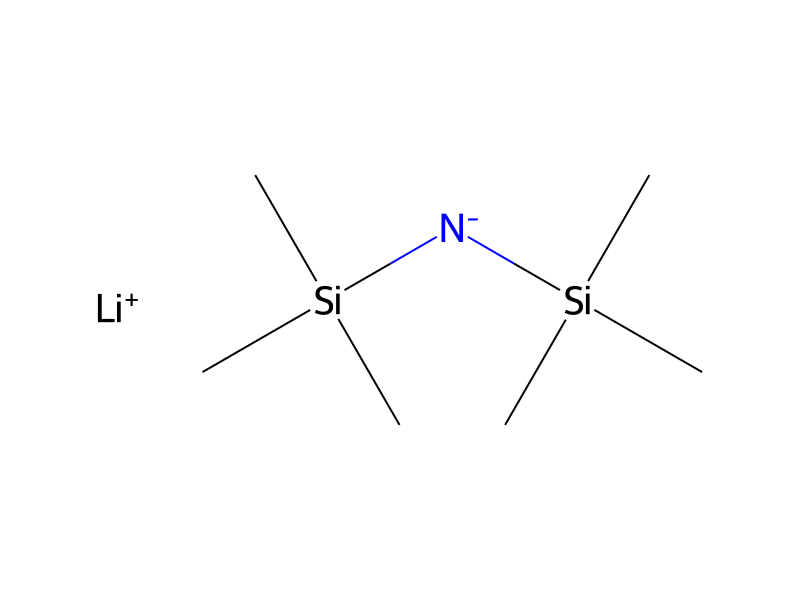
To a solution of 2-(1H-pyrazol-3-yl)-1H-isoindole-1,3(2H)-dione (for a preparation see Intermediate 28)(0.72 g, 3.38 mmol) in THF (20 ml) was added 1.0 M lithium bis(trimethylsilyl)amide in THF (3.5 ml, 3.50 mmol, Aldrich). The slight suspension was stirred for 30 min. To the yellow solution was added a solution of 1-(bromomethyl)-4-iodo-2-(trifluoromethyl)benzene (for a preparation see within Example 73)(1.24 g, 3.40 mmol) in THF (10 ml). The resulting yellow solution was stirred at ambient temperature under nitrogen overnight. The solvent was removed in vacuo and the residue partitioned between DCM (100 ml) and water (100 ml). To aid the separation, brine (50 ml) and dilute hydrochloric acid (25 ml) were added. The phases were separated and the aqueous phase washed with dichloromethane (50 ml). The organic phases were combined, dried (MgSO4), filtered and the solvent removed in vacuo to leave 2-(1-{[4-iodo-2-(trifluoromethyl)phenyl]methyl}-1H-pyrazol-3-yl)-1H-isoindole-1,3(2H)-dione as an orange solid (1.7 g).