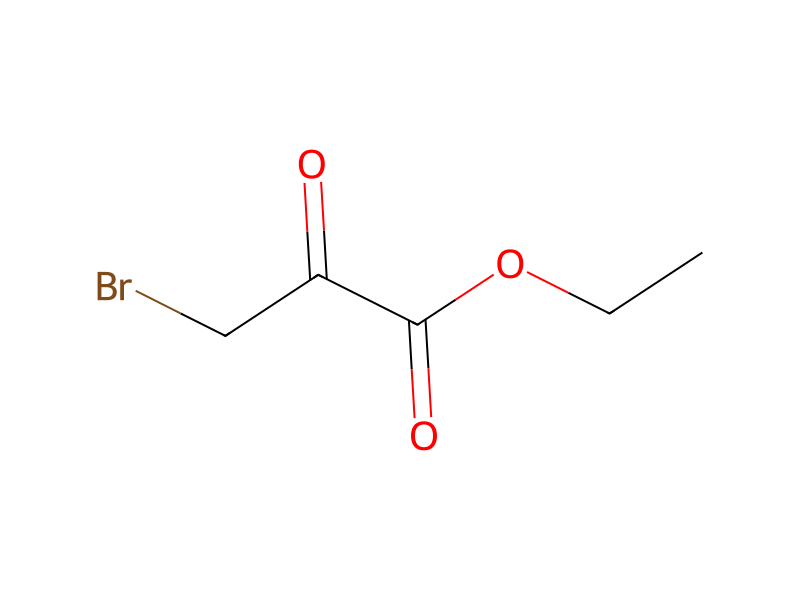
3-Bromo-2-oxo-propionic acid ethyl ester (0.090 mL, 0.72 mmol) was added to a mixture of 5-tosyl-5H-pyrrolo[3,2-b]pyrazin-2-amine (0.180 g, 0.624 mmol, prepared using E from Example #3 Step E and HCl) and 1,4-dioxane (3.5 mL) under nitrogen. After about 3 days, the volatiles were removed under reduced pressure. The residue was slurried in Et2O (5 mL) and then filtered to afford a tan powder. The solid was slurried in MeCN (3.50 mL) under nitrogen. PFPAA (0.40 mL, 2.1 mmol) was added. After about 30 min, the volatiles were removed under reduced pressure. The residue was dissolved in DCM (20 mL) and washed with saturated aqueous NaHCO3/water (2:1, 20 mL). The aqueous layer was extracted with DCM (20 mL). The combined organics were dried over anhydrous Na2SO4, filtered, and concentrated under reduced pressure. The residue was purified by silica gel chromatography eluting with a gradient of 20-100% EtOAc/heptane to afford ethyl 3-tosyl-3H-imidazo[1,2-a]pyrrolo[2,3-e]pyrazine-7-carboxylate (0.181 g, 75%): LC/MS (Table 1, Method n) Rt=0.70 min; MS m/z: 385 (M+H)+.