反応式

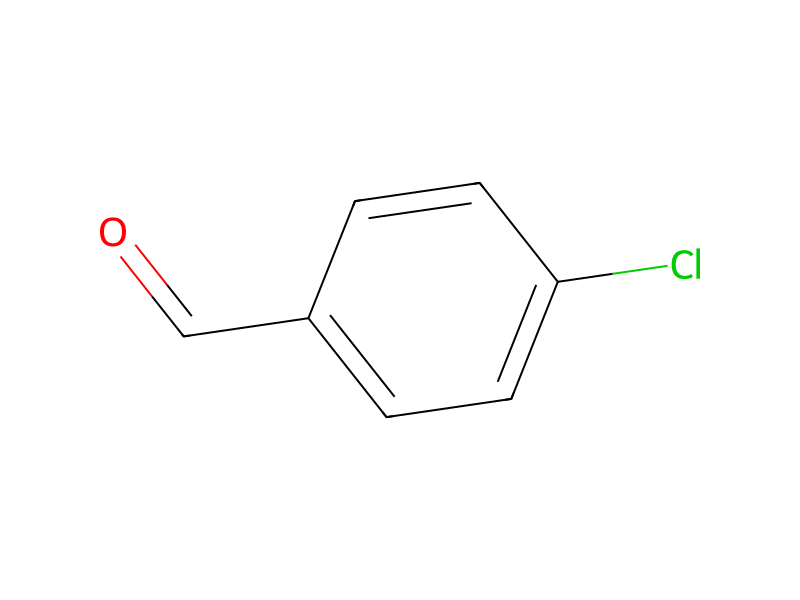
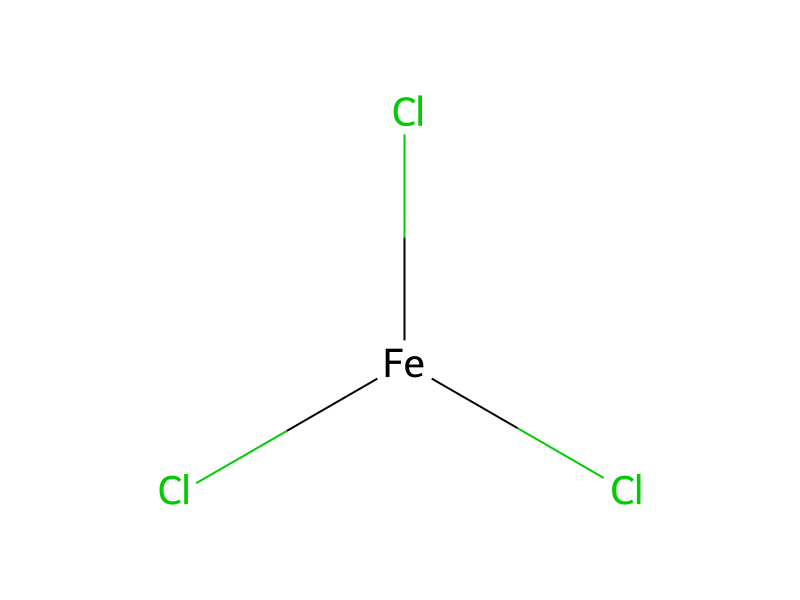
[Cl:1][C:2]1[CH:9]=[CH:8][C:5]([CH:6]=[O:7])=[CH:4][CH:3]=1>[Fe](Cl)(Cl)Cl>[Cl:1][C:2]1[CH:9]=[CH:8][C:5]([C:6]([C:6]([C:5]2[CH:8]=[CH:9][C:2]([Cl:1])=[CH:3][CH:4]=2)=[O:7])=[O:7])=[CH:4][CH:3]=1参加物

実験手順
FIG. 5 shows the synthetic route for the chlorophenyl-substituted precursor polymer (Cl-DP-PPV) 19. See H. V. Huynh et al., Organometallics 27, 2231 (2008); X. Jing et al., Synth. Commun. 39, 492 (2009); and W. C. Wan et al., Macromolecules 30, 6567 (1997). As an example, commercially available benzimidazole 10 was reacted with two equivalents of octyl bromide to produce the benzimidazolium salt 11 in 46% yield, which was used as a condensation catalyst in the following reaction. Coupling 4-chlorobenzaldehyde 12 in the presence of the condensation catalyst 11 under basic aqueous conditions followed by oxidation with iron trichloride produced 4,4′-dichlorobenzil 13 in 69% yield. The benzil derivative 13 was then condensed with diethyl 1,3-acetonedicarboxylate to afford the cyclopentanone derivative 14 in 64% yield. A Diels-Alder reaction with norbornadiene produced the terephthalate derivative 15 in 89% yield. Reduction of hindered diesters is typically carried out using LiAlH4; however, a complex mixture of products was obtained as a result of the partial reduction of the phenyl chlorines. Better results were obtained with LiBH4, which produced the desired diol 16 in 93% yield, but required long (36 h) reaction times. The monomer 17 was obtained in 95% yield after stirring the diol 16 in thionyl chloride for 16 h. The chlorophenyl-substituted precursor polymer 18 was afforded in 37% yield by reaction of the monomer 17 with 1 equivalent of t-BuOK. The fully conjugated polymer 19 can be prepared by heating the precursor polymer to high temperatures.
後処理
- customwas used as a condensation catalyst in the following reaction
出典と根拠
- ORDレコード
- ord-d9765bec45b04acfbe1b82671129a206
- 出典データセット
- uspto-grants-2013_04
- 特許番号
- US08427809B1
関連ノート
読み込み中…