反応式

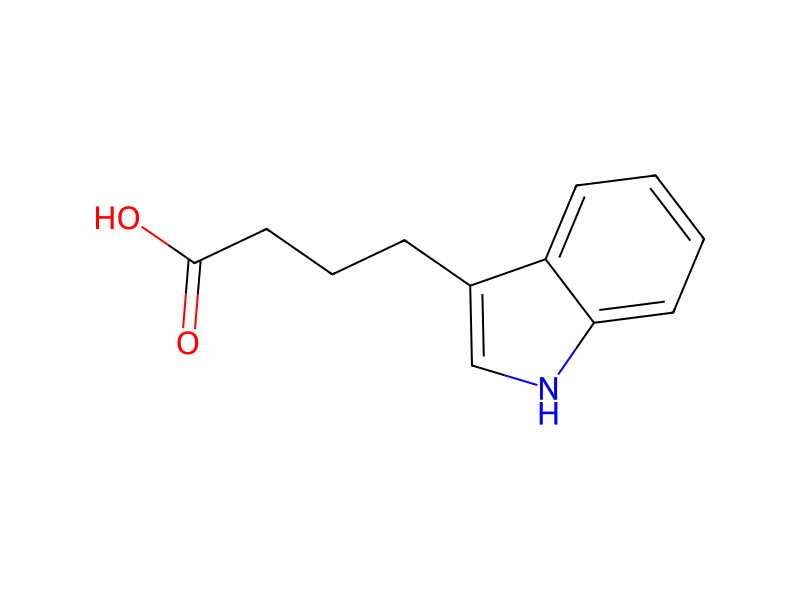
[NH:1]1[C:9]2[C:4](=[CH:5][CH:6]=[CH:7][CH:8]=2)[C:3]([CH2:10][CH2:11][CH2:12][C:13]([OH:15])=[O:14])=[CH:2]1.C(=O)([O-])[O-].[K+].[K+].[CH2:22](Br)[C:23]1[CH:28]=[CH:27][CH:26]=[CH:25][CH:24]=1.Cl>CN(C)C=O>[NH:1]1[C:9]2[C:4](=[CH:5][CH:6]=[CH:7][CH:8]=2)[C:3]([CH2:10][CH2:11][CH2:12][C:13]([O:15][CH2:22][C:23]2[CH:28]=[CH:27][CH:26]=[CH:25][CH:24]=2)=[O:14])=[CH:2]1参加物
6





実験手順
To a solution of 3-indolebutyric acid (25 g) and potassium carbonate (20 g) in dimethylformamide (150 ml) was added benzylbromide (21 g) at room temperature. After stirring for 4 hours, the mixture was poured into ice and diluted hydrochloric acid (300 ml). The organic layer was extracted with ethyl acetate (150 ml), and the extract was washed with water (150 ml×3) and dried over magnesium sulfate. After the solvent was removed in vacuo, the residue was crystallized from n-hexane to give a solid of benzyl 4-(3-indolyl)butyrate (33.9 g).
後処理
- extractionThe organic layer was extracted with ethyl acetate (150 ml)
- washthe extract was washed with water (150 ml×3)
- dry with materialdried over magnesium sulfate
- customAfter the solvent was removed in vacuo
- customthe residue was crystallized from n-hexane
出典と根拠
- ORDレコード
- ord-0a00b4a574234698b32465914e367558
- 出典データセット
- uspto-grants-1994_02
- 特許番号
- US05283251
関連ノート
読み込み中…