Dioctylamine → Dioctylamine
反応式

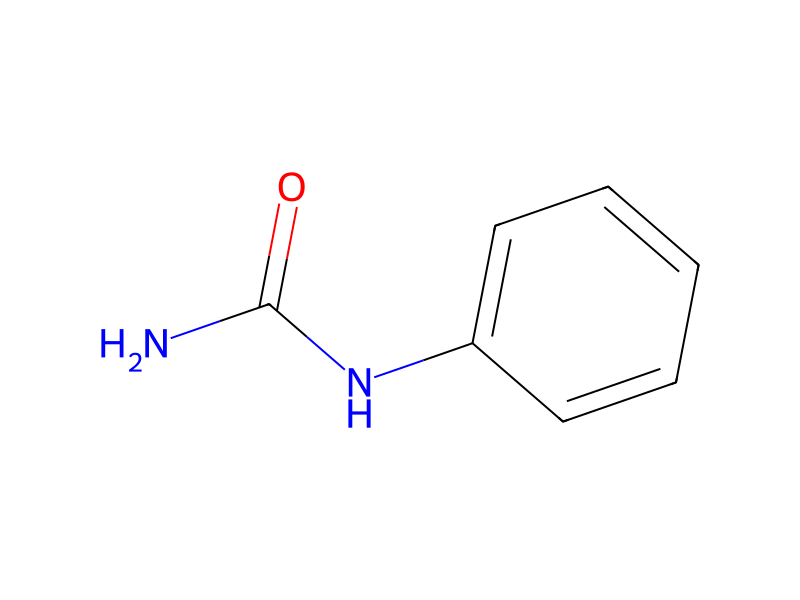
[C:1]1([NH:7][C:8]([NH2:10])=[O:9])[CH:6]=[CH:5][CH:4]=[CH:3][CH:2]=1.[CH2:11]([NH:19][CH2:20][CH2:21][CH2:22][CH2:23][CH2:24][CH2:25][CH2:26][CH3:27])[CH2:12][CH2:13][CH2:14][CH2:15][CH2:16][CH2:17][CH3:18]>C1(C)C(C)=CC=CC=1>[CH2:20]([NH:19][CH2:11][CH2:12][CH2:13][CH2:14][CH2:15][CH2:16][CH2:17][CH3:18])[CH2:21][CH2:22][CH2:23][CH2:24][CH2:25][CH2:26][CH3:27].[C:1]1([NH:7][C:8]([N:10]([CH2:11][CH2:12][CH2:13][CH2:14][CH2:15][CH2:16][CH2:17][CH3:18])[CH2:11][CH2:12][CH2:13][CH2:14][CH2:15][CH2:16][CH2:17][CH3:18])=[O:9])[CH:6]=[CH:5][CH:4]=[CH:3][CH:2]=1参加物
5



実験手順
Phenylurea and dioctylamine were heated in xylene, with vigorous stirring, under various conditions. Samples were withdrawn from the mixture after specific reaction times, the solvent was evaporated from each of the samples at 65° C. in vacuo and the residue was taken up in CDCl3, in which phenylurea is virtually insoluble and in which N-phenyl-N',N'-dioctylurea and dioctylamine on the other hand are completely soluble. The precipitated phenylurea was filtered off and a 1H-NMR spectrum of the filtrate was prepared. The particular molar ratio of dioctylamine to the N-phenyl-N',N'-dioctylurea formed was determined by integrating the signals from the --N--CH2 protons of the dioctylamine (2.75 ppm) and the N-phenyl-N',N'-dioctylurea formed (3.28 ppm), from which was derived the degree of conversion.