フェニル尿素
Phenylurea
データを補完しています。しばらくしてからページを更新すると最新の内容を表示できます
基本情報
- CAS
64-10-8- 標準SMILES
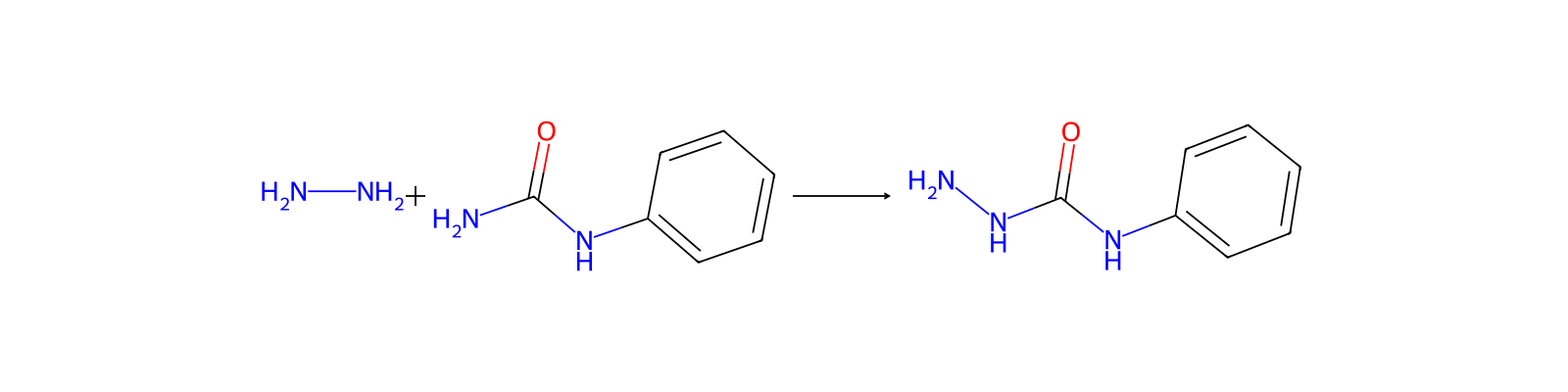
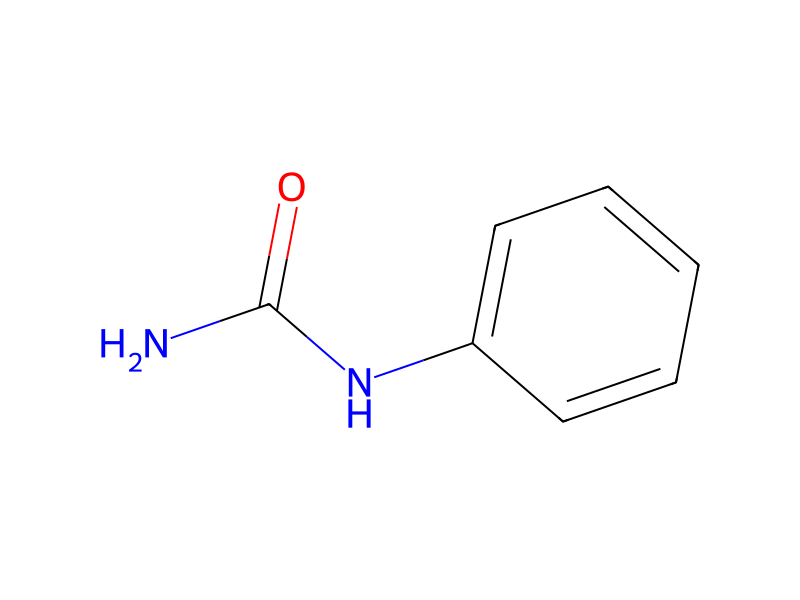
NC(=O)Nc1ccccc1- InChIKey
LUBJCRLGQSPQNN-UHFFFAOYSA-N- 分子式
- C7H8N2O
- 平均分子量
- 136.15 g/mol
- 単同位体質量
- 136.06366288
概要
Phenyl urea pesticide, liquid, poisonous appears as a liquid dissolved or suspended in a liquid carrier. Contains any of several related compounds (Diuron, Fenuron, Linuron, Neburon, Siduron, Monuron) formally derived from urea. Carrier is water emulsifiable. Toxic by inhalation, skin absorption, or ingestion. Obtain the technical name of the specific pesticide and carrier from the shipping papers and contact CHEMTREC, 800-424-9300 for response information.
名称と識別子
- 優先名称
- Phenylurea
- IUPAC
- phenylurea
- 現地名
- フェニル尿素
- 英語名
- Phenylurea
- 分子式
- C7H8N2O
- 分子量
- 136.15
名称と別名
1-PhenylureaPHENYLUREAN-Phenylurea64-10-8PhenylcarbamideMonophenylureaUrea, N-phenyl-amino-N-phenylamideDTXSID8042507NSC-2781862I85399WDTXCID6022507
名称をさらに表示
フェニル尿素安定剤VH(フェニルアミノ)ホルムアミド1-フェニル尿素スタビリサトールVHN-フェニル尿素フェニルカルバミドN1-フェニル尿素フェニル尿素, 97%VHphenyl-urestabilizervhUrea,phenyl-AKOS B029810
RefChem:164121200-576-5Urea, phenyl-Stabilizer VHStabilisator VHPhenyl-ureaN-phenylcarbamimidic acidphenyl urea
データベース識別子
- CAS
64-10-8- PubChem CID
- 6145
- DTXSID
DTXSID8042507- ChEMBL
CHEMBL168445- ChEBI
CHEBI:180992- UNII
- 862I85399W
- EC Number
- 200-576-5
- Nikkaji
- J4.834H
物性
構造計算による物性補完中
- XLogP
- 0.8
- 極性表面積
- 55.1 Ų
- 水素結合供与体数
- 2
- 水素結合受容体数
- 1
- 回転可能結合数
- 1
- 重原子数
- 10
- 形式電荷
- 0
- 複雑度
- 119
実験および物理化学的性質
SpringerMaterials Properties15N nuclear magnetic resonance spectrum
LogP0.83
Physical Description
Phenyl urea pesticide, liquid, poisonous appears as a liquid dissolved or suspended in a liquid carrier. Contains any of several related compounds (Diuron, Fenuron, Linuron, Neburon, Siduron, Monuron) formally derived from urea. Carrier is water emulsifiable. Toxic by inhalation, skin absorption, or ingestion. Obtain the technical name of the specific pesticide and carrier from the shipping papers and contact CHEMTREC, 800-424-9300 for response information.
物理化学的性質
- 融点
- 145 · 145-147 °C(lit.)
- 沸点
- 238 °C · 238 °C
- 比重(密度)
- 1 · 1,302 g/cm3
- 蒸気密度
- 1 · >1 (vs air)
- 屈折率
- 1.5769 · 1.5769 (estimate)
- 闪点
- 238 °C · 238°C
- 貯蔵温度
- Keep in dark place,Sealed in dry,Room Temperature
- 溶解性
- 2 O: · H2O: 10 mg/mL、透明
- 酸解離定数(Pka)
- 13.37 · 13.37±0.50(Predicted)
安全と法規制
安全情報は参考情報です。供給元の安全データシート(SDS)、適用法令、専門家による評価に代わるものではありません。
GHS分類
GHS Classification
Warning
H302 (100%): Harmful if swallowed [Warning Acute toxicity, oral]
P264, P270, P301+P317, P330, and P501 (click each P-code to see the statement)
Aggregated GHS information provided per 47 reports by companies from 3 notifications to the ECHA C&L Inventory.
危険有害性情報
Regulatory Information
Chemical: Urea, N-phenyl-
Phenylurea: Does not have an individual approval but may be used under an appropriate group standard
DOT LabelPoison
Fire HazardsExcerpt from ERG Guide 151 [Substances - Toxic (Non-Combustible)]:
Health HazardsExcerpt from ERG Guide 151 [Substances - Toxic (Non-Combustible)]:
Reactive GroupAmides and Imides
Reactivity Profile
Organic amides/imides react with azo and diazo compounds to generate toxic gases. Flammable gases are formed by the reaction of organic amides/imides with strong reducing agents. Amides are very weak bases (weaker than water). Imides are less basic yet and in fact react with strong bases to form salts. That is, they can react as acids. Mixing amides with dehydrating agents such as P2O5 or SOCl2 generates the corresponding nitrile. The combustion of these compounds generates mixed oxides of nitrogen (NOx). Contains any of several related compounds (Diuron, Fenuron, Linuron, Neburon, Siduron, Monuron) formally derived from urea.
Air and Water ReactionsNo rapid reaction with air. No rapid reaction with water.
Hazard Classes and Categories
化学と産業
用途と製造
General Manufacturing InformationUrea, N-phenyl-: ACTIVE
応用分野
使用Phenylureas are commonly used soil-applied herbicides for control of grass and small-seeded broadleaf weeds.
一般的な説明Phenylurea is the core structural unit of phenylurea herbicides (PUHs), such as diuron, fenuron, linuron, monuron, isoproturon, monolinuron and chlortoluron. As photosynthesis inhibitors, phenylurea herbicides are widely used in various crops for the pre-emergence and post-emergence control of broadleaf and annual weeds. These herbicides are used on major food crops, including maize (Zea mays) and tomato (Solanum lycopersicum), to control weeds such as lamb’s quarters (Chenopodium album), amaranth (Amaranthus spp.) and barnyard grass (Echinochloa crus-galli)[1].
調製方法
製造方法Phenylurea is synthesized by the reaction of aniline and urea. Put urea, hydrochloric acid and aniline into the reaction pot, heat and stir, reflux at 100-104°C for 1 hour, add water and stir, cool, filter, wash the filter cake with water, and dry to obtain the finished product of phenylurea.
純化方法Crystallise the urea from boiling water (10mL/g) or amyl alcohol (m 149o). Dry it in a steam oven at 100o. The 1:1 resorcinol complex has m 115o (from EtOAc/*C6H6). [Beilstein 12 H 346, 12 II 204, 12 III 760, 12 IV 734.]
上流・下流製品情報
下流製品
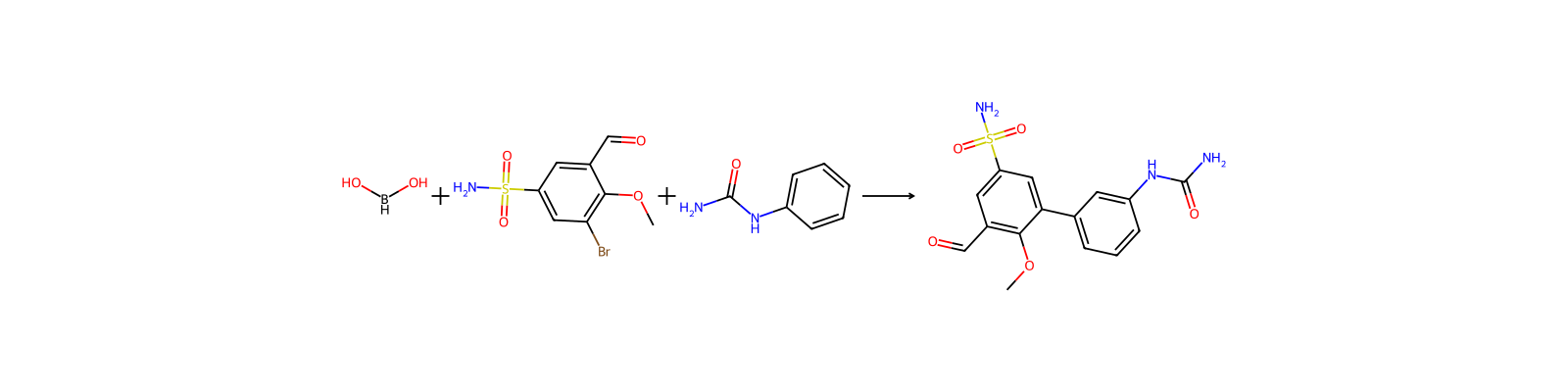
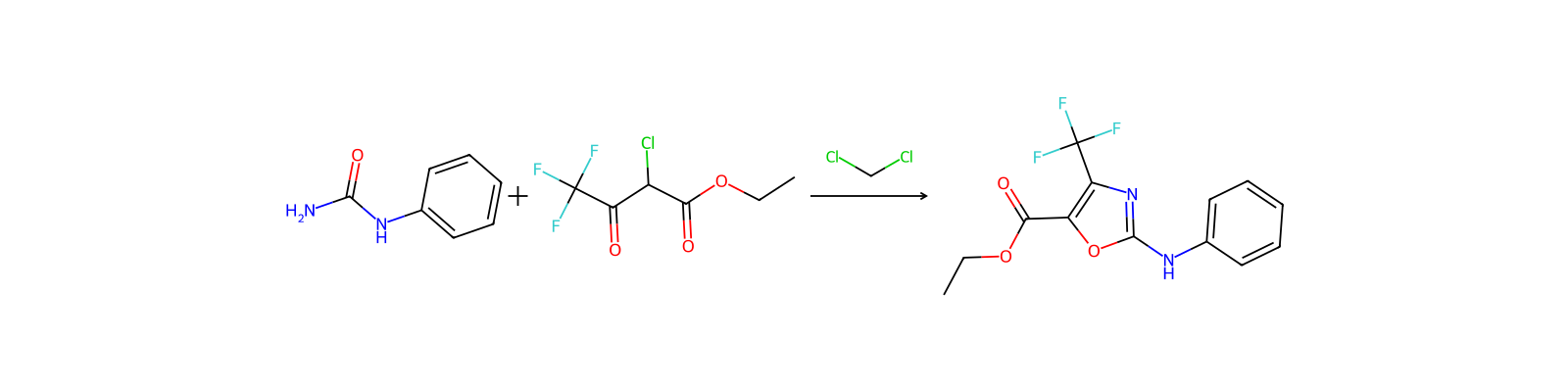
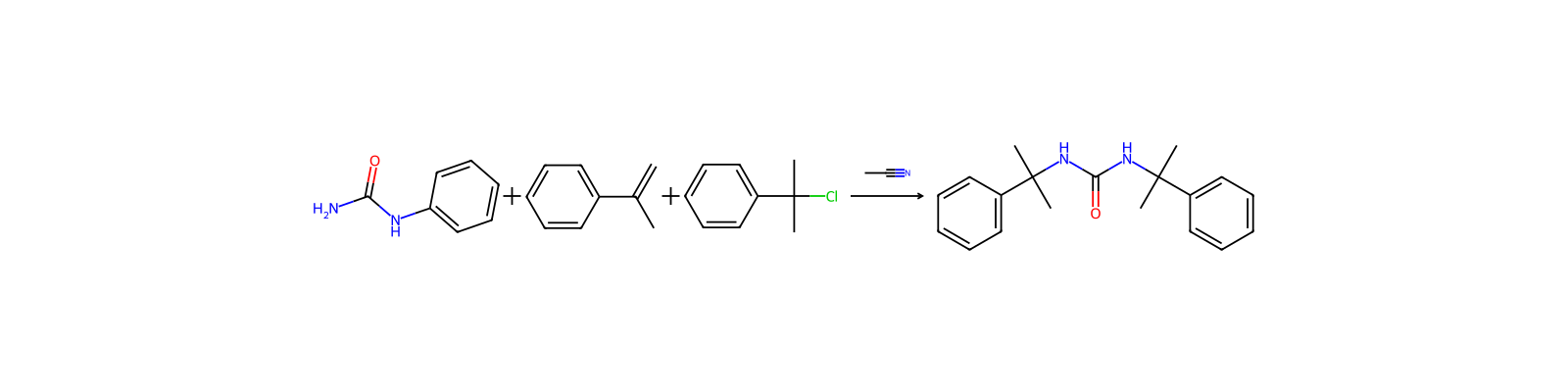
関連反応
58 件



化合物ノート
読み込み中…