反応式

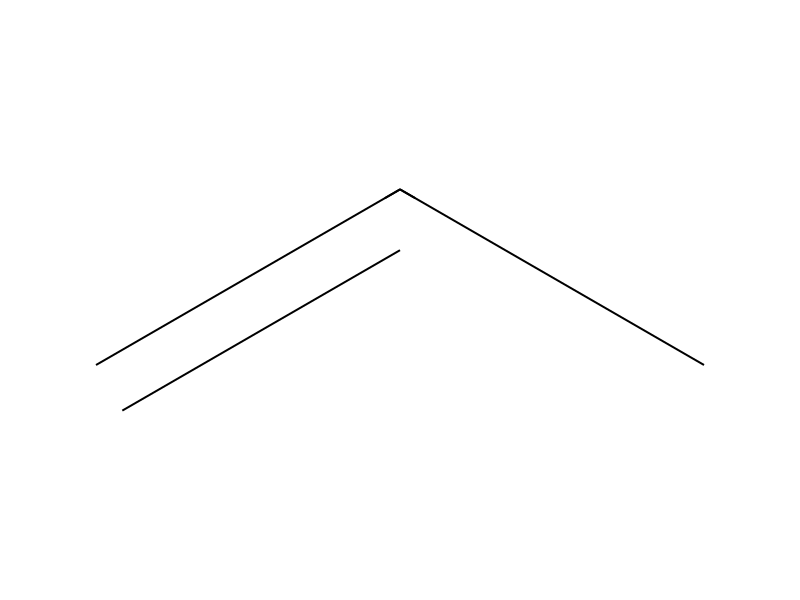
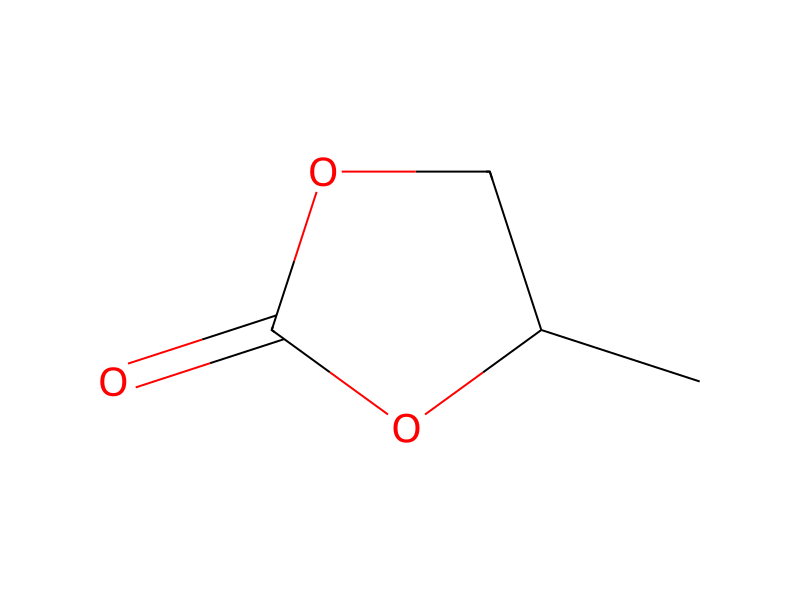
O.[CH2:2]=[CH:3][CH3:4].[C:5](=[O:7])=[O:6].[Cl-].Cl.[CH2:10]1[O:13][CH:11]1[CH3:12].Cl.[OH-].[Na+]>C(C(C)=O)C>[CH2:10]1[O:13][CH:11]1[CH3:12].[CH3:10][C:11]([CH3:12])=[O:13].[C:5]1(=[O:13])[O:7][CH:3]([CH3:4])[CH2:2][O:6]1参加物








反応条件
- 温度
- -78 °C
実験手順
4.0 g thallic oxide (8.8 mmoles) and 30 g water (1.7 moles) were added to a 300 cc Autoclave Engineers stainless steel Magnedrive Autoclave. The autoclave was cooled to -78° C. and 40 g propylene (0.95 mole) and 100 g carbon dioxide (2.3 mole) were introduced. The autoclave was then heated to 100° C. for 1.0 hour to reach a total pressure of 196.8 kg/cm2. The autoclave volatiles were then vented into a methyl ethyl ketone solution followed by a 0.10 M megnesium chloride-hydrochloric acid scrubber which trapped the propylene oxide. The excess hydrochloric acid was titrated with 0.10 M sodium hydroxide. The organics remaining in the aqueous solution were measured by standard gas chromatographic techniques. The analysis showed 1.01 mmoles propylene oxide (48% yield), 0.71 mmoles acetone (34% yield) and 0.10 mmoles propylene carbonate (5% yield). 2.1 mmoles of thallous bicarbonate (24% conversion) were detected in the water solution by atomic absorption techniques. The pH of the solution was measured to be 8.1. The yields of oxidized propylene products in this and the following examples are based on the thallic compounds reduced to the thallous state. The conversions of thallic reduction to thallous are based on the starting quantity of thallic compound.
後処理
- temperatureThe autoclave was then heated to 100° C. for 1.0 hour
出典と根拠
- ORDレコード
- ord-2e776b22802444ce9da4692ac97d9664
- 出典データセット
- uspto-grants-1984_11
- 特許番号
- US04483996
関連ノート
読み込み中…