反応式
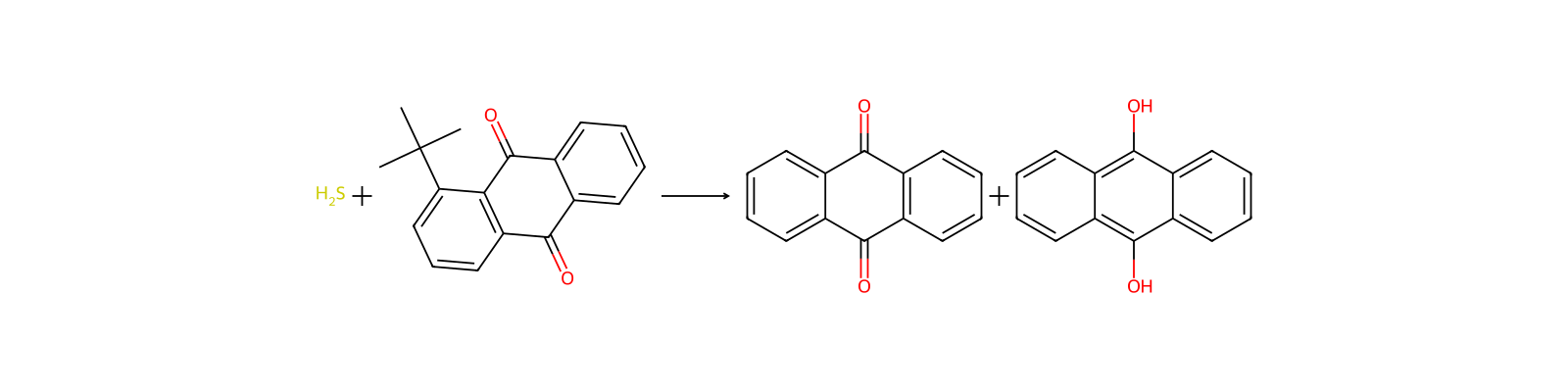
S.C([C:6]1[C:19]2[C:18](=[O:20])[C:17]3[C:12](=[CH:13][CH:14]=[CH:15][CH:16]=3)[C:11](=[O:21])[C:10]=2[CH:9]=[CH:8][CH:7]=1)(C)(C)C>>[CH:13]1[C:12]2[C:11](=[O:21])[C:10]3[C:19](=[CH:6][CH:7]=[CH:8][CH:9]=3)[C:18](=[O:20])[C:17]=2[CH:16]=[CH:15][CH:14]=1.[CH:15]1[CH:16]=[C:17]2[C:18]([OH:20])=[C:19]3[C:10](=[C:11]([OH:21])[C:12]2=[CH:13][CH:14]=1)[CH:9]=[CH:8][CH:7]=[CH:6]3参加物
4

実験手順
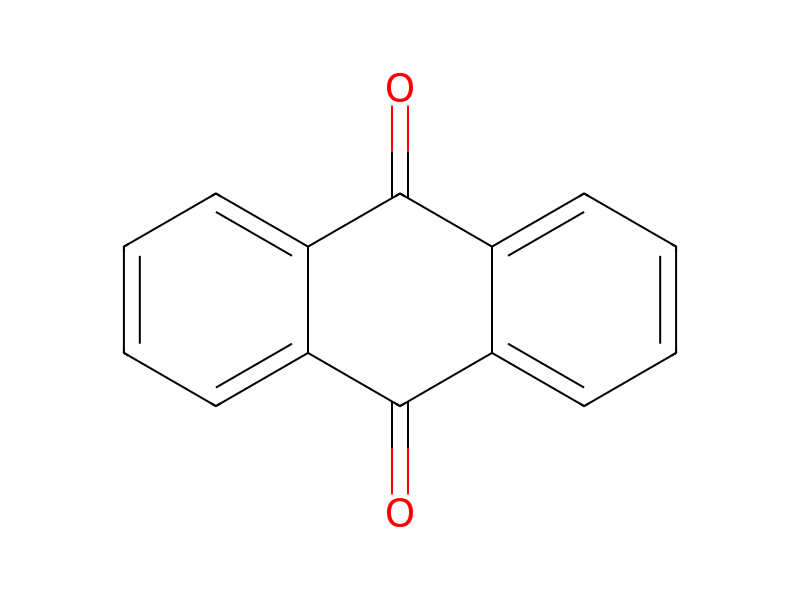
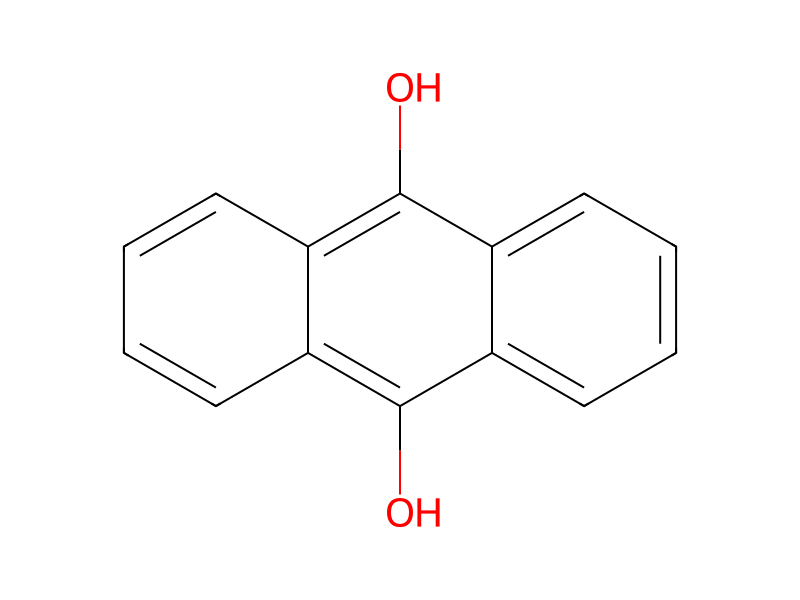
H2S and t-butyl anthraquinone are dissolved in several solvents. They are then reacted in the H2S reactor at optimum conditions to determine which combination of reactants and solvents yields the greatest conversion of anthraquinone to anthrahydroquinone. The results are set forth in Table 1 below.
出典と根拠
- ORDレコード
- ord-8b99a374a52d4912b8f4a1b042f58312
- 出典データセット
- uspto-grants-1986_06
- 特許番号
- US04592905
関連ノート
読み込み中…