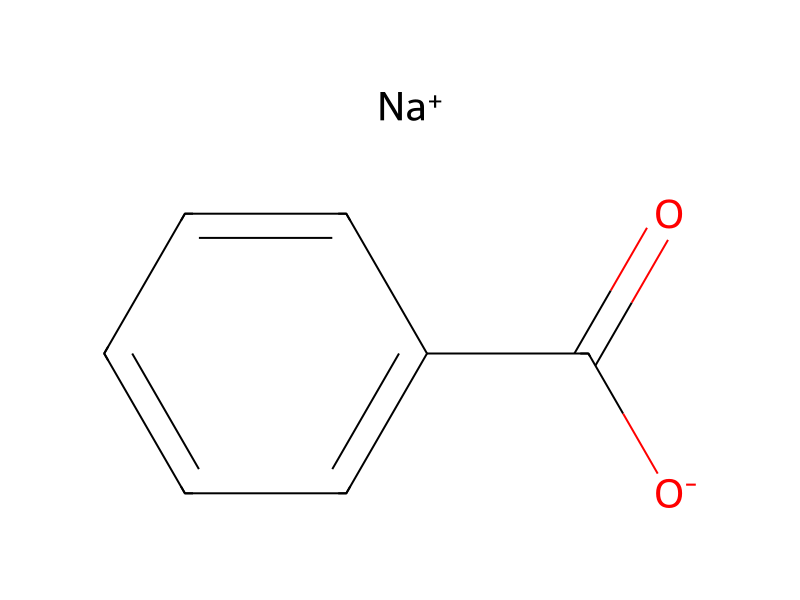
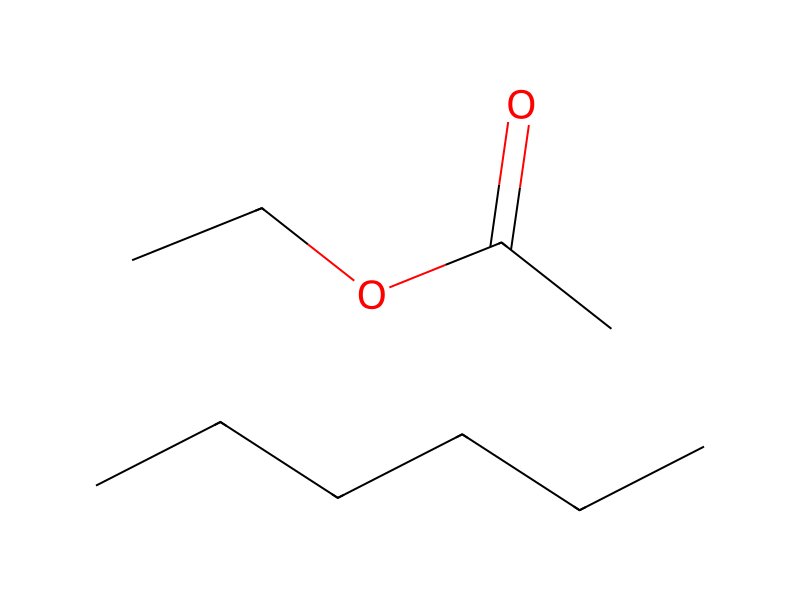
[C:1]([O-:9])(=[O:8])[C:2]1[CH:7]=[CH:6][CH:5]=[CH:4][CH:3]=1.[Na+].Cl[CH2:12][C:13]([CH2:15][C:16](=[O:18])[CH3:17])=[O:14].CCCCCC.C(OCC)(=O)C>CS(C)=O.O>[C:13]([CH:15]([O:8][C:1](=[O:9])[C:2]1[CH:7]=[CH:6][CH:5]=[CH:4][CH:3]=1)[C:16](=[O:18])[CH3:17])(=[O:14])[CH3:12]Sodium benzoate (106.5 g, 0.74 mol) is suspended in 500 ml of dry DMSO in a three necked flask equipped with a mechanical stirrer and under a gentle stream of argon. Chloroacetylacetone (50 g, 0.37 mol) is then added and the resulting orange mixture is stirred vigorously. After 3 hours the reaction is complete (TLC hexane/ethyl acetate 8/2); the melange is cooled by means of iced water and diluted with 500 ml of water. The solution is then extracted into ether (3×400 ml), washed with water (2×1 L), dried over Na2SO4 and concentrated to dryness in vacuo. The resulting viscous orange oil is pure enough for the next step. The yield is 81.4 g (100%).