Ethanol → HCID 20488241、化合物
反応式

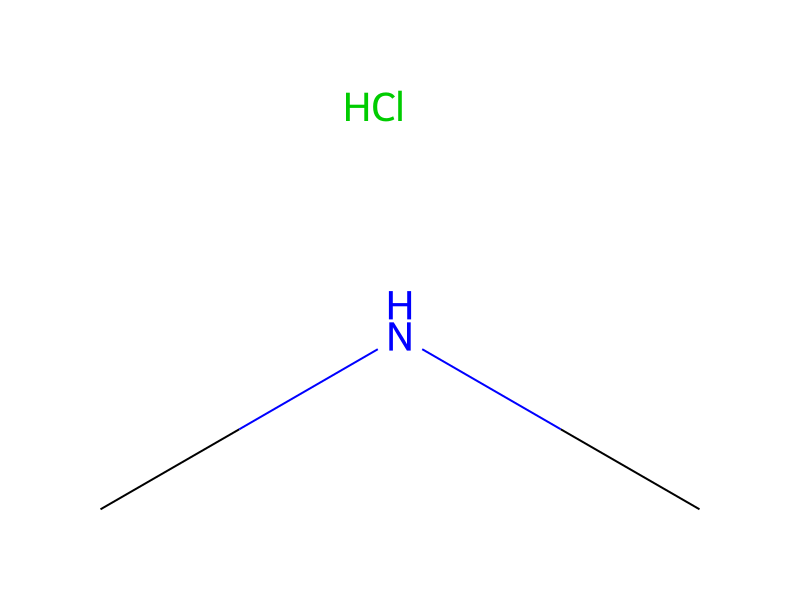
[CH2:1]([N:8]1[C:13](=[O:14])[CH2:12][CH2:11][C:10]([C:15]2[CH:20]=[CH:19][CH:18]=[CH:17][CH:16]=2)=[N:9]1)[C:2]1[CH:7]=[CH:6][CH:5]=[CH:4][CH:3]=1.Cl.[CH3:22][NH:23][CH3:24].[CH2:25](O)C>>[CH2:1]([N:8]1[C:13](=[O:14])[CH:12]([CH2:22][N:23]([CH3:25])[CH3:24])[CH2:11][C:10]([C:15]2[CH:20]=[CH:19][CH:18]=[CH:17][CH:16]=2)=[N:9]1)[C:2]1[CH:3]=[CH:4][CH:5]=[CH:6][CH:7]=1参加物
4



実験手順
A mixture of 2-benzyl-6-phenyl-4,5-dihydro-3(2H)-pyridazinone (23.9 g) paraformaldehyde (5.0 g), and dimethylamine hydrochloride (8.0 g) in 200 ml of ethanol is heated under reflux for 4 hours. The ethanol is removed by distillation on the rotary evaporator and the residue is rendered basic with ammonium hydroxide solution. This is extracted with dichloromethane. The dichloromethane is concentrated on the rotary evaporator and the residue is chromatographed on silica gel with 2% methanol/chloroform to give 2-benzyl-4-(dimethylaminomethyl)-6-phenyl-4,5-dihydro3(2H)-pyridazinone. This is dissolved in 500 ml of methanol and catalytically hydrogenated at 3 atmospheres pressure over 5% paladium on charcoal. The catalyst is removed by filtration and the methanol is concentrated to give 4-(dimethylaminomethyl)-6-phenyl-4,5-dihydro-3(2H)-pyridazinone. This compound is treated with bromine in acetic acid according to the procedure of Example 1 to give 4-(dimethylaminomethyl)-6-phenyl-3(2H)-pyridazinone.