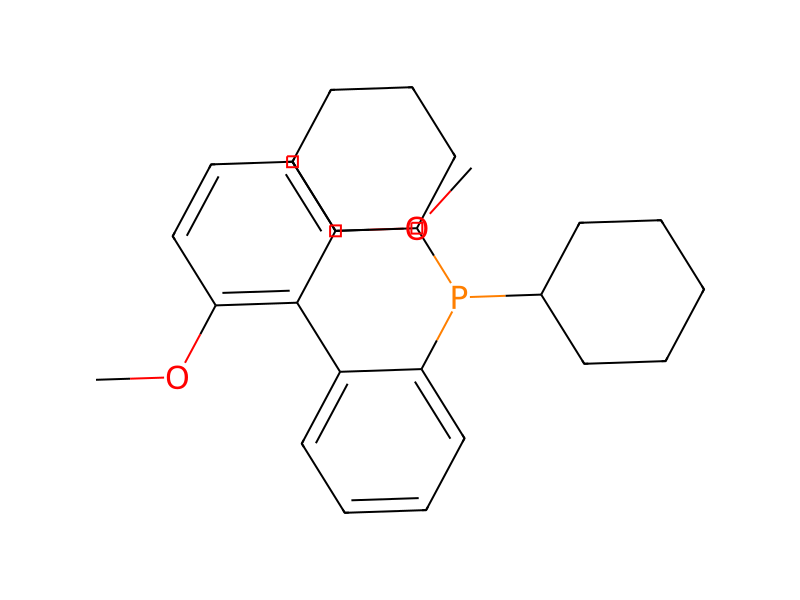
Br[C:2]1[CH:11]=[CH:10][C:5]([C:6]([O:8][CH3:9])=[O:7])=[CH:4][N:3]=1.[O:12]1[C:16]2([CH2:21][CH2:20][C:19](B(O)O)=[CH:18][CH2:17]2)[O:15][CH2:14][CH2:13]1.C1(P(C2CCCCC2)C2C=CC=CC=2C2C(OC)=CC=CC=2OC)CCCCC1.P([O-])([O-])([O-])=O.[K+].[K+].[K+]>C([O-])(=O)C.[Pd+2].C([O-])(=O)C.O.O1CCOCC1>[O:12]1[C:16]2([CH2:21][CH2:20][C:19]([C:2]3[CH:11]=[CH:10][C:5]([C:6]([O:8][CH3:9])=[O:7])=[CH:4][N:3]=3)=[CH:18][CH2:17]2)[O:15][CH2:14][CH2:13]1Methyl 6-bromonicotinate (2.11 g, 9.78 mmol), 1,4-dioxaspiro[4,5]dec-7-en-8-ylboronic acid (2 g, 10.86 mmol), palladium(II) acetate (109 mg, 0.48 mmol), dicyclohexyl(2′,6′-dimethoxybiphenyl-2-yl)phosphine (0.40 g, 0.97 mmol) and potassium phosphate (6.2 g, 29.1 mmol) were placed in a Schlenk tube and the tube was placed under vacuum and filled with argon. Dioxane (30 mL) and water (4 mL) were added and the tube was heated (80° C.) overnight. The mixture was partitioned with ether and water and the organic phase was washed with brine, dried (magnesium sulfate), filtered and evaporated. The residue was purified by silica gel chromatography using 30% ethyl acetate in hexanes to provide the title compound as a slightly yellow oil, which solidified upon standing.