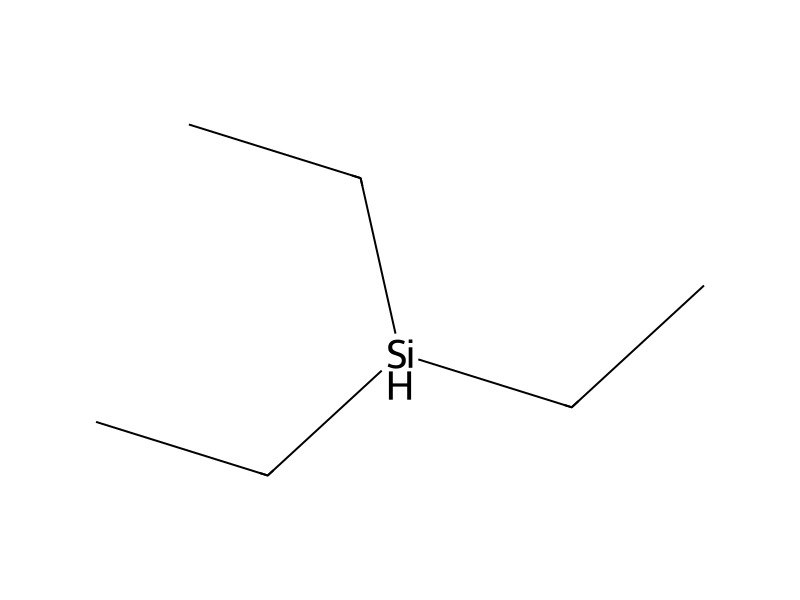
[F:1][C:2]([F:22])([F:21])[C:3]1[CH:4]=[C:5]([C:9]2[N:14]3[N:15]=[CH:16][C:17]([C:18]([NH2:20])=[O:19])=[C:13]3[NH:12][CH2:11][CH:10]=2)[CH:6]=[CH:7][CH:8]=1.C([SiH](CC)CC)C.[OH-].[K+]>FC(F)(F)C(O)=O>[F:21][C:2]([F:1])([F:22])[C:3]1[CH:4]=[C:5]([CH:9]2[N:14]3[N:15]=[CH:16][C:17]([C:18]([NH2:20])=[O:19])=[C:13]3[NH:12][CH2:11][CH2:10]2)[CH:6]=[CH:7][CH:8]=1A solution of 3.44 g of 4,5-dihydro-7-(3-trifluoromethyl)phenyl)pyrazolo(1,5-a)pyrimidine-3-carboxamide (Example 8) in 40 ml of trifluoroacetic acid is stirred under nitrogen and heated to 60° C. in an oil bath. Then 5.0 ml of triethylsilane is added and the mixture is stirred at 60° C. for 24 hours. The reaction mixture is cooled and carefully poured into a beaker containing a 25 percent aqueous solution of potassium hydroxide and cracked ice. The product which precipitates is extracted into chloroform, and the extract is washed with water, dried over anhydrous sodium sulfate and filtered. The filtrate is evaporated in vacuo to give crystals which are then recrystallized from toluene-hexane to give the desired product, mp 152-154° C.