Hydrazine hydrate (1:1) → 4-Benzoyl-2-nitrophenylhydrazine
HRID 2073238
反応式

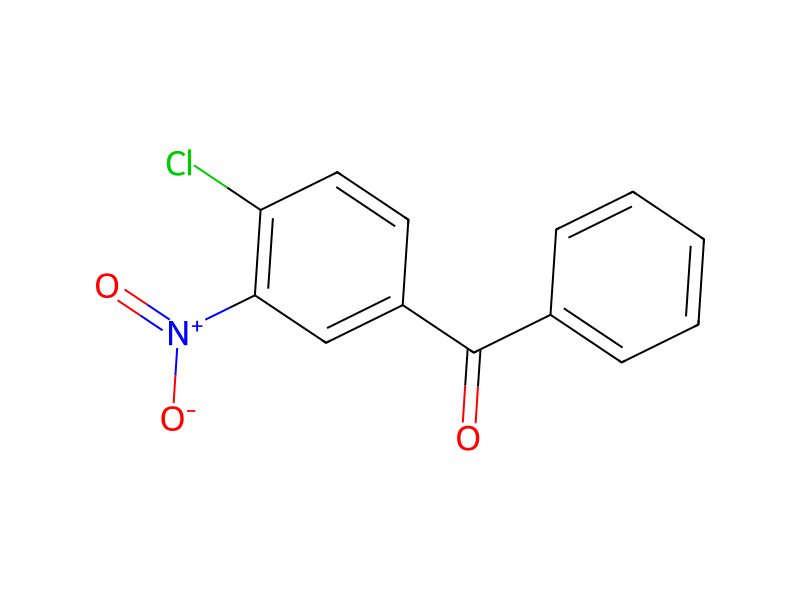
O.[NH2:2][NH2:3].Cl[C:5]1[CH:18]=[CH:17][C:8]([C:9]([C:11]2[CH:16]=[CH:15][CH:14]=[CH:13][CH:12]=2)=[O:10])=[CH:7][C:6]=1[N+:19]([O-:21])=[O:20]>C(O)C>[C:9]([C:8]1[CH:17]=[CH:18][C:5]([NH:2][NH2:3])=[C:6]([N+:19]([O-:21])=[O:20])[CH:7]=1)(=[O:10])[C:11]1[CH:16]=[CH:15][CH:14]=[CH:13][CH:12]=1参加物
4



実験手順
20 ml of hydrazine hydrate were added to the suspension of 52.33 g of 4-chloro-3-nitrobenzophenone in 200 ml of abs. ethanol under stirring. The reaction mixture was stirred at room temperature for 75 minutes, then slowly heated to the boiling point. After completion of the violent reaction, the mixture was refluxed for an additional 1 hour. After cooling down, the crystals were filtered by suction, thoroughly washed with water and dried at 80° C. Thus, 38.62 g (75%) of 4-benzoyl-2-nitrophenylhydrazine were obtained as orange-red crystals, m.p.: 163°-164° C.