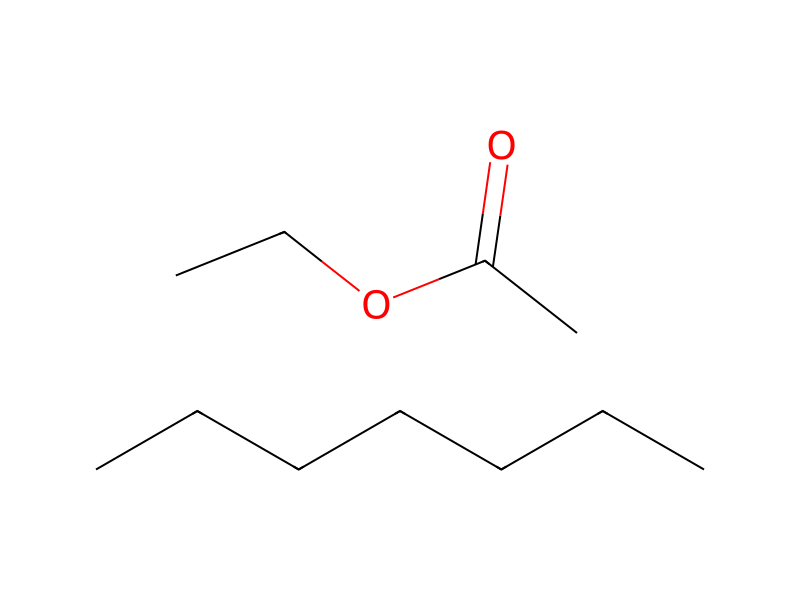
To a stirred solution of 1-benzyloxymethyl-6-methoxy-1H-benzoimidazole (1.00 g, 3.72 mmol, Example 2A) in anhydrous tetrahydrofuran (15 mL) at −78° C. under nitrogen is added n-butyllithium (1.80 mL of a 2.5 M solution in hexanes, 4.5 mmol) over 8 minutes and the resulting yellow solution is stirred a −78° C. After 25 minutes, a solution of 3-bromo-thiophene-2-carboxylic acid methoxy-methyl-amide (1.03 g, 4.12 mmol) in tetrahydrofuran (10 mL) is added over 20 minutes, to the reaction at −78° C. The reaction is allowed to gradually warm to ambient temperature overnight. The reaction is poured into 10% aqueous ammonium chloride (75 mL) and the mixture extracted twice with ethyl acetate (50 mL). The organic layer is washed with water and brine successively, dried over magnesium sulfate, and concentrated under reduced pressure to a yellow oil. The crude material is chromatographed on silica, eluting with 30% ethyl acetate/heptane followed by 40% ethyl acetate/heptane, to give a waxy solid. Trituration with 25% ethyl acetate/heptane afforded 546 mg (32%) of (1-benzyloxymethyl-6-methoxy-1H-benzoimidazol-2-yl)-(3-bromo-thiophen-2-yl)-methanone, as a powder: TLC Rf 0.43 (silica, 40% ethyl acetate/heptane); LC/MS: (M+H 457, RT=3.85 minutes); 1H NMR [(CD3)2SO), 300 MHz]: δ 8.14 (d, 5.2 Hz, 1H), 7.76 (d, 9.0 Hz, 1H), 7.36 (d, 5.0 Hz, 1H), 7.29-7.20 (m, 6H), 7.04 (dd, 2.5, 9.0 Hz, 1H), 6.13 (s, 2H), 4.59 (s, 2H), 3.87 (s, 3H).