反応式

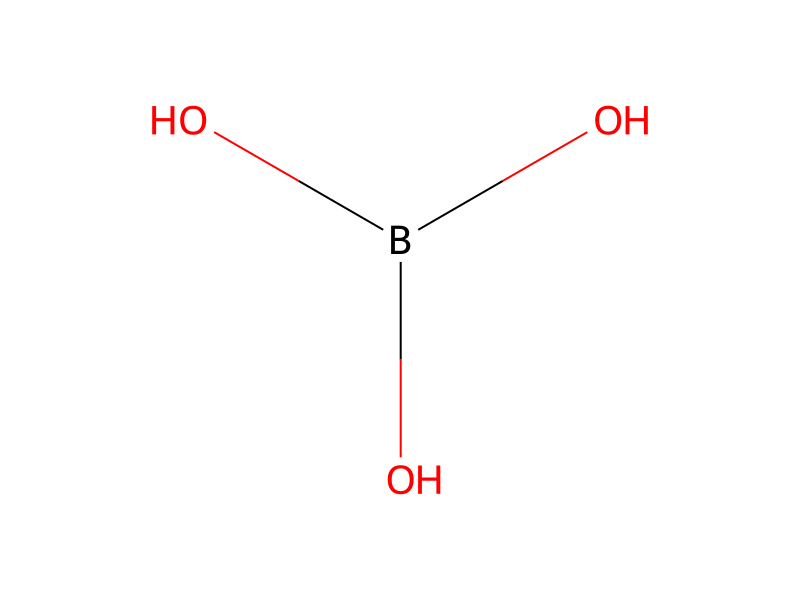
[C:1]([OH:5])(=[O:4])[CH:2]=[CH2:3].[NH2:6][C:7]1[C:20]2[C:19](=[O:21])[C:18]3[C:13](=[CH:14][CH:15]=[CH:16][CH:17]=3)[C:12](=[O:22])[C:11]=2[C:10]([NH2:23])=[C:9]([Cl:24])[C:8]=1[Cl:25].B(O)(O)O.S(=O)(=O)(O)O>>[C:1]([CH2:2][CH2:3][NH:23][C:10]1[C:11]2[C:12](=[O:22])[C:13]3[C:18](=[CH:17][CH:16]=[CH:15][CH:14]=3)[C:19](=[O:21])[C:20]=2[C:7]([NH:6][CH2:3][CH2:2][C:1]([OH:5])=[O:4])=[C:8]([Cl:25])[C:9]=1[Cl:24])([OH:5])=[O:4]参加物
5




実験手順
20 Parts of acrylic acid are gradually added to a mixture of 15.8 parts of 1,4-diamino-2,3-dichloroanthraquinone, 3.1 parts of boric acid and 100 parts of 100% sulphuric acid at 25°-30° C, and the mixture is then stirred for 60 hours at 25°-30°. The reaction mixture is then processed as described in Example 1 to give 21 parts (93%) of 1,4-bis(β-carboxyethylamino)-2,3-dichloroanthraquinone.
出典と根拠
- ORDレコード
- ord-eaf81ab889814be5b9def043bf21ff95
- 出典データセット
- uspto-grants-1978_04
- 特許番号
- US04086252
関連ノート
読み込み中…