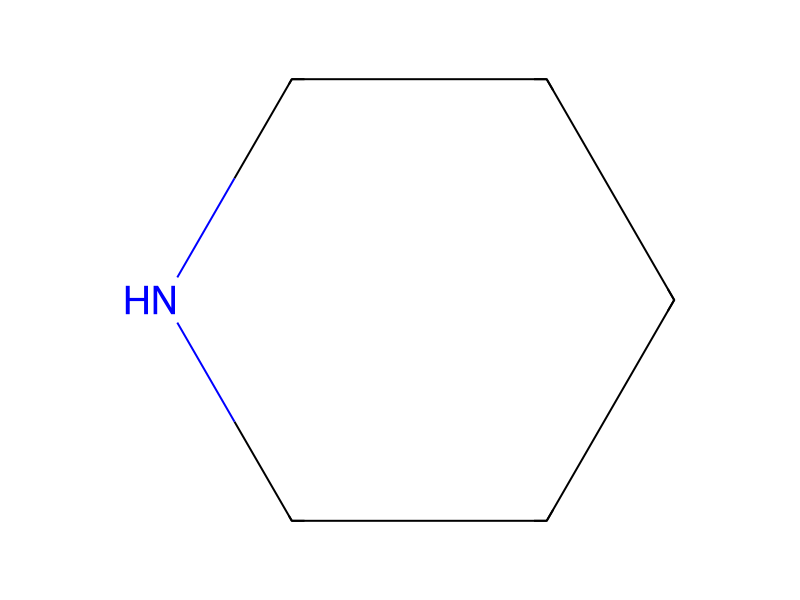
Piperidine → HCID 10150892、化合物
HRID 2099009
反応式

[F:1][CH2:2][CH2:3][N:4]1[CH2:9][CH2:8][N:7]([C:10]2[CH:17]=[CH:16][C:13]([CH:14]=O)=[C:12]([OH:18])[CH:11]=2)[CH2:6][CH2:5]1.C[O:20][C:21](=O)[CH2:22][C:23]1[S:24][C:25]2[CH:31]=[CH:30][CH:29]=[CH:28][C:26]=2[N:27]=1.N1CCCCC1>C1C=CC=CC=1.C(#N)C>[S:24]1[C:25]2[CH:31]=[CH:30][CH:29]=[CH:28][C:26]=2[N:27]=[C:23]1[C:22]1[C:21](=[O:20])[O:18][C:12]2[C:13]([CH:14]=1)=[CH:16][CH:17]=[C:10]([N:7]1[CH2:8][CH2:9][N:4]([CH2:3][CH2:2][F:1])[CH2:5][CH2:6]1)[CH:11]=2