反応式

[C:1]([O:6][C:7]1([CH2:17][CH3:18])[CH:14]2[CH2:15][CH:10]3[CH2:11][CH:12]([CH2:16][CH:8]1[CH2:9]3)[CH2:13]2)(=[O:5])[C:2]([CH3:4])=[CH2:3].C([O:22][C:23]1[CH:30]=[CH:29][C:26]([CH:27]=[CH2:28])=[CH:25][CH:24]=1)(=O)C.C(O)(=O)C>CN(C)C1C=CN=CC=1.CO>[C:1]([O:6][C:7]1([CH2:17][CH3:18])[CH:8]2[CH2:16][CH:12]3[CH2:11][CH:10]([CH2:15][CH:14]1[CH2:13]3)[CH2:9]2)(=[O:5])[C:2]([CH3:4])=[CH2:3].[OH:22][C:23]1[CH:30]=[CH:29][C:26]([CH:27]=[CH2:28])=[CH:25][CH:24]=1参加物

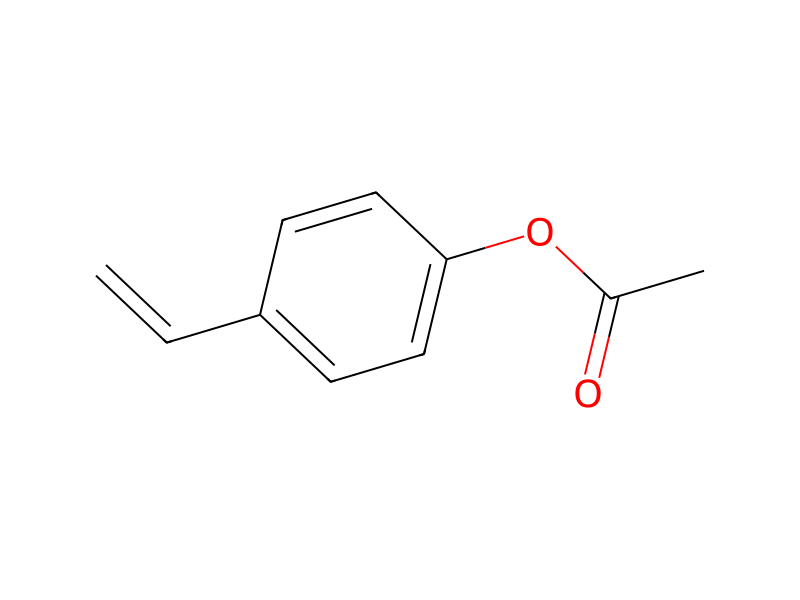




実験手順
Into a flask were charged 250 g of the copolymer of 2-ethyl-2-adamantyl methacrylate and p-acetoxystyrene (30:70) obtained in Reference Example 7, 10.8 g (0.088 mol) of 4-dimethylaminopyridine and 239 g of methanol and the mixture was aged for 20 hours under reflux. After cooling, the reaction solution was neutralized with 8.0 g (0.133 mol) of glacial acetic acid, and precipitated by pouring into a large amount of water. The precipitated polymer was dissolved in acetone, then, poured into a large amount of water to cause precipitation. This operation was repeated three times in total, to effect purification. The amount of the resulted copolymer of 2-ethyl-2-adamentyl methacrylate and p-hydroxystyrene was 102.8 g. The weight-average molecular weight was about 8200, the degree of dispersion was 1.68 (GPC method: reduced by polystyrene), and the copolymerization ratio was determined to be about 30:70 by a nuclear magnetic resonance (13C-NMR) spectrometer. This resin is called resin A6.
後処理
- temperatureunder reflux
- temperatureAfter cooling
- customprecipitated
- additionby pouring into a large amount of water
- dissolutionThe precipitated polymer was dissolved in acetone
- additionpoured into a large amount of water
- customprecipitation
- custompurification
出典と根拠
- ORDレコード
- ord-7b4ba0d1c5034139a1b4072b94c52353
- 出典データセット
- uspto-grants-2004_02
- 特許番号
- US06689531B2
関連ノート
読み込み中…