反応式

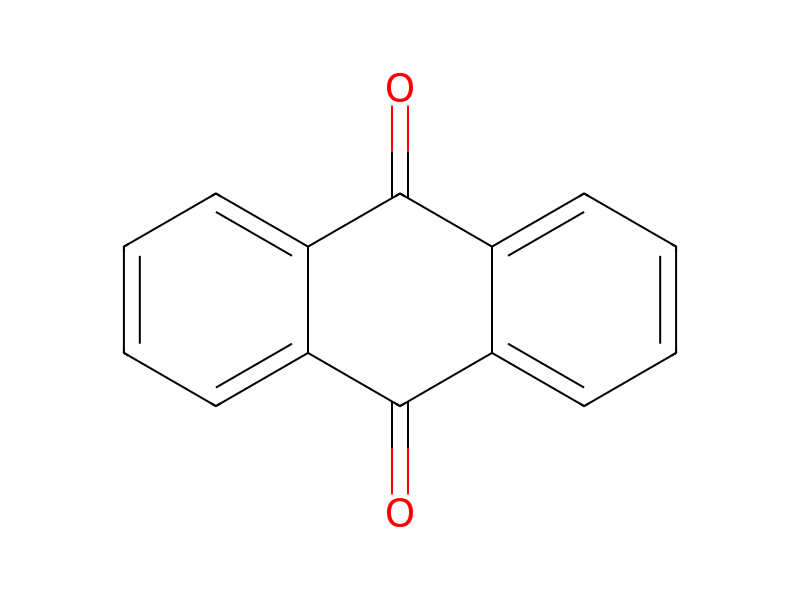
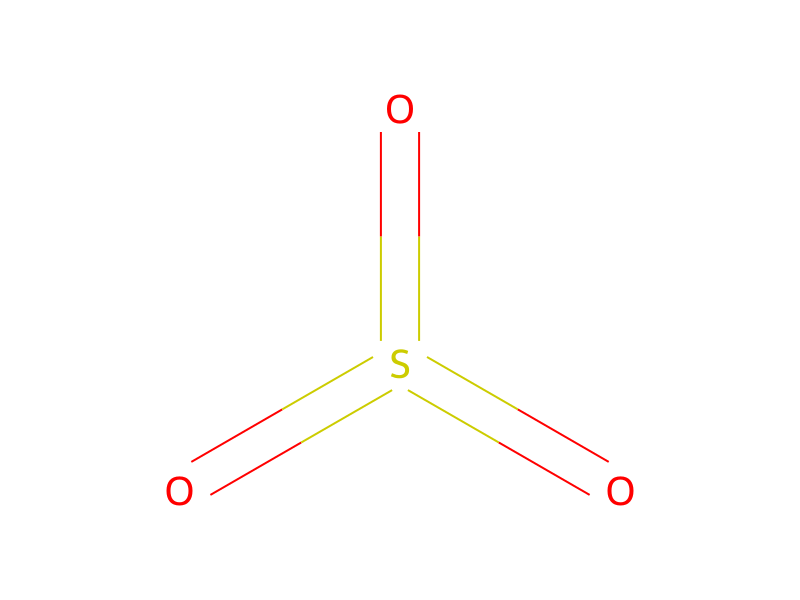
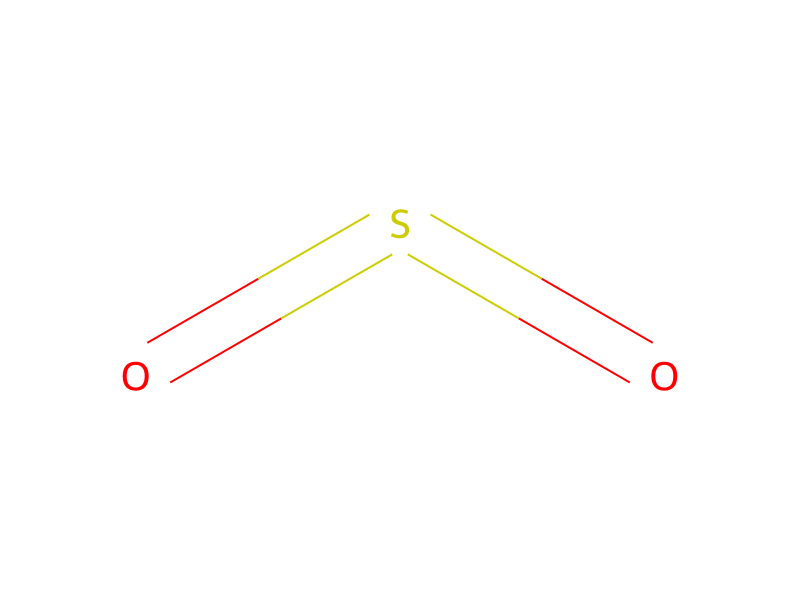
[CH:1]1[C:14]2[C:13](=[O:15])[C:12]3[C:7](=[CH:8][CH:9]=[CH:10][CH:11]=3)[C:6](=[O:16])[C:5]=2[CH:4]=[CH:3][CH:2]=1.[S:17](=[O:20])(=[O:19])=[O:18]>S(=O)=O.[Pd]>[CH:8]1[C:7]2[C:6](=[O:16])[C:5]3[C:14](=[CH:1][CH:2]=[CH:3][CH:4]=3)[C:13](=[O:15])[C:12]=2[CH:11]=[CH:10][CH:9]=1.[C:8]1([S:17]([OH:20])(=[O:19])=[O:18])[C:7]2[C:6](=[O:16])[C:5]3[C:14](=[CH:1][CH:2]=[CH:3][CH:4]=3)[C:13](=[O:15])[C:12]=2[CH:11]=[CH:10][CH:9]=1参加物


実験手順
New catalysts which promote selectively the α-sulfonation of anthraquinone in liquid sulfur dioxide as a solvent are taught addressed in, "Palladium-Catalyzed α-Monosulfonation of Anthraquinone by Sulfur Trioxide in Liquid Sulfur Dioxide" by Yasuziro Kawabata, et al., appearing in Journal of the Chemical Society of Japan, 1980, (3), p. 322-326, wherein the use of liquid sulfur dioxide and palladium containing compounds in the sulfonation reaction resulted in about 100% conversion of anthraquinone and 76% yield of 1-anthraquinonesulfonic acid with 99% α-selectivity. Further, Kawabata, et al. disclose a process of reprecipitation of the solubilized palladium on carbon by hydrogen treating, in which the pH value of the reaction mixture was adjusted to >7, and then 20 atm hydrogen was introduced to deposit the solubilized Pd on carbon. However, the conversion of anthraquinone was found to have decreased to 70% as the recovered Pd-carbon was recycled. Additionally, air or oxygen was introduced into the mixture after the Pd-carbon had been removed in order to precipitate a salt of the monoanthraquinonesulfonic acid.
出典と根拠
- ORDレコード
- ord-2b8684a23b9f4db281d534d7457aa6a1
- 出典データセット
- uspto-grants-1990_07
- 特許番号
- US04942251
関連ノート
読み込み中…