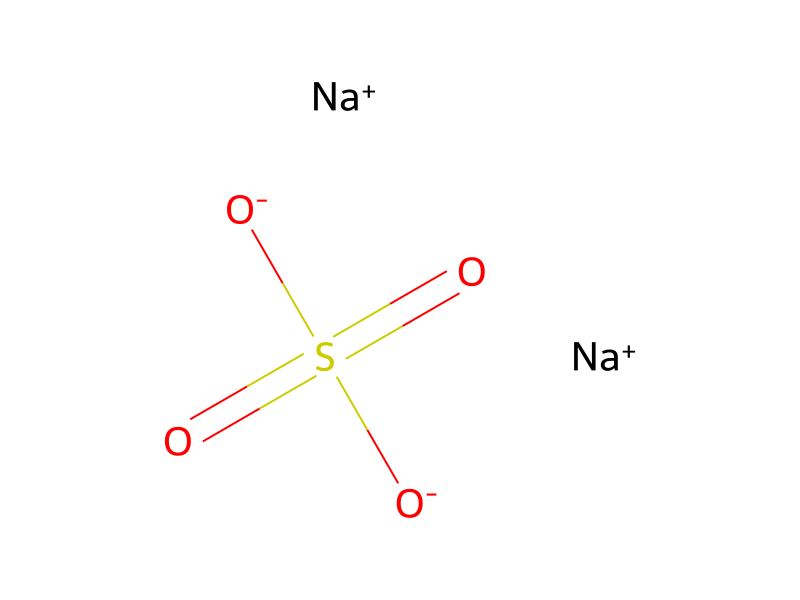
15.7 g of 2,3-difluoroaniline were added to 825 ml of water followed by adding 24.2 g of trichloroacetaldehyde, 30.8 g of hydroxyamine hydrochloride and 138.6 g of anhydrous sodium sulfate and stirring the mixture for 10 hours at 50° C. After allowing to cool to room temperature, 44 mL of 2N hydrochloric acid were added thereto, followed by stirring the mixture for 30 minutes. Subsequently, crystals were removed by filtration. The resulting crystals were dried, and then added to hot concentrated sulfuric acid at 70° C., followed by stirring the mixture for 1 hour at 80° C. to 90° C. The reaction solution was then poured over ice and extracted with ethyl acetate. The organic layer was washed with saturated saline and dried with magnesium sulfate followed by distilling off the solvent under reduced pressure to obtain 26 g of a crude product of 6,7-difluoroisatin.