4-Methylbenzaldehyde → N-methylpyridinium tetraphenylborate
HRID 2185577
反応式

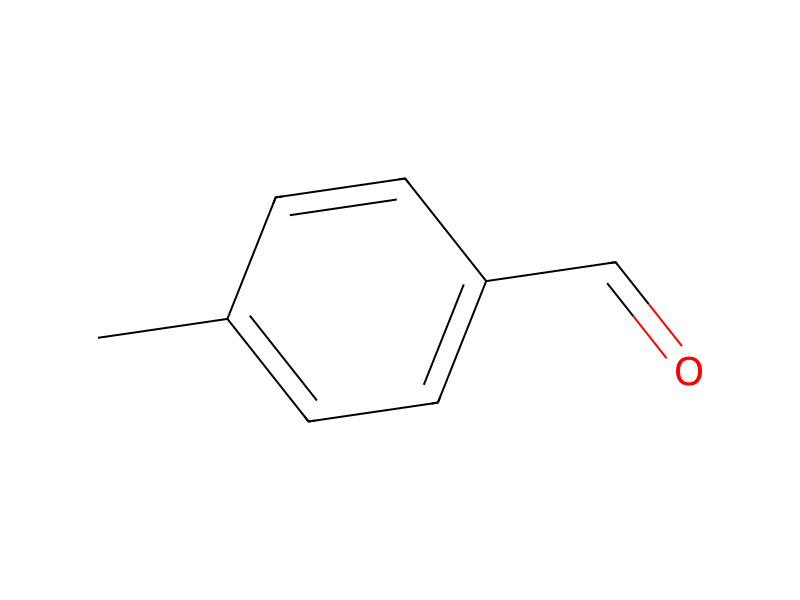
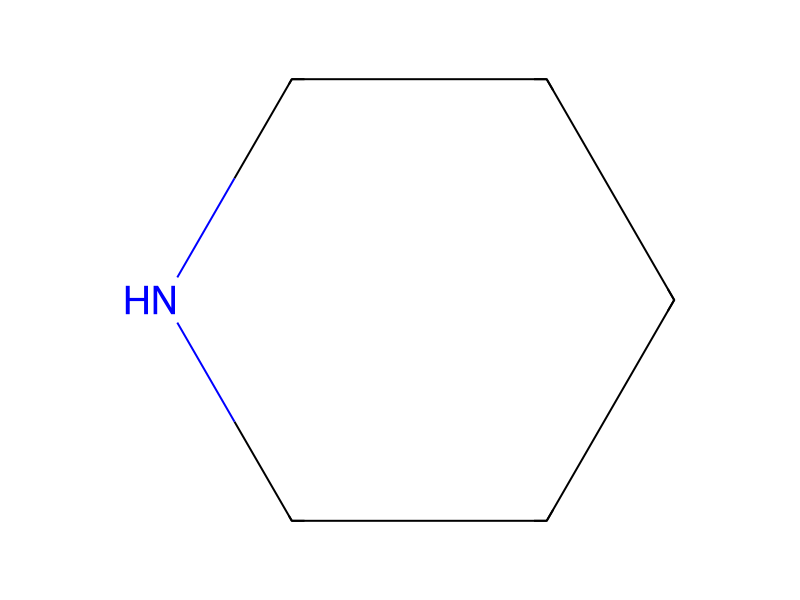
CC1C=CC(C=O)=CC=1.[C:10]1([B-:16]([C:29]2[CH:34]=[CH:33][CH:32]=[CH:31][CH:30]=2)([C:23]2[CH:28]=[CH:27][CH:26]=[CH:25][CH:24]=2)[C:17]2[CH:22]=[CH:21][CH:20]=[CH:19][CH:18]=2)[CH:15]=[CH:14][CH:13]=[CH:12][CH:11]=1.C[C:36]1[CH:41]=[CH:40][N+:39]([CH3:42])=[CH:38][CH:37]=1>N1CCCCC1.C(O)C>[C:29]1([B-:16]([C:10]2[CH:11]=[CH:12][CH:13]=[CH:14][CH:15]=2)([C:17]2[CH:18]=[CH:19][CH:20]=[CH:21][CH:22]=2)[C:23]2[CH:28]=[CH:27][CH:26]=[CH:25][CH:24]=2)[CH:30]=[CH:31][CH:32]=[CH:33][CH:34]=1.[CH3:42][N+:39]1[CH:40]=[CH:41][CH:36]=[CH:37][CH:38]=1参加物
5



実験手順
In a 500-mL one-neck flask fitted with a stirrer and a condenser, 1.2 g (0.01 mol) of 4-methylbenzaldehyde, 0.01 mol of 4-methyl-N-methylpyridinium tetraphenylborate, and 30 mL of absolute ethanol were mixed. Five drops of piperidine was added to the mixture. The solution was then heated to reflux, refluxed overnight, cooled, and filtered. The collected solid was washed twice with ether and twice with water to obtain 4-[p-N-methyl-N-ethylamino)styryl]-N-methylpyridinium tetraphenylborate in 78% yield as a reddish solid.