
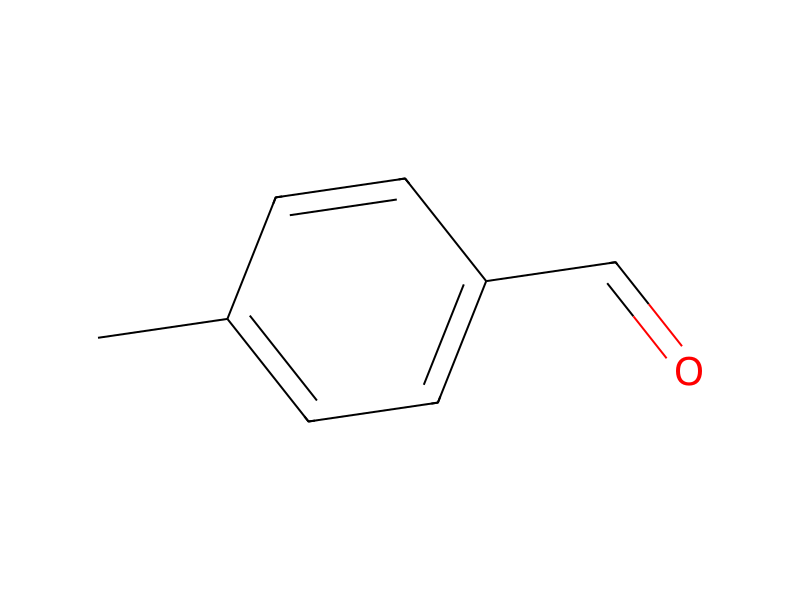
基本情報
- 標準SMILES
Cc1ccc(C=O)cc1- InChIKey
FXLOVSHXALFLKQ-UHFFFAOYSA-N- 分子式
- C8H8O
- 平均分子量
- 120.15 g/mol
- 単同位体質量
- 120.05751488
概要
P-tolualdehyde is a tolualdehyde compound with the methyl substituent at the 4-position. It has a role as a plant metabolite.
名称と識別子
- 優先名称
- 4-Methylbenzaldehyde
- IUPAC
- 4-methylbenzaldehyde
- 現地名
- p-トルアルデヒド
- 英語名
- p-Tolualdehyde
- 分子式
- C8H8O
- 分子量
- 120.15
名称と別名
p-Tolualdehyde4-METHYLBENZALDEHYDE104-87-04-Tolualdehydep-Tolylaldehydep-Formyltoluenep-MethylbenzaldehydeBenzaldehyde, 4-methyl-p-Toluylaldehydepara-Tolualdehydepara-Methylbenzaldehydepara-Toluyl aldehyde
名称をさらに表示
p-トルアルデヒド4-メチルベンゼンカルボアルデヒド1-メチル-4-ホルミルベンゼン4-メチルベンズアルデヒド1-ホルミル-4-メチルベンゼントリルアルデヒドp-メチルベンズアルデヒドp-トルイルアルデヒド4-トルアルデヒド4-ホルミルトルエンp-トリルアルデヒドpメチルベンズアルデヒドpトルアルデヒドパラ-トリルアルデヒド4‐メチルベンズアルデヒドトルアルデヒド, P-p-トルイル酸アルデヒドFEMA 3068p-Toluic aldehydep-Tolualdehyde ,98%4-methyl-benzaldehyd
Paratolualdehyde4-ToluylaldehydeDTXSID9041520GAX22QZ28QCHEBI:28617NSC-2224FEMA NO. 3068, P-DTXCID7021520
データベース識別子
- CAS
104-87-0- PubChem CID
- 7725
- DTXSID
DTXSID9041520- ChEMBL
CHEMBL190927- ChEBI
CHEBI:28617- UNII
- GAX22QZ28Q
- EC Number
- 203-246-9
- Nikkaji
- J5.036I
物性
構造計算による物性
- XLogP
- 2.1
- 極性表面積
- 17.1 Ų
- 水素結合供与体数
- 0
- 水素結合受容体数
- 1
- 回転可能結合数
- 1
- 重原子数
- 9
- 形式電荷
- 0
- 複雑度
- 90.7
実験および物理化学的性質
Chemical ClassesOther Classes -> Benzaldehydes
SpringerMaterials Properties13C nuclear magnetic resonance spectrum
FragrancesFragrance Ingredient (p-Tolualdehyde) -> IFRA transparency List
OdorFloral odor
Density1.0194 g/cu cm at 17 °C
Flavoring AgentsEU Flavoring substances
Color/FormCOLORLESS LIQUID
Solubility
Miscible with ethanol, ethyl ether, acetone; very soluble in chloroform
In water, 2.27X10+3 mg/L at 25 °C
2.27 mg/mL at 25 °C
Boiling Point
204 °C
BP: 106 °C at 10 mm Hg
204.00 °C. @ 760.00 mm Hg
DecompositionWhen heated to decomposition it emits acrid smoke and irritating vapors.
Melting Point
-6 °C
-6 °C
Vapor Pressure
0.25 [mmHg]
2.5X10⁻¹ mm Hg at 25 °C
物理化学的性質
- 融点
- -6 °C · -6 °C
- 沸点
- 204 · 204-205 °C (lit.) 82-85 °C/11 mmHg (lit.)
- 比重(密度)
- 1.019 g/mL · 1.019 g/mL at 25 °C (lit.)
- 蒸気圧
- 0.33 hPa · 0.33 hPa (25 °C)
- FEMA
- 3068 · 3068 | TOLUALDEHYDES (MIXED O,M,P)
- 屈折率
- 20 · n20/D 1.545(lit.)
- 闪点
- 176 °F · 176 °F
- 貯蔵温度
- 30 °C · Store below +30°C.
- 溶解性
- 0.25 g/L · 水: 可溶0.25 g/L at 25°C
- 外見
- 液体
- 色
- 無色透明~黄色
- 臭い (Odor)
- 5 %。フルーティーチェリーディープフェノール · ジプロピレングリコール中5.00%。フルーティーチェリーディープフェノール
- においのタイプ
- フルーティーな
- 由来生物
- synthetic
- 爆発限界(explosive limit)
- 0.9 · 0.9-5.6%(V)
- 水溶解度
- 0.25 g/L · 0.25g/L(25℃)
- BRN
- 385772 · 385772
- Henry's Law Constant
- 5.3 · 5.3×10-1 mol/(m3Pa) at 25℃, Brockbank (2013)
- 化粧品成分の機能
- 香料
- InChI
- 1S/C8H8O/c1-7-2-4-8(6-9)5-3-7/h2-6H,1H3
- InChIKey
- FXLOVSHXALFLKQ-UHFFFAOYSA-N
- SMILES
- [H]C(=O)c1ccc(C)cc1
- LogP
- 2.25 · 2.25
- CAS データベース
- 104 · 104-87-0(CAS DataBase Reference)
- NISTの化学物質情報
- 4 · Benzaldehyde, 4-methyl-(104-87-0)
- EPAの化学物質情報
- 4 · 4-Methylbenzaldehyde (104-87-0)
化学的性質
化学的特性Clear colorless to pale yellow liquid. Soluble in alcohol and oils. Sweet-herbaceous, Bitter-almond-like moderately tenacious odor. Not as pungent as Benzaldehyde, but more herbaceous-warm. Intensely sweet, warm-fruity and Bitteralmond-like taste in concentrations lower than 500 ppm.
安全と法規制
GHS分類
GHS Classification
Warning
H302 (99.8%): Harmful if swallowed [Warning Acute toxicity, oral]
P264, P264+P265, P270, P280, P301+P317, P305+P351+P338, P330, P337+P317, and P501 (click each P-code to see the statement)
Aggregated GHS information provided per 1818 reports by companies from 11 notifications to the ECHA C&L Inventory. Each notification may be associated with multiple companies.
Warning
H227: Combustible liquid [Warning Flammable liquids]
危険有害性情報
Regulatory Information
Chemical: Benzaldehyde, 4-methyl-
Commission Regulation (EC) No 1565/2000 (Repealed by Com. Implementing Reg. (EU) No 872/2012)
Benzaldehyde, 4-methyl- is listed on the EPA's Chemical Data Reporting (CDR) system. Manufacturers and importers of Benzaldehyde, 4-methyl- are required to report information about their production and use of this chemical to the EPA under the Toxic Substances Control Act (TSCA). (40 eCFR Part 711)
Status: Active Update: 30-01-2018 https://echa.europa.eu/registration-dossier/-/registered-dossier/22054
4-Methylbenzaldehyde: Does not have an individual approval but may be used under an appropriate group standard
Hazards SummaryA skin, eye, and respiratory tract irritant; Dilute solutions of tolualdehydes did not induce skin sensitization in volunteers; [HSDB] An irritant; [MSDSonline]
TSCA Requirements
Section 8(a) of TSCA requires manufacturers of this chemical substance to report preliminary assessment information concerned with production, exposure, and use to EPA as cited in the preamble in 51 FR 41329. Effective date 9/30/91; Reporting date: 11/27/91.
Pursuant to section 8(d) of TSCA, EPA promulgated a model Health and Safety Data Reporting Rule. The section 8(d) model rule requires manufacturers, importers, and processors of listed chemical substances and mixtures to submit to EPA copies and lists of unpublished health and safety studies. Benzaldehyde, 4-methyl- is included on this list. Effective date 9/30/91; Sunset date: 6/30/98.
Hazard Classes and Categories
Acute Tox. 4 (99.8%)
Flammable liquids - Category 4
Skin, Eye, and Respiratory IrritationsThe low molecular weight aldehydes, the halogenated aliphatic aldehydes, and the unsaturated aldehydes are particularly irritating. /Aldehydes/
安全と保護具
Disposal Methods
SRP: The most favorable course of action is to use an alternative chemical product with less inherent propensity for occupational exposure or environmental contamination. Recycle any unused portion of the material for its approved use or return it to the manufacturer or supplier. Ultimate disposal of the chemical must consider: the material's impact on air quality; potential migration in soil or water; effects on animal, aquatic, and plant life; and conformance with environmental and public health regulations.
Preventive Measures
SRP: The scientific literature for the use of contact lenses in industry is conflicting. The benefit or detrimental effects of wearing contact lenses depend not only upon the substance, but also on factors including the form of the substance, characteristics and duration of the exposure, the uses of other eye protection equipment, and the hygiene of the lenses. However, there may be individual substances whose irritating or corrosive properties are such that the wearing of contact lenses would be harmful to the eye. In those specific cases, contact lenses should not be worn. In any event, the usual eye protection equipment should be worn even when contact lenses are in place.
毒性情報
Body Burdenp-Methylbenzaldehyde was detected in expired air at an average concentration of 6.5 ng/L from 28 human subjects(1). 5.6% of expired air samples from 54 human subjects contained 4-methylbenzaldehyde at a mean concentration of 3.3 ng/L(2).
Ecotoxicity ValuesEC50; Species: Tetrahymena pyriformis (Ciliate, GL-C strain); Conditions: freshwater, static; Concentration: 134510 ug/L for 48 hr (95% confidence limit: 95820-164650 ug/L); Effect: decreased population growth
Environmental Fate
TERRESTRIAL FATE: Based on a classification scheme(1), an estimated Koc value of 62(SRC), determined from a water solubility of 2,270 mg/L(2) and a regression-derived equation(3), indicates that 4-methylbenzaldehyde is expected to have high mobility in soil(SRC). Volatilization of 4-methylbenzaldehyde from moist soil surfaces is expected to be an important fate process(SRC) given an estimated Henry's Law constant of 1.7X10⁻⁵ atm-cu m/mole(SRC), derived from its vapor pressure, 0.25 mm Hg(4), and its water solubility(2). 4-Methylbenzaldehyde is expected to volatilize from dry soil surfaces(SRC) based upon its vapor pressure(4). Based on limited information, 4-methylbenzaldehyde is expected to biodegrade in soil(SRC). A Pseudomonas strain was able to utilize 4-methylbenzaldehyde as the sole carbon source(5); a yeast strain grown with both this compound and either sucrose or pyruvate biodegraded 4-methylbenzaldehyde to the respective aromatic carbinol or alcohol(6).
AQUATIC FATE: Based on a classification scheme(1), an estimated Koc value of 62(SRC), determined from a water solubility of 2,270 mg/L(2) and a regression-derived equation(3), indicates that 4-methylbenzaldehyde is not expected to adsorb to suspended solids and sediment(SRC). Volatilization from water surfaces is expected(3) based upon an estimated Henry's Law constant of 1.7X10⁻⁵ atm-cu m/mole(SRC), derived from its vapor pressure, 0.25 mm Hg(4), and its water solubility(2). Using this Henry's Law constant and an estimation method(3), volatilization half-lives for a model river and model lake are 2.4 and 21 days, respectively(SRC). According to a classification scheme(5), an estimated BCF of 8(SRC), from its water solubility(2) and a regression-derived equation(3), suggests the potential for bioconcentration in aquatic organisms is low(SRC). Based on limited data, biodegradation of 4-methylbenzaldehyde will take place in water(SRC). A Pseudomonas strain was able to utilize 4-methylbenzaldehyde as the sole carbon source(6); a yeast strain grown with both this compound and either sucrose or pyruvate biodegraded 4-methylbenzaldehyde to the respective aromatic carbinol or alcohol(7).
ATMOSPHERIC FATE: According to a model of gas/particle partitioning of semivolatile organic compounds in the atmosphere(1), 4-methylbenzaldehyde, which has a vapor pressure of 0.25 mm Hg at 25 °C(2), is expected to exist solely as a vapor in the ambient atmosphere. Vapor-phase 4-methylbenzaldehyde is degraded in the atmosphere by reaction with photochemically-produced hydroxyl radicals(SRC); the half-life for this reaction in air is estimated to be 21 hrs(SRC), calculated from its rate constant of 1.8X10⁻¹¹ cu cm/molecule-sec at 25 °C(3). The reactivity of 4-methylbenzaldehyde (1 ppm) with NOx (0.5 ppm) in light was measured in a smog chamber as 1.78 ppb/min(4). 4-Methylbenzaldehyde contains chromophores that absorb at wavelengths >290 nm(5) and therefore may be susceptible to direct photolysis by sunlight(SRC).
Food Survey Values4-Methylbenzaldehyde is a constituent of coffee aroma(1), roasted filberts(2), roasted earth almonds (Cyperus esculentus L.)(3). 4-Methylbenzaldehyde was detected in a Spanish type paprika oleoresin at 1.3 mg/kg(4).
Plant Concentrations4-Methylbenzaldehyde was detected in raw earth almonds (Cyperus esculentus L.)(1).
Effluent Concentrations
Operation of a four-stroke outboard motor resulted in the exhaust emission of 2.8 mg/10 min of 4-methylbenzaldehyde into the water(1). 4-Methylbenzaldehyde was emitted from a fireplace burning jack pine, cedar, red oak, and green ash wood at concns of 0.114-0.475 g/kg(2). 4-Methylbenzaldehyde was emitted from non-catalyst and catalyst automobiles at 7.7 and 1.7 ug/km, respectively(3). Heavy-duty diesel trucks emitted 2.3 ug 4-methylbenzaldehyde/km(3). 4-Methylbenzaldehyde was identified in rush hour traffic air samples taken at the Oakland-San Francisco Bay Bridge toll plaza 4/23/2001, 5-7 pm, 4/24/2001, 6-10 am, and 3-7 pm at concns of 0.018-0.023 ug/cu m(4). 4-Methylbenzaldehyde was found in highway tunnels in Tuscarora; light duty trucks emitted 0.023 mg/km traveled or 0.305 mg/L fuel used, heavy duty trucks emitted 0.335 mg/km traveled or 0.962 mg/L fuel used(5). 4-Methylbenzaldehyde emissions from an automobile running on Swedish environmental classified diesel fuel were 0.6 mg/km and the same automobile running on European program emissions fuel were also 0.6 mg/km(6).
3-Methylbenzaldehyde/4-methylbenzaldehyde was measured in the emissions of burnt wood at 12 and 27 mg/kg of pine and eucalyptus, but was not detected in the emissions of burnt oak(1).
Soil Adsorption/Mobility
The Koc of 4-methylbenzaldehyde is estimated as 62(SRC), using a water solubility of 2,270 mg/L(1) and a regression-derived equation(2). According to a classification scheme(3), this estimated Koc value suggests that 4-methylbenzaldehyde is expected to have high mobility in soil.
TSCA Test Submissions
P-Tolualdehyde (CAS # 104-87-0) was evaluated for acute oral toxicity. The test substance was administered to 10 rats (sex and strain not indicated) at a dosage range of 200-3200 mg/kg. No unusual clinical signs were observed, except for evidence of slight toxicity. Mortality data were not provided, except for time of death (within 1 day). The LD50 was determined to be 1600 mg/kg.
P-Tolualdehyde (CAS # 104-87-0) was evaluated for acute inhalation toxicity by exposing 6 rats (sex and strain not indicated) to a single six-hour inhalation exposure of 373 and 444 ppm. No mortality occurred. The rats gained weight normally and there were no unusual clinical signs other than irritation.
P-Tolualdehyde (CAS # 104-87-0) was evaluated for subchronic oral toxicity. The test substance was administered by gavage to 5/rats/dose (sex and strain not indicated) at dosage levels of 100 or 1000 mg/kg/day for a total of 12 doses over 17 days. Feed consumption and weight gain were normal. Hematology, clinical chemistry, liver and kidney weights, and gross and histopathological findings were normal.
P-Tolualdehyde (CAS # 104-87-0) was evaluated for subchronic dermal toxicity. The test substance was administered (dosage not indicated) to the clipped backs of guinea pigs (number, sex, and strain not indicated) and repeated applications produced a slight exacerbation of the irritation response seen from a single application.
For more TSCA Test Submissions (Complete) data for 4-METHYLBENZALDEHYDE (8 total), please visit the HSDB record page.
Natural Pollution Sources4-Methylbenzaldehyde was detected in raw earth almonds (Cyperus esculentus L.)(1).
Atmospheric Concentrations
URBAN/SUBURBAN: 4-Methylbenzaldehyde, analyzed in Athens, Greece, June to December 2000, was detected at Patission Street at concns of 1.2-5.9 ug/cu m(1). 4-Methylbenzaldehyde was detected at average concns of 0.032-0.131 ug/cu m in Rio de Janeiro, Brazil Oct 1999 to Nov 2000(2). 4-Methylbenzaldehyde was analyzed but not detected in samples taken at the top of an 11 story building on the campus of Hong Kong University Science and Technology(3).
RURAL/REMOTE: 4-Methylbenzaldehyde was identified in forest air collected in the Southern Black Forest, Germany, at unreported concentrations(1).
SOURCE DOMINATED: 4-Methylbenzaldehyde was analyzed but not detected in kitchen exhaust(1).
Human Toxicity Excerpts
/SIGNS AND SYMPTOMS/ The mucus membranes of the nasal and oral passages and the upper respiratory tract are affected, producing a burning sensation, ... bronchial constriction, choking, and coughing. The eyes tear, and a burning sensation is noted on the skin of the face. /Aldehydes/
/SIGNS AND SYMPTOMS/ No evidence of skin sensitization was found in volunteers treated with dilute solutions. /Tolualdehydes/
Artificial Pollution Sources
4-Methylbenzaldehyde's production and use in perfumes, as a pharmaceutical and dyestuff intermediate, and as a flavoring agent(1) may result in its release to the environment through various waste streams(SRC). Exhaust from outboard motors(2), automobiles and trucks(3), and emissions from fireplaces(4) contain 4-methylbenzaldehyde.
法規制情報
TSCA Requirements
Section 8(a) of TSCA requires manufacturers of this chemical substance to report preliminary assessment information concerned with production, exposure, and use to EPA as cited in the preamble in 51 FR 41329. Effective date 9/30/91; Reporting date: 11/27/91.
Pursuant to section 8(d) of TSCA, EPA promulgated a model Health and Safety Data Reporting Rule. The section 8(d) model rule requires manufacturers, importers, and processors of listed chemical substances and mixtures to submit to EPA copies and lists of unpublished health and safety studies. Benzaldehyde, 4-methyl- is included on this list. Effective date 9/30/91; Sunset date: 6/30/98.
安全データ
- F
- 9-23
- wgk
- 1
- tsca
- TSCA listed
- rtecs
- CU7034500
- ridadr
- NA 1993 / PGIII
- 毒性
- LD50 orally in Rabbit: 1600 mg/kg
- hs_code
- 29122900
- risk_code
- 22-36/37/38-36/38
- 化審法
- (3)-2659
- 消防法
- 危-4-3-III
- hazard_code
- Xn
- safety_code
- 26-36-37/39
- 自然発火温度
- 395 °C DIN 51794
- Hazard Classifications
- Acute Tox. 4 OralEye Irrit. 2Skin Irrit. 2
- ストレージクラス
- 10 - Combustible liquids
- 有毒物質データの
- 104-87-0(Hazardous Substances Data)
化学と産業
薬理情報
Metabolism/Metabolites
Aromatic aldehydes are oxidized in vivo almost entirely to corresponding acid. Thus, in rabbits, p-tolualdehyde is converted to p-toluic acid which has been detected in urine as the ester glucuronide.
p-Tolualdehyde was oxidized to p-toluic acid by resting cells of pseudomonas aeruginosa. Perillaldehyde dehydrogenase, isolated from soil pseudomonad, catalyzed the oxidn of m- & p-tolualdehyde but not o-tolualdehyde.
Aldehydes are readily oxidized to organic acids. Oxidation of aldehydes is catalyzed by aldehyde dehydrogenase, which has been found in the brain, erythrocytes, liver, kidney, heart, and placenta. /Aldehydes/
... The detoxification of aldehydes can be seen to proceed basically via two routes: (1) an oxidation to yield readily metabolized acids; (2) inactivation by reaction with sulfhydryl groups, particularly glutathione. Under conditions that either deplete glutathione levels, or that result in an inhibition of aldehyde dehydrogenase (for example, Antabuse treatment), the acute and chronic effects of aldehyde toxicity might be more fully expressed. /Aldehydes/
For more Metabolism/Metabolites (Complete) data for 4-METHYLBENZALDEHYDE (7 total), please visit the HSDB record page.
Cellular LocationsCytoplasm
用途と製造
Uses
Used in flavors, perfumes, and as an intermediate for pharmaceuticals and dyestuffs; [HSDB]
In perfumes; pharmaceutical and dyestuff intermediate, flavoring agent
Derivatives: 4-methylphenylacetaldehyde
U.S. Imports
(1979) 8.25X10+5 GRAMS
(1981) 3.60X10+5 GRAMS
U.S. Production
2023: 28,204 lb
(1979) PROBABLY GREATER THAN 4.54X10+6 GRAMS
(1981) PROBABLY GREATER THAN 4.54X10+6 GRAMS
Production volumes for non-confidential chemicals reported under the Inventory Update Rule. [Table#5372]
Consumer UsesIntermediate
Industry UsesIntermediate
Methods of Manufacturing
4-Methylbenzaldehyde is produced industrially by a modified Gattermann-Koch reaction. Toluene is reacted with carbon monoxide in the presence of hydrogen fluoride and tantalum(V) fluoride or hydrogen fluoride and boron trifluoride.
Toluene + dimethylformamide (Vilsmeier reaction)
Toluene + carbon monoxide (Gattermann-Koch reaction)
Formulations/PreparationsGrades: Technical; Pure.
Use ClassificationFragrance Ingredients
General Manufacturing Information
All Other Basic Organic Chemical Manufacturing
Benzaldehyde, 4-methyl-: ACTIVE
応用分野
用途香水、医薬品、染料中間体、香味剤
使用p-Tolualdehyde is made by the Vilsmeier reaction employing toluene and dimethylformamide or the Guttermann–Koch reaction employing toluene and carbon monoxide.
一般的な説明p-Tolualdehyde (4-Methylbenzaldehyde) is an aromatic aldehyde. It has been generated as major oxygenated product during the UV light irradiated oxygenation of p-xylene, via photoinduced electron transfer mechanism. It undergoes condensation reaction with diiron μ-ethylidyne complex to afford μ-vinylcarbyne complex (92% yield).
調製方法
純化方法Steam distil the aldehyde, dry it with CaSO4, then fractionally distil it. [Beilstein 7 IV 672.]
上流・下流製品情報
上流原料
下流製品
サプライヤー50 社
国药集团化学试剂有限公司86-21-63210123 · [email protected]
梯希爱(上海)化成工业发展有限公司021-67121386 · [email protected]
衢州润东化工有限公司0570-8789886 18892685668 · [email protected]
上海阿拉丁生化科技股份有限公司400-6206333 13167063860 · [email protected]
青岛和兴精细化学有限公司0532-66915948
爱斯特(成都)生物制药股份有限公司+86-28-85122536 85324413 · [email protected]
上海赫文斯化工有限公司15721252604 17321035817 · [email protected]
韶远科技(上海)有限公司021-50795510 4000665055 · [email protected]
科瑞迪化学400-821-5857 021-64326257 · [email protected]
Syntechem Co.,Ltd[email protected]
上海迈瑞尔生化科技有限公司4006356688 18621169109 · [email protected]
阿法埃莎(中国)化学有限公司400-6106006 · [email protected]
安耐吉化学&3A(安徽泽升科技股份有限公司)400-0056266 · [email protected]
上海瀚鸿科技股份有限公司021-54306202 13764082696 · [email protected]
上海柯维化学技术有限公司021-64609169 18901607656 · [email protected]
吉良化学21-62165282 · [email protected]
上海景颜化工科技有限公司13817811078 · [email protected]
孝感深远化工有限公司15527621225; 15527621225 · [email protected]
山东西亚化学有限公司13355009207 13355009207 · [email protected]
唐山默内德贸易有限公司0315-8309571 15633399667 · [email protected]
玛雅试剂+86 (573) 82222445 (0)18006601000 452520369 · [email protected]
四川库利南科技有限公司400-1166-196 18981987031 · [email protected]
天津希恩思生化科技有限公司400 638 7771 · [email protected]
武汉科美沃化工有限公司027-85736489 · [email protected]
南京维奥化工有限公司Please Send Email 18652950785 · [email protected]
武汉华邦化学新材料有限公司027-83229541 13971313286 · [email protected]
河南多贝化工有限公司0370-2785118 17550508557 · [email protected]
斯百全化学(上海)有限公司021-021-021-67601398-809-809-809 15221380277 · [email protected]
艾科试剂4008-755-333 18080918076 · [email protected]
上海思域化工科技有限公司86-21-34053660 · [email protected]
赛默飞世尔科技(中国)有限公司800-810-5118 · [email protected]
北京伊诺凯科技有限公司400-810-7969 010-59572699 · [email protected]
南京诺利斯医药科技有限公司13901585132 · [email protected]
TOKYO CHEMICAL INDUSTRY CO., LTD.03-36680489 · [email protected]
上海贤鼎生物科技有限公司4009209199 · [email protected]
深圳振强药物研发有限公司0755-66853366 13670046396 · [email protected]
深圳康特腾科技有限公司86-0755-86635001 · [email protected]
越林试剂021-62960152 · [email protected]
上海睿升化工科技有限公司+86-021-50935922
北京环宇世纪化学科技有限公司hysj_bj.com
上海湄水化工科技有限公司021-60549325 18616193163
上海将来实业股份有限公司400-0066400 13621662912 · [email protected]
上海将来实业股份有限公司021-61552785 · [email protected]
安徽科迪达化工有限公司0554-2106669 · [email protected]
HBCChem, Inc.+1-510-219-6317 · [email protected]
日照力德士化工有限公司010-51268198 · [email protected]
郑州鸿晟医药科技有限公司0371-0371-13526885213 15637198702 · [email protected]
美岚实业(上海)有限公司021-58958189 · [email protected]
上海石洋化工有限公司021-56795766 · [email protected]
上海爱蝶实业有限公司021-58957966 18930537195 · [email protected]
補足説明
定義ChEBI: A tolualdehyde compound with the methyl substituent at the 4-position.
関連反応
384 件

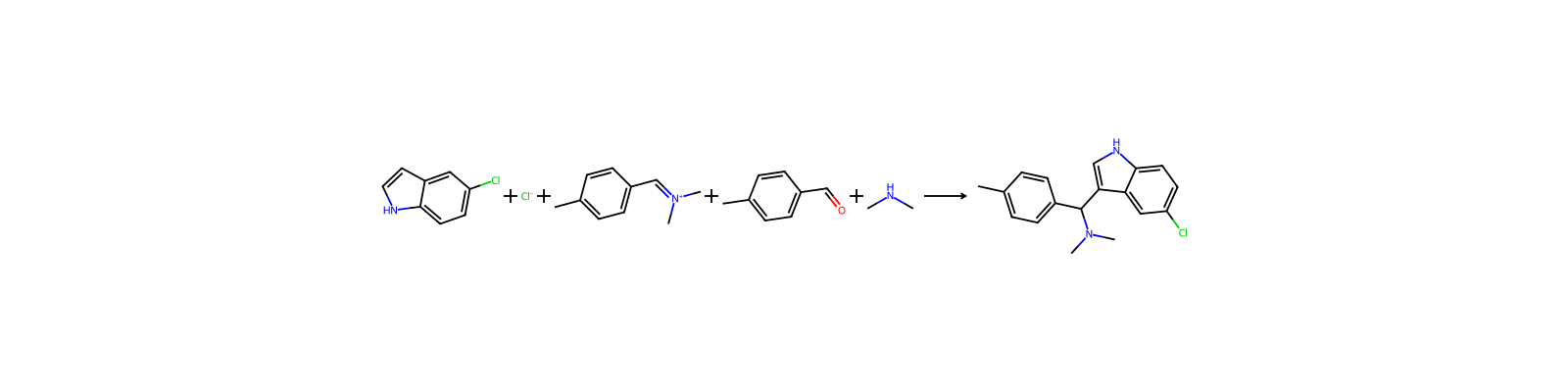
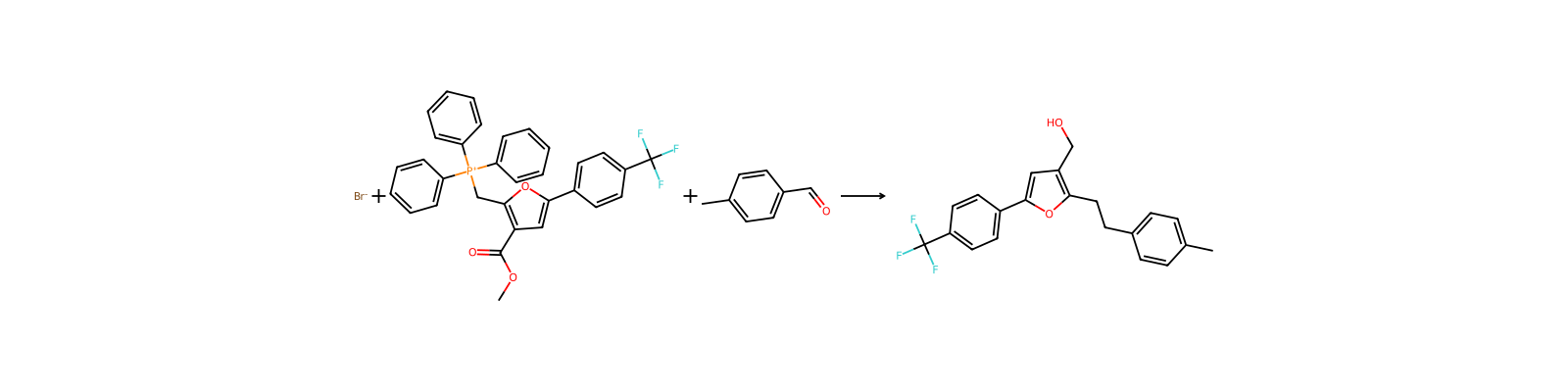
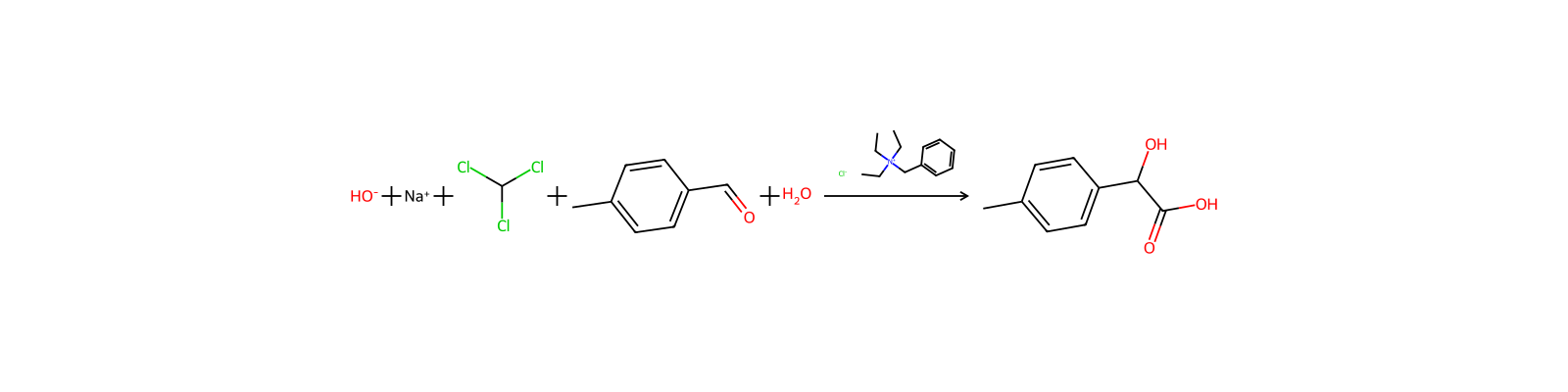

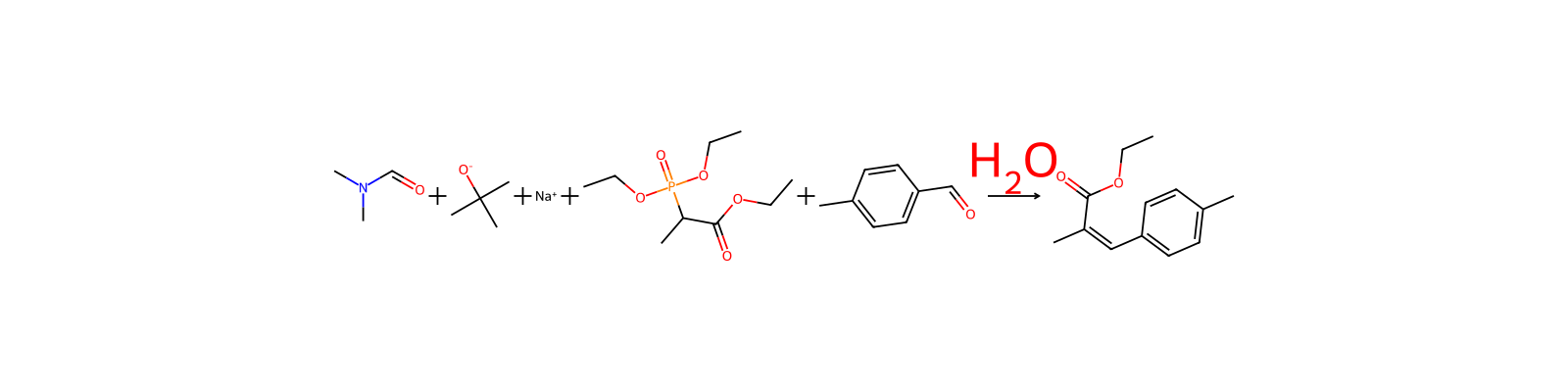
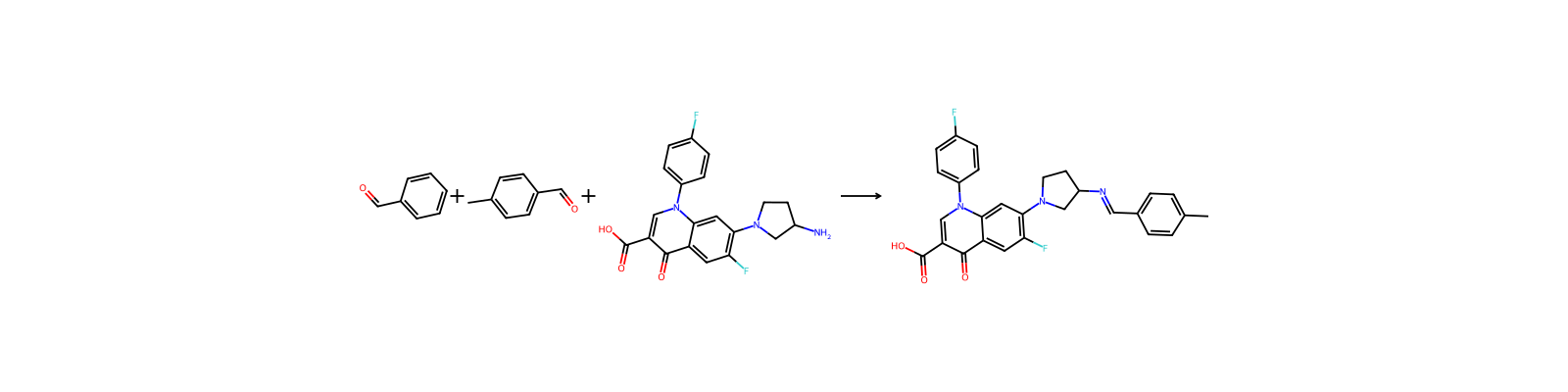
関連ノート
読み込み中…