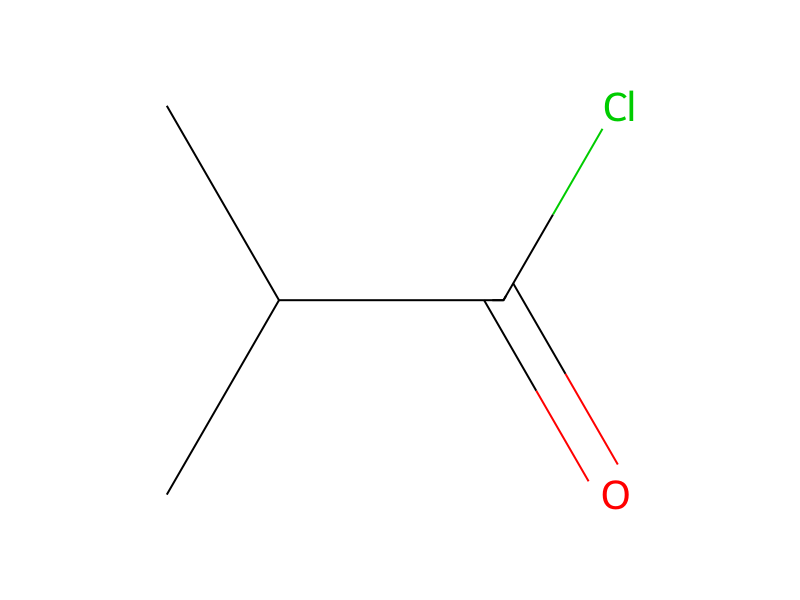
[OH:1][C:2]1[C:11]2[C:6](=[N:7][CH:8]=[CH:9][N:10]=2)[NH:5][C:4](=[O:12])[C:3]=1[C:13]1[O:17][N:16]=[C:15]([C:18]([F:21])([F:20])[F:19])[CH:14]=1.N1C=CC=CC=1.[C:28](Cl)(=[O:32])[CH:29]([CH3:31])[CH3:30]>ClCCl.C(OCC)(=O)C>[OH:12][C:4]1[C:3]([C:13]2[O:17][N:16]=[C:15]([C:18]([F:21])([F:20])[F:19])[CH:14]=2)=[C:2]([O:1][C:28](=[O:32])[CH:29]([CH3:31])[CH3:30])[C:11]2[C:6]([N:5]=1)=[N:7][CH:8]=[CH:9][N:10]=2To a solution of 8-hydroxy-7-(3-trifluoromethyl-isoxazol-5-yl)-5H-pyrido[2,3-b]pyrazin-6-one (Example 6.5) (0.037 g) and pyridine (0.1 ml) in dichloromethane (2 ml) was added dropwise isobutyryl chloride (0.05 ml). The reaction mixture was stirred at ambient temperature for 6 hours and stored at ambient temperature for 16 hours. The reaction mixture was diluted with ethyl acetate, and the organic phase was washed successively with water, aqueous sodium hydrogen carbonate (saturated) and brine. The organic phase was dried over magnesium sulfate and concentrated to give Compound No. B7 of Table B as a pale yellow solid (0.038 g).