Phthalic Anhydride → 2-(1,3-Dioxo-1,3-dihydroisoindol-2-yl)-4-phenyl-thiophene-3-carboxylic acid ethyl ester
HRID 2212255
反応式

[CH2:1]([O:3][C:4]([C:6]1[C:10]([C:11]2[CH:16]=[CH:15][CH:14]=[CH:13][CH:12]=2)=[CH:9][S:8][C:7]=1[NH2:17])=[O:5])[CH3:2].[C:18]1(=O)[O:23][C:21](=[O:22])[C:20]2=[CH:24][CH:25]=[CH:26][CH:27]=[C:19]12>C(O)(=O)C>[CH2:1]([O:3][C:4]([C:6]1[C:10]([C:11]2[CH:16]=[CH:15][CH:14]=[CH:13][CH:12]=2)=[CH:9][S:8][C:7]=1[N:17]1[C:21](=[O:22])[C:20]2[C:19](=[CH:27][CH:26]=[CH:25][CH:24]=2)[C:18]1=[O:23])=[O:5])[CH3:2]参加物
4
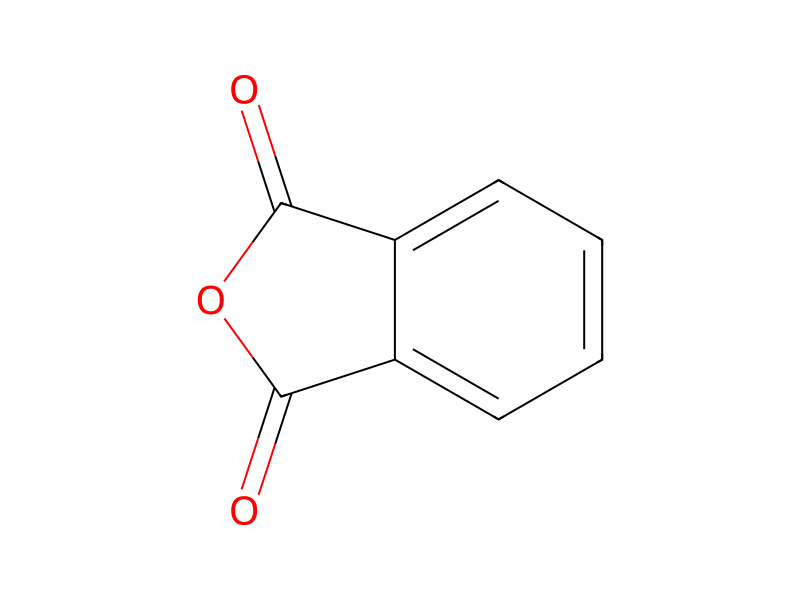



実験手順
A mixture of 2-amino-4-phenylthiophene-3-carboxylic acid ethyl ester (2 mmol, Example 1, Part B) and phthalic anhydride (2.2 mmol) in glacial acetic acid (20 mL) was heated at reflux overnight. After cooling to room temperature, the acetic acid was removed in vacuo and the residue triturated with petroleum ether. The crude product was collected by filtration, suspended in acetyl chloride (5 mL), and heated to reflux for one hour. After removing the solvent in vacuo, the residue was dissolved in ethyl acetate (30 mL), washed sequentially with 5% aqueous NaHCO3 (10 mL), water (10 mL), brine (10 mL), dried (Na2SO4), filtered, and concentrated in vacuo. Recrystallization from petroleum ether afforded the desired product as a yellow solid in 70% yield.