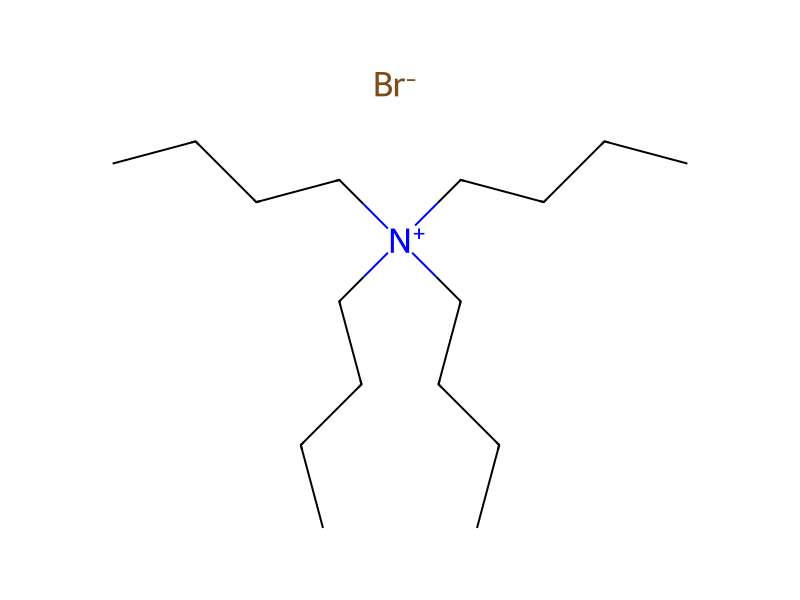
[CH:1]1[C:11]2[CH2:10][CH2:9][C:8]3[CH:12]=[CH:13][CH:14]=[CH:15][C:7]=3[CH:6]([CH:16]=[O:17])[C:5]=2[CH:4]=[CH:3][CH:2]=1.[Br:18][CH2:19][CH2:20]Br.[OH-].[Na+]>[Br-].C([N+](CCCC)(CCCC)CCCC)CCC.ClCCl>[CH:1]1[C:11]2[CH2:10][CH2:9][C:8]3[CH:12]=[CH:13][CH:14]=[CH:15][C:7]=3[C:6](=[CH:16][O:17][CH2:20][CH2:19][Br:18])[C:5]=2[CH:4]=[CH:3][CH:2]=1To a solution of 10,11-dihydro-5H-dibenzo[a,d]cyclohepten-5-carboxaldehyde (11.3 g, 51 mmol, prepared in a similar way as described in Acta Chem. Scand. 1978, B33, 100-103) and tetrabutylammonium bromide (1.64 g, 5.1 mmol) in dichloromethane (100 ml) was added 1,2-dibromoethane (62 ml) and a 12 M sodium hydroxide solution (100 ml). The reaction mixture was stirred vigorously overnight and dichloromethane (100 ml) was added. The phases were separated and the aqueous phase was extracted with dichloromethane (100 ml). The combined organic phases were washed with a 0.2 M hydrochloric acid solution (100 ml), brine (25 ml) and dried over magnesium sulphate. The solvent was evaporated in vacuo to give 14.1 g of 2-((10, 11-dihydro-5H-dibenzo[a,d]cyclohepten-5-ylidene)methoxy)ethylbromide. TLC: rf=0.48 (SiO2 ; ethyl acetate/n-heptane=1:4).