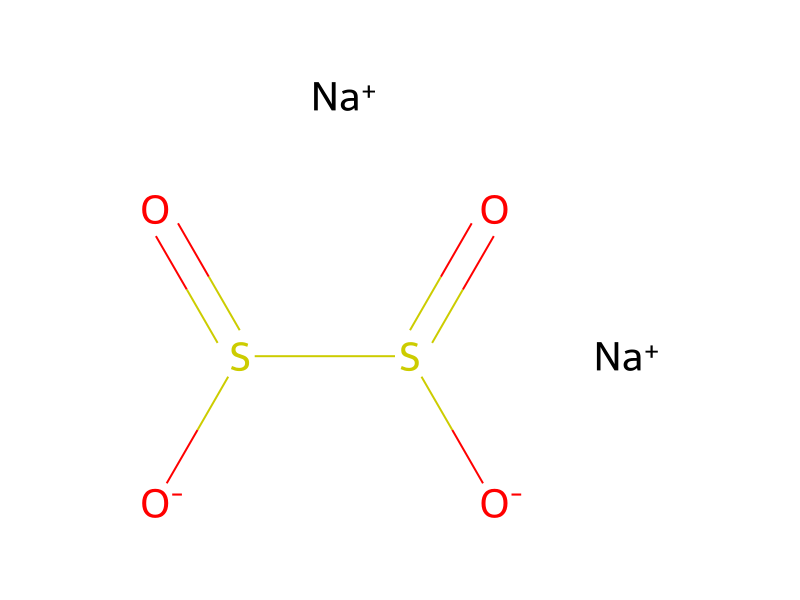
A mixture of 6-fluoro-5-methyl-3-oxo-3,4-dihydro-2-quinoxalinecarbonitrile 1-oxide (15.9 g, 71.8 mmol) and sodium dithionite (36.7 g, 179.6 mmol) in ethanol (200 ml) and water (400 ml) was heated under reflux for 1 h, with a flow of argon over the top of the condenser leading to a bleach-filled bottle to trap HCN. The cooled mixture was carefully acidified to pH1 with dilute HCl and the mixture was stirred for 45 min at RT. Sodium hydroxide (50% aqueous) was then added to give pH˜11 and the mixture was evaporated to remove approx. 500 ml. The residue was acidified to pH 6 with dilute HCl (caution: cyanide still present!) and the precipitate was filtered off, washed with water and dried to give a solid (10.37 g, 81%). Extraction of the aqueous liquor with 10% methanol/dichloromethane and evaporation of the extracts gave a further small amount of product (0.8 g). Total yield 11.2 g, 88%.