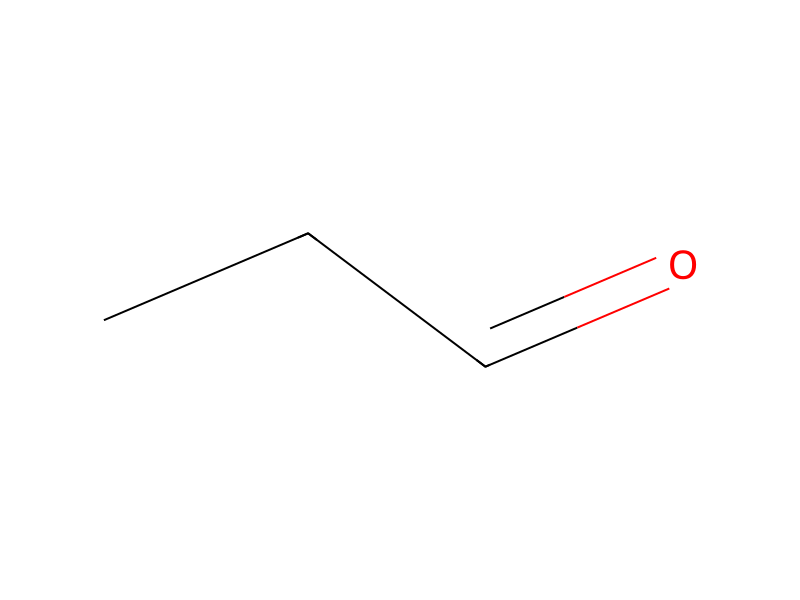
[C:1]1([CH3:22])[CH:6]=[C:5]([CH3:7])[CH:4]=[C:3]([CH3:8])[C:2]=1[NH:9][C:10]1[O:11][C:12]2[C:18]([N+:19]([O-])=O)=[CH:17][CH:16]=[CH:15][C:13]=2[N:14]=1.[CH3:23]O.[CH:25](=O)[CH2:26][CH3:27].[BH3-]C#N.[Na+].C(O[CH2:37][CH3:38])(=O)C>C(O)(=O)C>[C:1]1([CH3:22])[CH:6]=[C:5]([CH3:7])[CH:4]=[C:3]([CH3:8])[C:2]=1[NH:9][C:10]1[O:11][C:12]2[C:18]([N:19]([CH2:23][CH2:37][CH3:38])[CH2:25][CH2:26][CH3:27])=[CH:17][CH:16]=[CH:15][C:13]=2[N:14]=1To a flask was added 0.10 g (0.34 mmol) of N-mesityl-7-nitro-1,3-benzoxazol-2-amine and 40 ml of methanol. The flask was purged with nitrogen followed by the addition of 0.01 g of 10% palladium on carbon. The flask was evacuated and pressurized to 2-3 psig hydrogen and stirred for 1 h. After completion as determined by HPLC, the reaction was filtered through GF/F filter paper. The filtrate was transferred to round bottom flask and 0.1 ml (1.7 mmol) of propionaldehyde, 0.1 g (1.7 mmol) of NaBH3CN and 1 ml of acetic acid were added. The mixture was stirred overnight, then diluted with ethyl acetate and washed with water. The organic phase was dried over magnesium sulfate. Filtration, removal of solvent and purification of the residue via Biotage chromatography eluting with 5% methanol/dichloromethane gave 0.11 g (90% for 2 steps) of product.