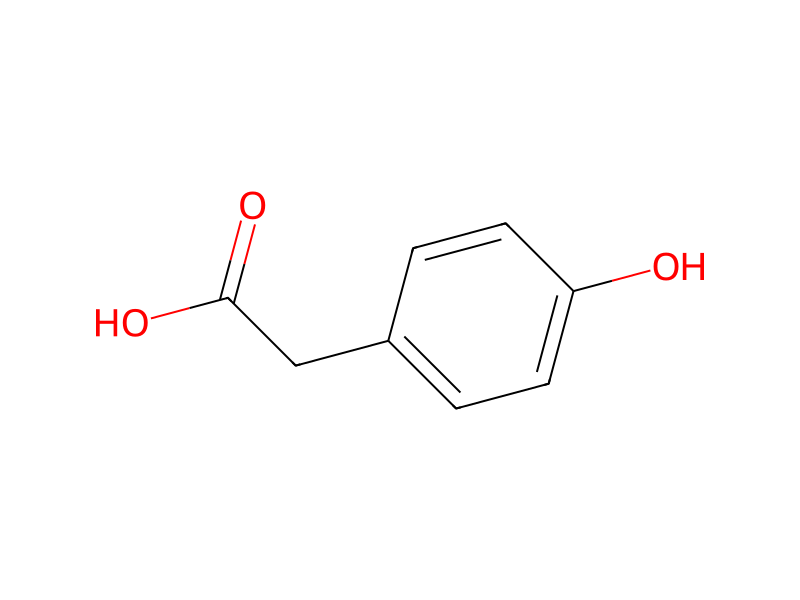
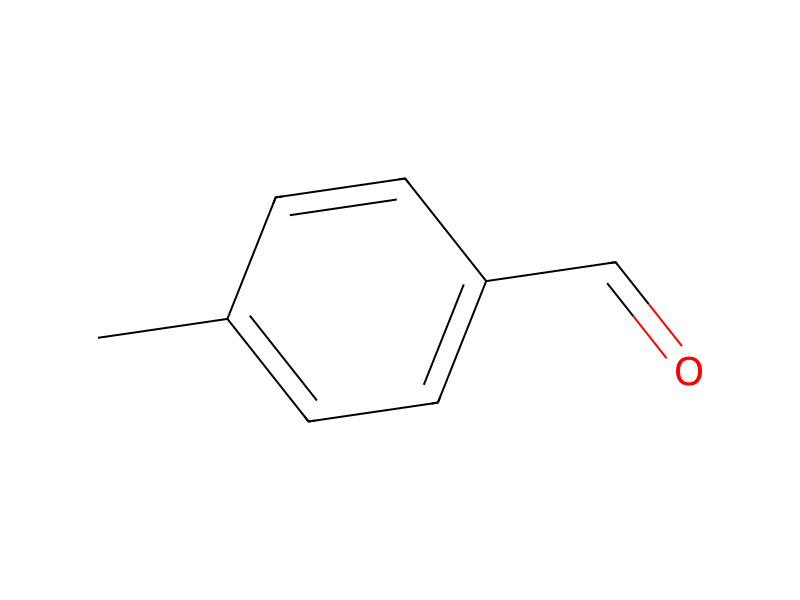
[OH:1][C:2]1[CH:7]=[CH:6][C:5]([CH2:8][C:9]([OH:11])=[O:10])=[CH:4][CH:3]=1.[CH3:12][C:13]1[CH:20]=[CH:19][C:16]([CH:17]=O)=[CH:15][CH:14]=1.C(=O)([O-])[O-].[K+].[K+].Cl.[C:28](OC(=O)C)(=[O:30])[CH3:29]>O.C(OCC)(=O)C>[C:28]([O:1][C:2]1[CH:3]=[CH:4][C:5]([C:8](=[CH:12][C:13]2[CH:20]=[CH:19][C:16]([CH3:17])=[CH:15][CH:14]=2)[C:9]([OH:11])=[O:10])=[CH:6][CH:7]=1)(=[O:30])[CH3:29]To a mixture of (4-hydroxyphenyl)-acetic acid (18.3 g, 120.3 mmol) and 4-methylbenzaldehyde (12.0 g, 100 mmol) in 250 mL acetic anhydride was added potassium carbonate (11.9 g, 121.2 mmol). The reaction mixture was stirred at 80° C. for 16 h before it was cooled to room temperature. To the mixture was added 100 mL H2O, 5% HCl in water to pH 1 and 200 mL ethyl acetate. The mixture was then heated to 80° C. until all ethyl acetate was evaporated. The precipitate was filtered and washed with water and hexane. The filter cake was recrystallized out of toluene, filtered, washed with hexane and dried under vacuum to yield a pale yellow powder (20.16 g, 68.1%). 1H NMR (400 MHz, DMSO-d6) δ 12.62 (br s, 1H), 7.74 (s, 1H), 7.19 (d, J=8.8 Hz, 2H), 7.13 (d, J=8.8 Hz, 2H), 7.01 (d, J=8.0 Hz, 2H), 6.94 (d, J=8.4 Hz, 2H), 2.29 (s, 3H), 2.23 (s, 3H).