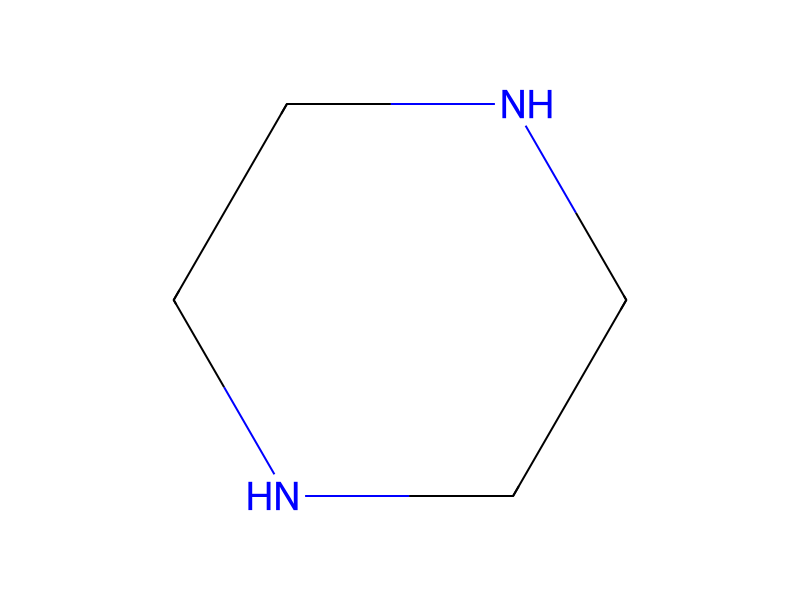
[OH-:1].[K+].[N:3]1([C:8]2[C:17]3[C:12](=[N:13][C:14](Cl)=[C:15]([Cl:18])[N:16]=3)[N:11]=[C:10](Cl)[N:9]=2)[CH2:7][CH2:6][CH2:5][CH2:4]1.[NH:21]1[CH2:26][CH2:25][NH:24][CH2:23][CH2:22]1>O.O1CCCC1>[Cl:18][C:15]1[N:16]=[C:17]2[C:12](=[N:13][C:14]=1[OH:1])[N:11]=[C:10]([N:21]1[CH2:26][CH2:25][NH:24][CH2:23][CH2:22]1)[N:9]=[C:8]2[N:3]1[CH2:7][CH2:6][CH2:5][CH2:4]1a)+b) 460 μl (0.82 mmol) of a 10% solution of potassium hydroxide in water is added dropwise to a solution of 250 mg (0.82 mmol) 4-pyrrolidin-1-yl-2,6,7-trichloro-pteridine in 15 ml of tetrahydrofuran cooled to −10° C. The mixture is stirred for one hour at −10° C., slowly allowed to come up to ambient temperature and stirred for approx. another 16 hours. Then a solution of 318 mg (3.69 mmol) piperazine in 10 ml of tetrahydrofuran is added and the mixture is refluxed for approx. 16 hours. Then the solvent is eliminated in vacuo, the residue is mixed with water and extracted with dichloromethane. The organic phase is dried on sodium sulphate and the solvent is eliminated in vacuo. The residue is purified by chromatography. Yield 50 mg (14% of theoretical)