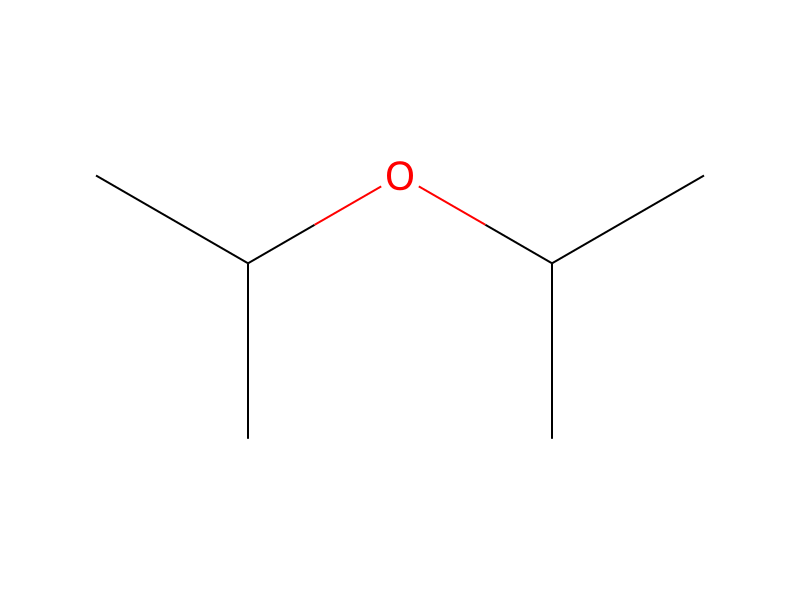
The procedure used in Example 216 is followed. In a 100 ml round-bottomed flask under an argon atmosphere, dissolve 830 mg of 4-(5,6-difluoro-1H-benzimidazol-2-yl)-9H-fluoren-9-one oxime (Z,E), obtained in the previous stage, in a mixture of 5.5 ml of ethanol and 5.5 ml of water and 5.5 ml of acetic acid, at room temperature, add 624 mg of zinc in three stages, and, between each addition, stir for approximately one hour to two hours. Add Celite and filter. The filtrate is concentrated under pressure. The crude product is purified by flash chromatography on silica gel (40-63 μm), eluting with a mixture of dichloromethane and ammonia as a 7N solution in methanol (98/2 by volume). After formation of a paste with diisopropyl ether, in this way we obtain 653 mg of 4-(5,6-difluoro-1H-benzimidazol-2-yl)-9H-fluorene-9(R,S)-amine, in the form of a white powder, which is used as it is in the following stage, with the following characteristics: