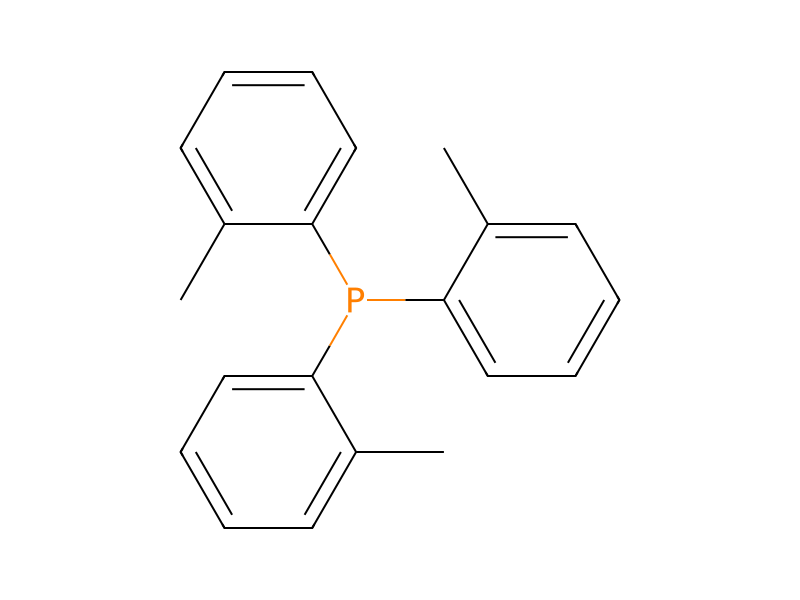
Br[C:2]1[CH:8]=[CH:7][C:5]([NH2:6])=[CH:4][C:3]=1[F:9].[C:10]([O:14][CH2:15][CH3:16])(=[O:13])[CH:11]=[CH2:12].CC1C=CC=CC=1P(C1C=CC=CC=1C)C1C=CC=CC=1C>CN(C=O)C.C(N(CC)C(C)C)(C)C.C([O-])(=O)C.[Pd+2].C([O-])(=O)C>[NH2:6][C:5]1[CH:7]=[CH:8][C:2]([CH:12]=[CH:11][C:10]([O:14][CH2:15][CH3:16])=[O:13])=[C:3]([F:9])[CH:4]=14-Bromo-3-fluoroaniline (5.0 g) was dissolved in a mixed solvent of DMF (18 ml) and N,N-diisopropylethylamine (18 ml). Ethyl acrylate (3.9 ml), palladium acetate (295 mg), and tris(2-methylphenyl) phosphine (3.2 g) were added to the obtained mixture in a nitrogen atmosphere, and the mixture was stirred at 110° C. for 5 hours. The reaction mixture was filtered through Celite and separated with ethyl acetate and water. The organic layer was washed with a saturated sodium chloride solution, and then dried over anhydrous sodium sulfate. The solvent was distilled off, and the residue was purified by neutral silica gel column chromatography (14-25% ethyl acetate/n-hexane). The purified material was crystallized with n-hexane to obtain Compound 2a (4.2 g, 76%) as a yellow solid.