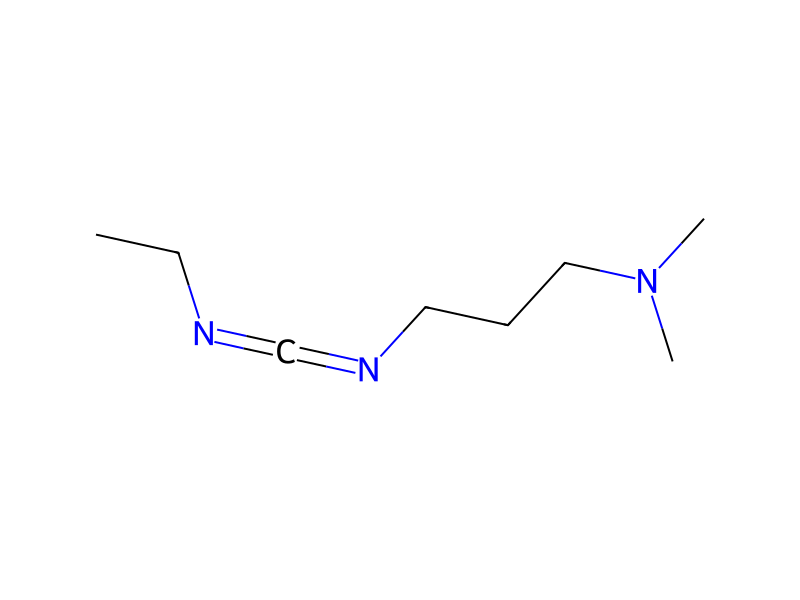
To a solution of 2-amino-4′-bromoacetophenone hydrochloride (8.2 g), 4-pentyloxybenzoic acid (6.8 g) and 1-hydroxybenzotriazole (4.42 g) in dichloromethane (80 ml) was added 1-ethyl-3-(3′-dimethylaminopropyl)carbodiimide (WSCD) (6.0 ml), and stirred for 3 hours at ambient temperature. The reaction mixture was diluted with dichloromethane (800 ml), and washed with 1N hydrochloric acid, saturated sodium hydrogen carbonate aqueous solution and brine. The organic layer was dried over magnesium sulfate. Magnesium sulfate was filtered off, and the filtrate was evaporated under reduced pressure. The solids were slurried in ethyl acetate, and collected by filtration to give 2-(4-pentyloxybenzamido)-4′-bromoacetophenone (2.49 g).