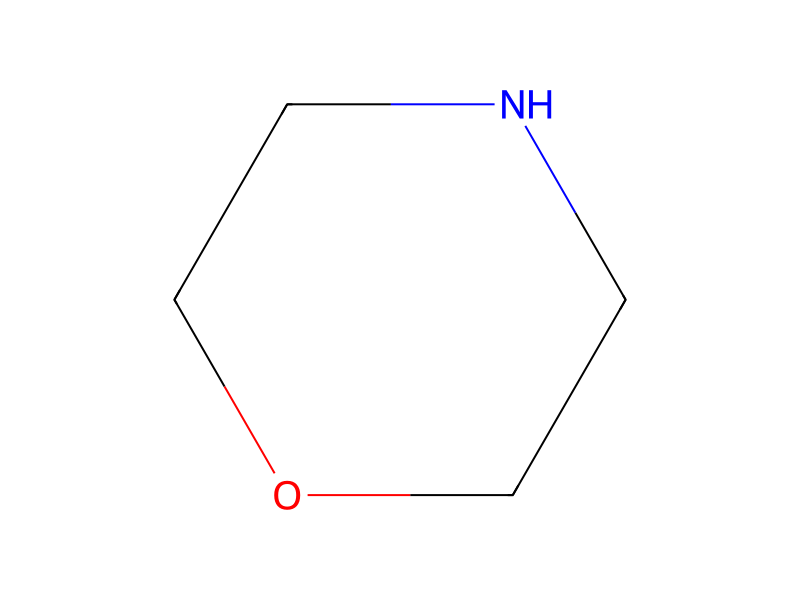
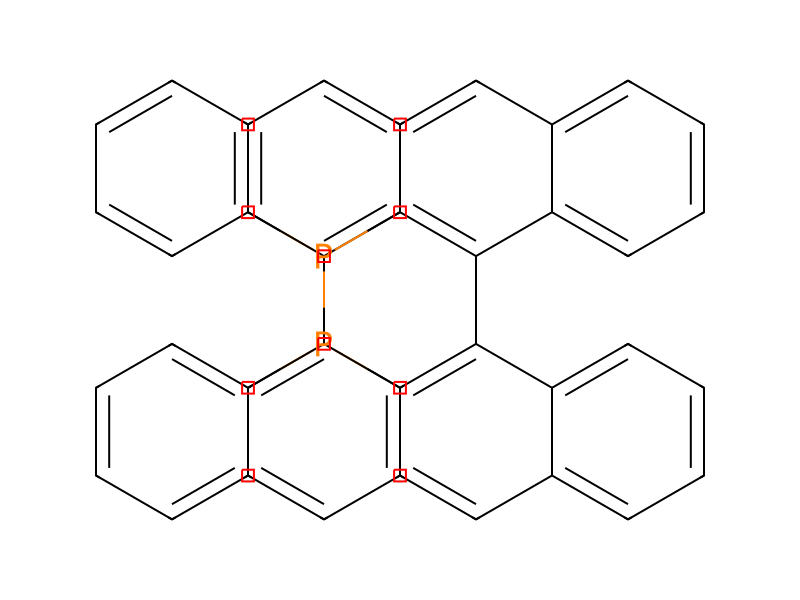
Br[C:2]1[CH:9]=[CH:8][C:5]([CH:6]=[O:7])=[C:4]([O:10][C:11]([F:14])([F:13])[F:12])[CH:3]=1.[NH:15]1[CH2:20][CH2:19][O:18][CH2:17][CH2:16]1.C(O[Na])(C)(C)C.C1C=CC(P(C2C(C3C(P(C4C=CC=CC=4)C4C=CC=CC=4)=CC=C4C=3C=CC=C4)=C3C(C=CC=C3)=CC=2)C2C=CC=CC=2)=CC=1>O.C1C=CC(/C=C/C(/C=C/C2C=CC=CC=2)=O)=CC=1.C1C=CC(/C=C/C(/C=C/C2C=CC=CC=2)=O)=CC=1.C1C=CC(/C=C/C(/C=C/C2C=CC=CC=2)=O)=CC=1.[Pd].[Pd].C1(C)C=CC=CC=1>[N:15]1([C:2]2[CH:9]=[CH:8][C:5]([CH:6]=[O:7])=[C:4]([O:10][C:11]([F:14])([F:13])[F:12])[CH:3]=2)[CH2:20][CH2:19][O:18][CH2:17][CH2:16]1A 500 mL round-bottom flask was purged with and maintained under an inert atmosphere of nitrogen then charged with 4-bromo-2-(trifluoromethoxy)benzaldehyde (8.00 g, 29.7 mmol, 1.00 equiv), morpholine (2.59 g, 29.7 mmol, 1.00 equiv), t-BuONa (4.28 g, 44.5 mmol, 1.50 equiv), Pd2(dba)3 (1.36 g, 1.49 mmol, 0.05 equiv), BINAP (1.85 g, 2.97 mmol, 0.10 equiv), toluene (150 mL). The resulting solution was stirred for 15 h at 75° C. in an oil bath. The reaction progress was monitored by LCMS. The resulting solution was diluted with 50 mL of water and extracted with ethyl acetate (3×30 mL). The organic layers were combined, dried over anhydrous sodium sulfate, filtered and concentrated under reduced pressure. The residue was chromatographed on a silica gel column with ethyl acetate/petroleum ether (1/4) to provide 0.800 g (10% yield) of 4-(morpholin-4-yl)-2-(trifluoromethoxy)benzaldehyde as a yellow solid. LCMS (ESI, m/z): 276 [M+H]+.