反応式

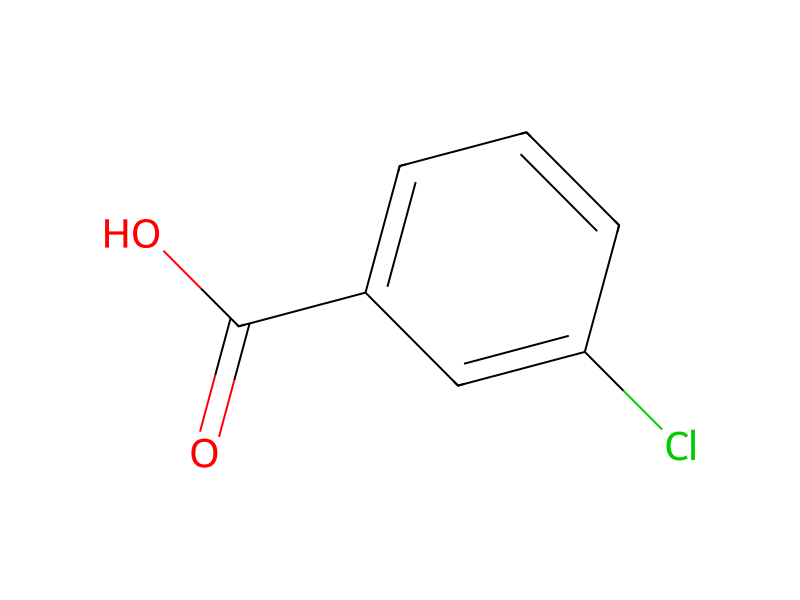
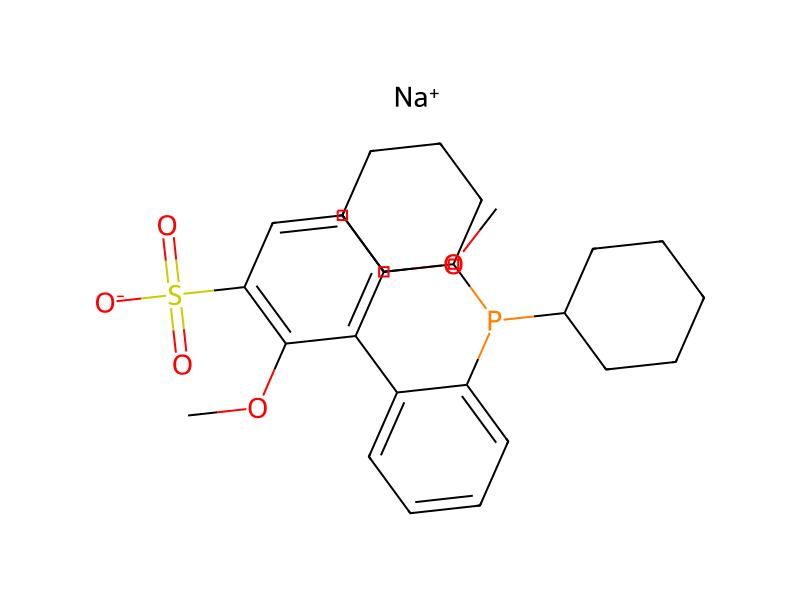
Cl[C:2]1[CH:3]=[C:4]([CH:8]=[CH:9][CH:10]=1)[C:5]([OH:7])=[O:6].[C:11]1(B(O)O)[CH:16]=[CH:15][CH:14]=[CH:13][CH:12]=1.C1(P(C2CCCCC2)C2C=CC=CC=2C2C(OC)=CC=C(S([O-])(=O)=O)C=2OC)CCCCC1.[Na+].C([O-])([O-])=O.[K+].[K+]>CC([O-])=O.CC([O-])=O.[Pd+2]>[C:2]1([C:11]2[CH:16]=[CH:15][CH:14]=[CH:13][CH:12]=2)[CH:10]=[CH:9][CH:8]=[C:4]([C:5]([OH:7])=[O:6])[CH:3]=1参加物
6




実験手順
The general procedure described in Example 3 was used with 3-chlorobenzoic acid (157 mg, 1.00 mmol), phenylboronic acid (145 mg, 1.20 mmol), Pd(OAc)2 (4.5 mg, 0.020 mmol, 2 mol %), sodium 2-dicyclohexylphosphino-2′,6′-dimethoxybiphenyl-3′-sulfonate (20.0 mg, 0.040 mmol, 4 mol %), K2CO3 (345 mg, 2.50 mmol), solvent (see FIG. 5) (2.0 mL), 14 h, temperature. The conversion and yield were determined using 1H NMR.
後処理
- customThe conversion and yield
出典と根拠
- ORDレコード
- ord-fa0ba15a14634939907da955358fc750
- 出典データセット
- uspto-grants-2009_07
- 特許番号
- US07560596B2
関連ノート
読み込み中…