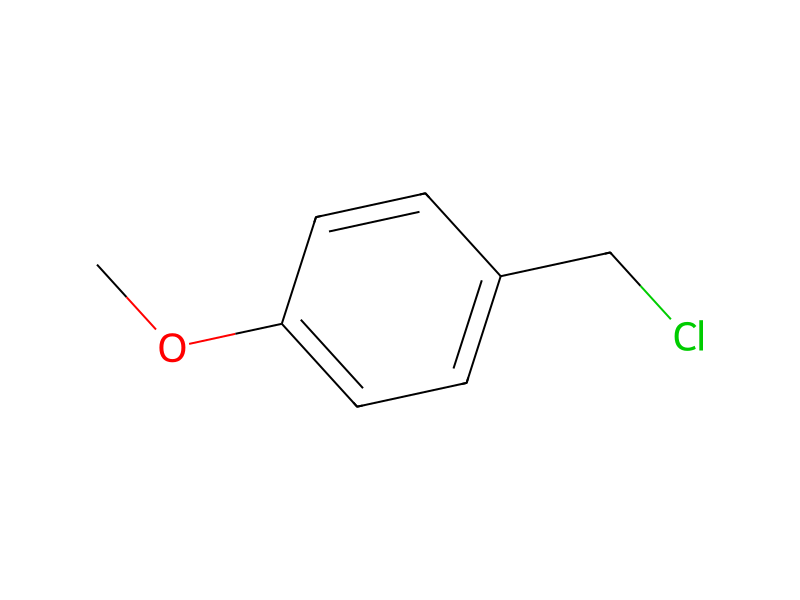
BrC1[C:10]2[C:5](=[CH:6][CH:7]=[CH:8][CH:9]=2)[N:4]([CH2:11][C:12]2[CH:17]=[CH:16][C:15]([O:18][CH3:19])=[CH:14][CH:13]=2)[C:3]=1[C:20]([O:22]CC)=[O:21].BrC1C2C(=CC=CC=2)NC=1C(OCC)=[O:36].[CH3:40][O:41][C:42]1[CH:49]=[CH:48][C:45]([CH2:46]Cl)=[CH:44][CH:43]=1.[H-].[Na+]>CN(P(N(C)C)(N(C)C)=O)C>[CH2:40]1[O:41][C:42]2[CH:49]=[CH:48][C:45]([C:46]3[C:10]4[C:5](=[CH:6][CH:7]=[CH:8][CH:9]=4)[N:4]([CH2:11][C:12]4[CH:17]=[CH:16][C:15]([O:18][CH3:19])=[CH:14][CH:13]=4)[C:3]=3[C:20]([OH:22])=[O:21])=[CH:44][C:43]=2[O:36]1Ethyl 3-bromo-1-(4-methoxybenzyl)indole-2-carboxylate. To a solution of ethyl 3-bromoindole-2-carboxylate (2.0 g, 7.46 mmol) and 4-methoxybenzyl chloride (7.46 mmol) in HMPA (5 mL) was added a slurry of NaH (240 mg of 80% oil dispersion, oil removed by pentane washing, 8.0 mmol) in HMPA (1 mL). After 30 min at room temperature the reaction mixture was partitioned between 3N HCl (100 mL) and EtOAc (150 mL). The organic extract was washed successively with H2O, aqueous NaHCO3, H2O, saturated aqueous NaCl and dried (Na2SO4). The solvent was removed in vacuo to afford the title compound (2.55 g, 88%) which was used in the next step without further purification.