反応式

C[O:2][C:3]1[C:16]2[C:7](=[CH:8][C:9]3[C:14]([CH:15]=2)=[CH:13][CH:12]=[CH:11][CH:10]=3)[C:6]([O:17]C)=[CH:5][CH:4]=1.C1C=CC2C(=O)C3C(=C(O)C=CC=3O)C(=O)C=2C=1.[BH4-].[Na+]>COCCOCCOC.CO>[C:3]1(=[O:2])[C:16]2[C:7](=[CH:8][C:9]3[C:14]([CH:15]=2)=[CH:13][CH:12]=[CH:11][CH:10]=3)[C:6](=[O:17])[CH:5]=[CH:4]1参加物
6





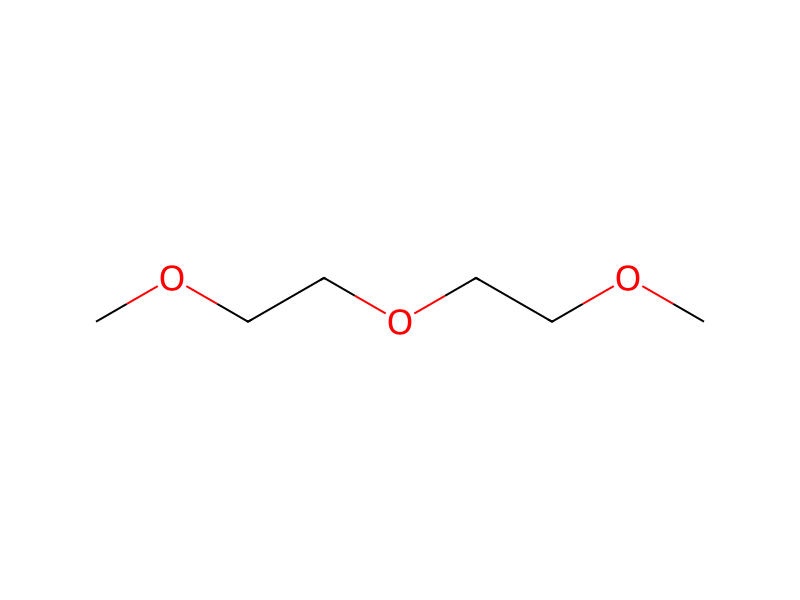
実験手順
Although the preparation of 1,4-dimethoxyanthracene (1) has been reported (Criswell, et al., J. Org. Chem. 1974, 39, 770-774) by using methylation of quinizarin (3) followed by sequential reduction of the diketo function with sodium borohydride in diglyme, the difficulty in the reduction steps prompted us to investigate an easier method in the preparation of 1. Reduction of 3 with sodium borohydride in MeOH followed by quenching with HCl gave a 95% yield of 1,4-anthraquinone (4) (Scheme 2). Reduction of the quinone moiety of 4 with aqueous sodium hydrosulfite in 1,4-dioxane provided 1,4-dihydroxyanthracene (5). Methylation of 5 with sodium hydride in DMF at room temperature gave excellent yield of 1.
後処理
- customin the preparation of 1
- customby quenching with HCl
出典と根拠
- ORDレコード
- ord-2846e1f06cac499386558423024d60af
- 出典データセット
- uspto-grants-2004_12
- 特許番号
- US06828450B2
関連ノート
読み込み中…