Sodium Formate → Benzenamine, 3,3'-(1,3-phenylenebis(oxy))bis-
HRID 2309138
反応式

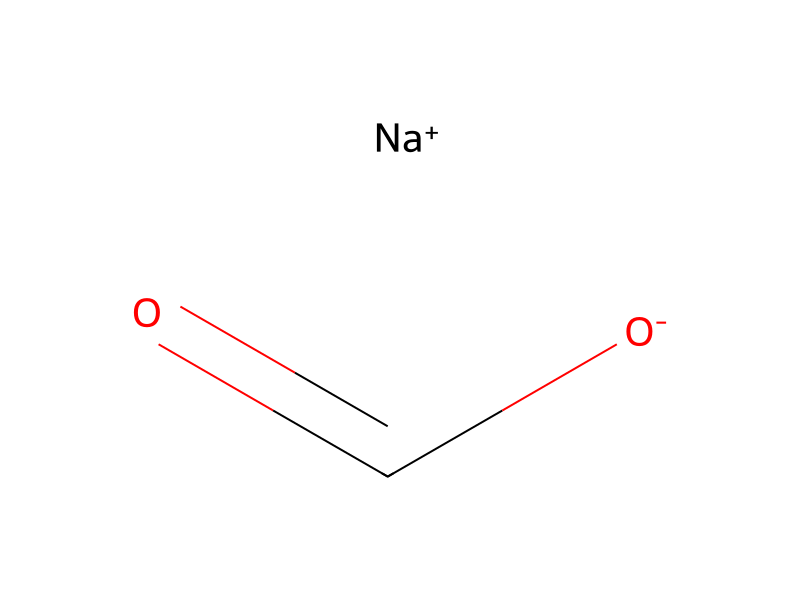
[NH2:1][C:2]1[CH:3]=[C:4]([CH:21]=[CH:22][CH:23]=1)[O:5][C:6]1[CH:11]=[C:10](Cl)[CH:9]=[C:8]([O:13][C:14]2[CH:19]=[CH:18][CH:17]=[C:16]([NH2:20])[CH:15]=2)[CH:7]=1.C([O-])=O.[Na+]>[Pd].C(O)(C)C>[NH2:20][C:16]1[CH:15]=[C:14]([CH:19]=[CH:18][CH:17]=1)[O:13][C:8]1[CH:9]=[CH:10][CH:11]=[C:6]([O:5][C:4]2[CH:21]=[CH:22][CH:23]=[C:2]([NH2:1])[CH:3]=2)[CH:7]=1参加物
5




実験手順
Into a glass vessel equipped with a thermometer, a reflux condenser and a stirrer were fed 1,3-bis(3-aminophenoxy)-5-chlorobenzene (8.2 g, 0.025 mol), 5% Pd-C (made by Japan Engelhardt Co.) (0.25 g), sodium formate (4.3 g, 0.063 mol) and 60% aqueous solution of isopropanol (50 ml), and reaction was carried out under reflux with stirring for 5 hours. After completion of the reaction, the catalyst was removed by filtering while hot, followed by cooling to deposit colorless, prismatic crystals, which were filtered and dried to obtain 1,3-bis(3-aminophenoxy)benzene (6.6 g, yield 90.3%). The purity according to high rate liquid chromatography was 99%. M.P.: 105°~107° C.