Propionyl chloride → Methyl 4-[[5-chloro-3-(2-chlorophenyl)-2,3-dihydro-2-oxo-3-propionamidoindol-1-yl]methyl]-3-methoxybenzoate
反応式

[C:1](Cl)(=[O:4])[CH2:2][CH3:3].[NH2:6][C:7]1([C:31]2[CH:36]=[CH:35][CH:34]=[CH:33][C:32]=2[Cl:37])[C:15]2[C:10](=[CH:11][CH:12]=[C:13]([Cl:16])[CH:14]=2)[N:9]([CH2:17][C:18]2[CH:27]=[CH:26][C:21]([C:22]([O:24][CH3:25])=[O:23])=[CH:20][C:19]=2[O:28][CH3:29])[C:8]1=[O:30]>N1C=CC=CC=1>[Cl:16][C:13]1[CH:14]=[C:15]2[C:10](=[CH:11][CH:12]=1)[N:9]([CH2:17][C:18]1[CH:27]=[CH:26][C:21]([C:22]([O:24][CH3:25])=[O:23])=[CH:20][C:19]=1[O:28][CH3:29])[C:8](=[O:30])[C:7]2([C:31]1[CH:36]=[CH:35][CH:34]=[CH:33][C:32]=1[Cl:37])[NH:6][C:1](=[O:4])[CH2:2][CH3:3]参加物
4
反応物 2
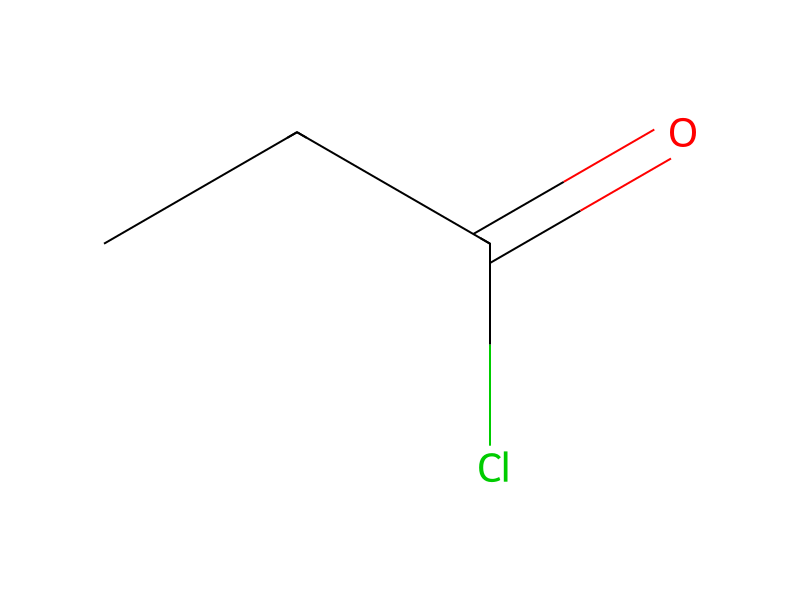

生成物 1

試薬・触媒・溶媒 1

実験手順
0.52 g of propionyl chloride is added at RT to a solution of 1.323 g of the compound obtained in EXAMPLE 89 in 5 ml of pyridine and the mixture is stirred for 24 hours. It is concentrated under vacuum, the residue is extracted with AcOEt, the organic phase is washed with water and with a saturated solution of NaCl and dried over sodium sulfate and the solvent is evaporated off under vacuum. The residue is chromatographed on silica using a DCM/AcOEt mixture (90/10; v/v) as the eluent to give 1.3 g of the expected product.