反応式

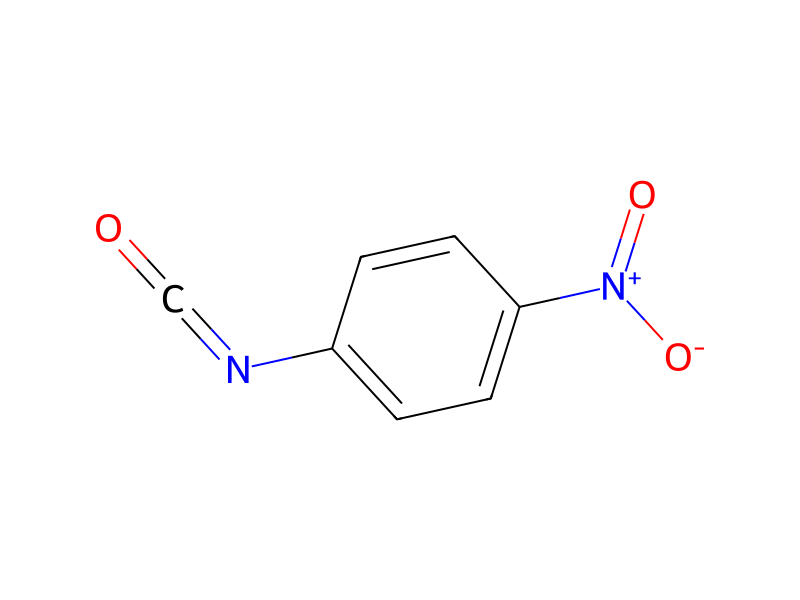
[NH2:1][C@H:2]([C:7]([OH:9])=[O:8])[CH2:3][C:4]([OH:6])=[O:5].[N+:10]([C:13]1[CH:18]=[CH:17][C:16]([N:19]=[C:20]=[O:21])=[CH:15][CH:14]=1)([O-:12])=[O:11]>O.[OH-].[Na+].C1C=CC=CC=1>[N+:10]([C:13]1[CH:14]=[CH:15][C:16]([NH:19][C:20]([NH:1][C@H:2]([C:7]([OH:9])=[O:8])[CH2:3][C:4]([OH:6])=[O:5])=[O:21])=[CH:17][CH:18]=1)([O-:12])=[O:11]参加物





実験手順
4.56 g (0.0568 mol) of L-aspartic acid are dissolved in water by addition of sodium hydroxide until a pH close to 10 is obtained. A solution of 10 g (0.0568 mol) of 4-nitrophenyl isocyanate in 50 cm3 of benzene is then added at room temperature. The solution is stirred vigorously for two hours whilst maintaining the pH at around 10 by successive addition of a concentrated sodium hydroxide solution. The weak precipitate formed is eliminated by filtration and the filtrate is washed with 3×50 cm3 of ethyl ether. The aqueous phase is then acidified and extracted with ethyl acetate, which makes it possible to obtain, after drying over anhydrous sodium sulfate and after concentration, 13.4 g (yield 76%) of a yellow solid of which the melting point is 118°-120° C.
後処理
- customa pH close to 10
- customis obtained
- temperaturewhilst maintaining the pH at around 10
- customThe weak precipitate formed
- filtrationis eliminated by filtration
- washthe filtrate is washed with 3×50 cm3 of ethyl ether
- extractionextracted with ethyl acetate, which
- customto obtain
- dry with materialafter drying over anhydrous sodium sulfate
出典と根拠
- ORDレコード
- ord-15ed483e85bb4b299aeeadfab2a9cee7
- 出典データセット
- uspto-grants-1987_02
- 特許番号
- US04645678
関連ノート
読み込み中…