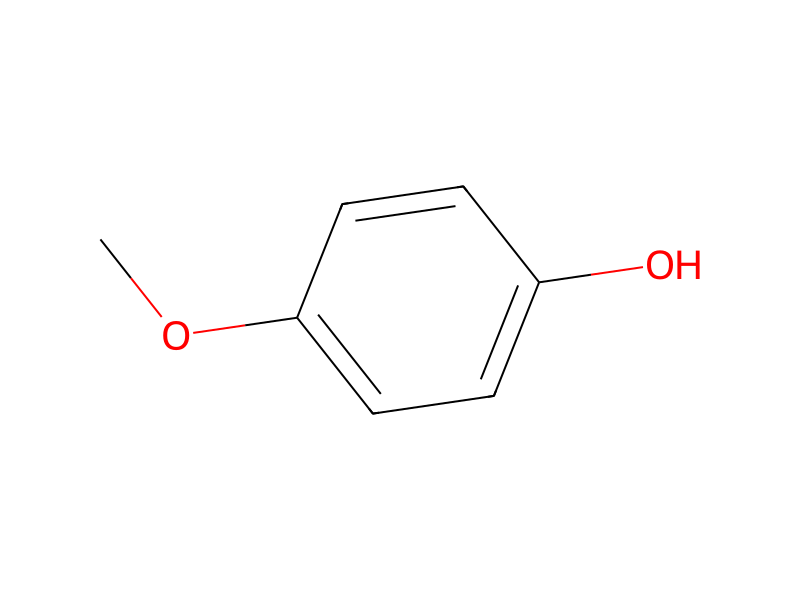
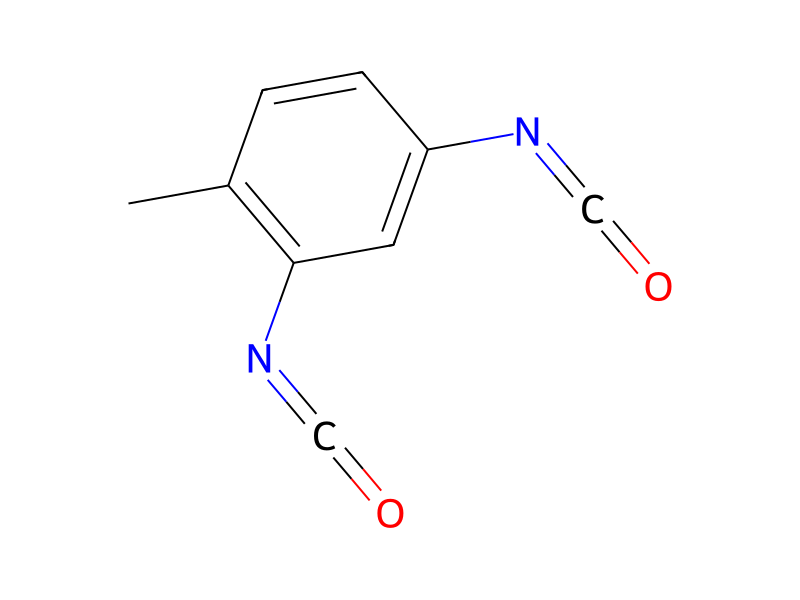
232 g (2 mol) of 2-hydroxyethyl acrylate (molecular weight 116) was placed in a flask equipped with a stirring blade, and with constant stirring, 174 g (1 mol) of TDI (2,4-tolylene diisocyanate) was added dropwise, with care taken over the generated heat, and the temperature was raised to 70° C. 1 g of dibutyl tin diacetate, 0.2 g of hydroquinone monomethyl ether and 1 g of 2,6-di-t-butyl-4-methylphenol were then added. Reaction was allowed to proceed at this temperature for 7 hours, and once the disappearance of NCO absorption had been confirmed via an infrared absorption spectrum, the reaction mixture was removed, yielding a urethane acrylate (A-Y) as the radical polymerizable oligomer (A). The number average molecular weight of the synthesized urethane acrylate (A-X) was 406.