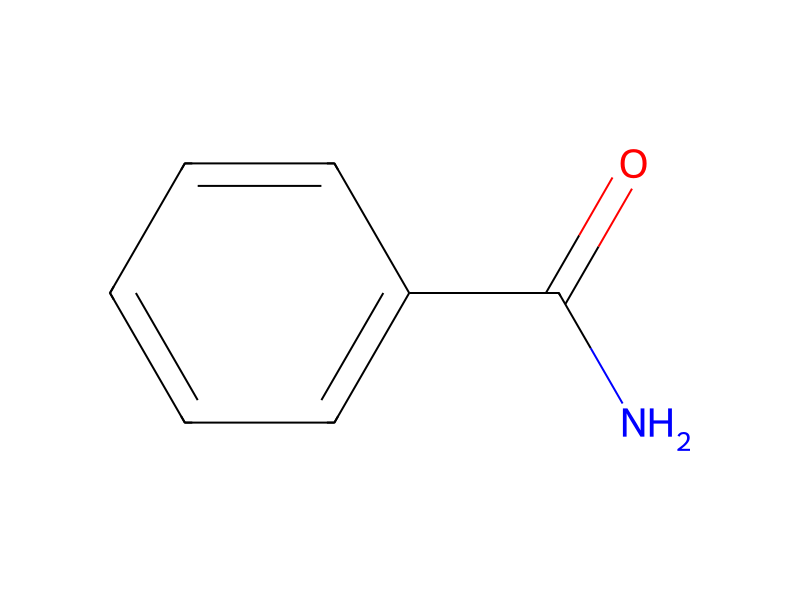
[C:1]1([S:7]([O-:9])=[O:8])[CH:6]=[CH:5][CH:4]=[CH:3][CH:2]=1.[Na+].[C:11]([NH2:19])(=[O:18])[C:12]1[CH:17]=[CH:16][CH:15]=[CH:14][CH:13]=1.[CH:20](=O)[C:21]1[CH:26]=[CH:25][CH:24]=[CH:23][CH:22]=1.CO>O.C(O)=O>[C:1]1([S:7]([CH:20]([NH:19][C:11](=[O:18])[C:12]2[CH:17]=[CH:16][CH:15]=[CH:14][CH:13]=2)[C:21]2[CH:26]=[CH:25][CH:24]=[CH:23][CH:22]=2)(=[O:9])=[O:8])[CH:6]=[CH:5][CH:4]=[CH:3][CH:2]=1A solution of 40.2 g of sodium phenylsulphinate in 200 cm3 of water is introduced into a 500 cm3 reactor equipped with a magnetic stirrer and a reflux condenser. A mixture of 12.35 g of benzamide and 21.22 g of benzaldehyde is then added. 60 cm3 of methanol are then added so as to obtain an off-white emulsion and then 7.54 cm3 of formic acid (d=1.22) are added. After stirring for 41 hours 30 minutes at a temperature in the region of 20° C., the mixture is heated for 3 hours at 65° C. After filtration through sintered glass No. 4, the product obtained is washed with twice 15 cm3 of isopropyl ether and then with twice 15 cm3 of water. After drying, there are obtained, with a yield of 15.6%, 5.48 g of N-(α-phenylsulphonyl-benzyl)benzamide.