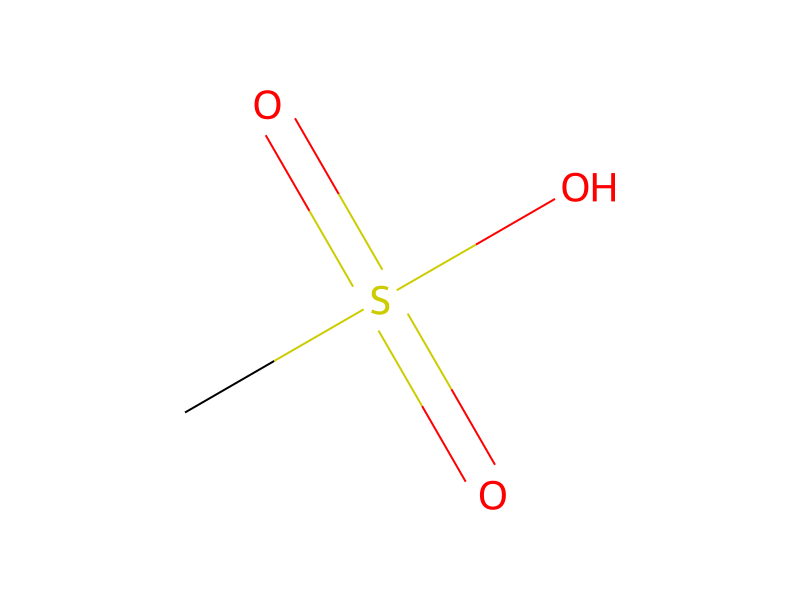
272A A mixture of (1H-benzimidazol-2-yl)phenylmethanol (611 mg) and 1-methyl-3-pyrrolidinol (263 mg) in methanesulfonic acid (1.3 mL) is heated for 4 hours in a sealed tube at a temperature close to 140° C. The mixture is cooled back to room temperature, poored into water which is then made alkaline with concentrated sodium hydroxyde solution. The aqueous phase is extracted with ethyl acetate. Pooled extracts are dried over magnesium sulfate, concentrated under reduced pressure. The residue is purified by column chromatography over silica gel (gradient dichloromethane/methanol from 100/0 to 90/10) to give 2-[(1-methylpyrrolidin-3-yloxy)phenyl-methyl]-1H-benzimidazole melting at 53° C.