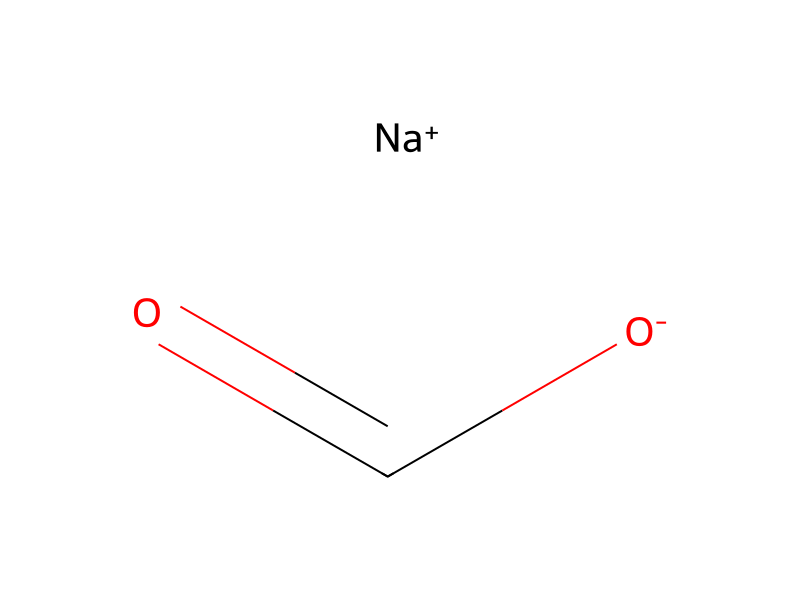
A mixture was prepared from 15 g of 2-chloro-6,7-dimethyl-3-quinolinecarboxaldehyde, 5.4 g of hydroxylamine hydrochloride, 8.5 g of sodium formate and 155 ml of 97% formic acid and this was heated at reflux for 3 hours. Initially, the mixture became a heavy yellow paste but a homogeneous brown solution formed later. However, by the end of the 3-hour reflux period, the mixture was again heterogeneous and it was cooled and poured into 300 ml of water. The solid which formed was separated by filtration and dried to give 3-cyano-6,7-dimethyl-2(1H)-quinolinone melting at about 300° C. The indicated product contained 1/4 molecule of water of hydration.