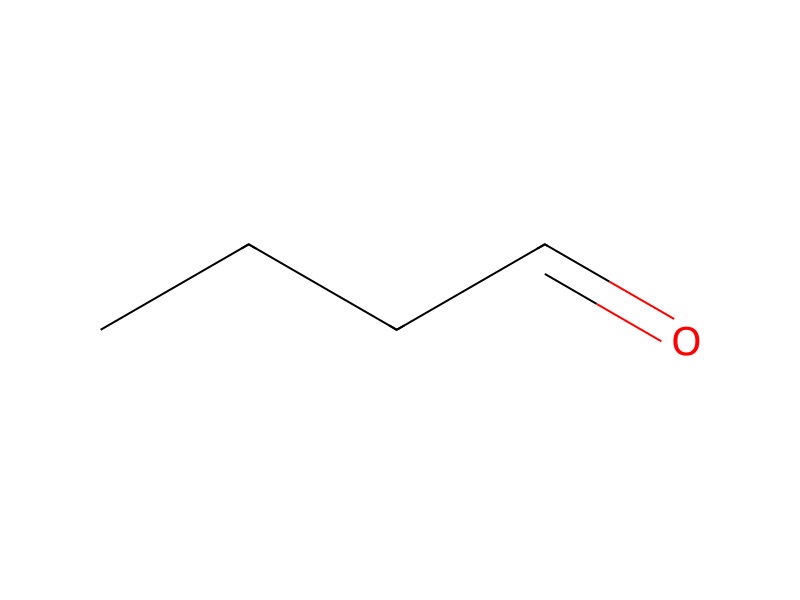
To a solution of 1-bromo-2-fluoro-4-(trifluoromethyl)benzene (0.30 mL, 2.1 mmol) in THF (6 mL) was added dropwise 1.5M butyllithium in THF (1.65 mL) at −78° C. The mixture was stirred at −78° C. for 15 minutes, to which was added a solution of butyraldehyde (0.18 mL, 2.5 mmol) in THF (2 ml) at −78° C. After stirring at −78° C. for 30 minutes, the mixture was treated with acetic acid (1 mL)/THF (2 mL), and then followed by water at room temperature. The organic layer was separated, and the aqueous layer was extracted with ether. The combined organic layers were washed with saturated brine. After drying over anhydrous sodium sulfate, the solvent was removed under reduced pressure to give 1-[2-fluoro-4-(trifluoromethyl)-phenyl]butanol. To a suspension of the product and powdered Molecular sieves 3A (750 mg) in dichloromethane was added pyridinium chlorochromate (887 mg, 4.12 mmol). The mixture was stirred for 16 hours at room temperature, to which was added ether (20 mL) and silica gel (Wakogel C-300HG, 2 g). The mixture was stirred for 10 minutes at room temperature, and filtered. The filtrate was concentrated to dryness, and the residue was purified by silica gel column chromatography (hexane/ethyl acetate=6/1), to give the titled compound as a white crystal (323 mg, yield 67%).