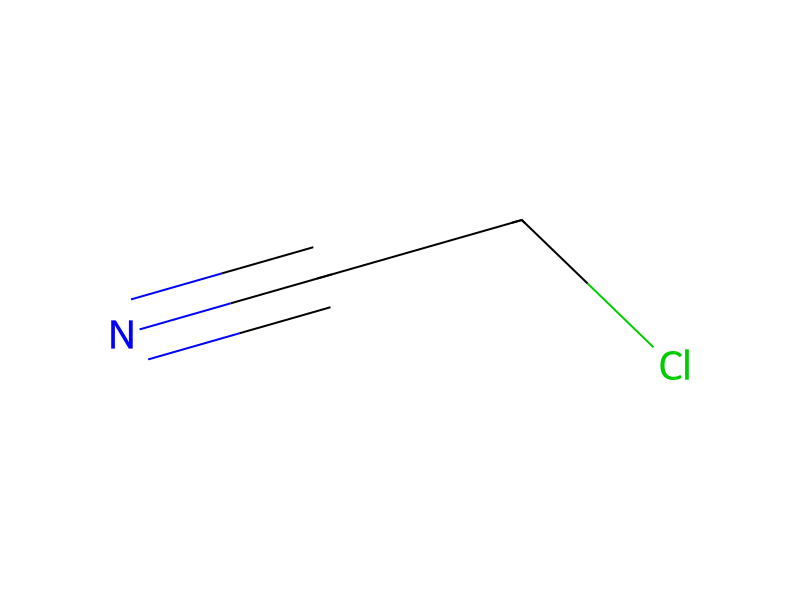
A solution of 40 g of 1-(o-fluorobenzyl)pyrrole and 17.2 g of chloroacetonitrile in 200 ml of anhydrous ether at a temperature between 0 and -5° C is saturated with hydrogen chloride gas and then the solution is stirred until a heavy white cake forms. This cake is broken up and permitted to sit for one hour at ambient temperature. The white solid is filtered, washed with ether and dried and then hydrolyzed in water and extracted with ether. Concentration of the ether extracts leaves white crystals, mp 76°-78° C, of 2-chloroacetyl-1-(o-fluorobenzyl)pyrrole. The analagous treatment of o-fluorophenethylpyrrole produces 2-chloroacetyl-1-(o-fluorophenethyl)pyrrole.