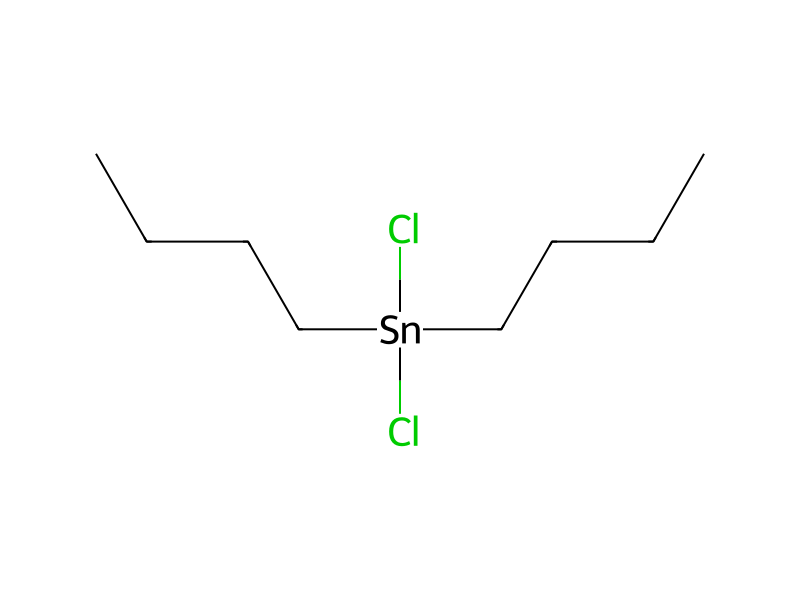
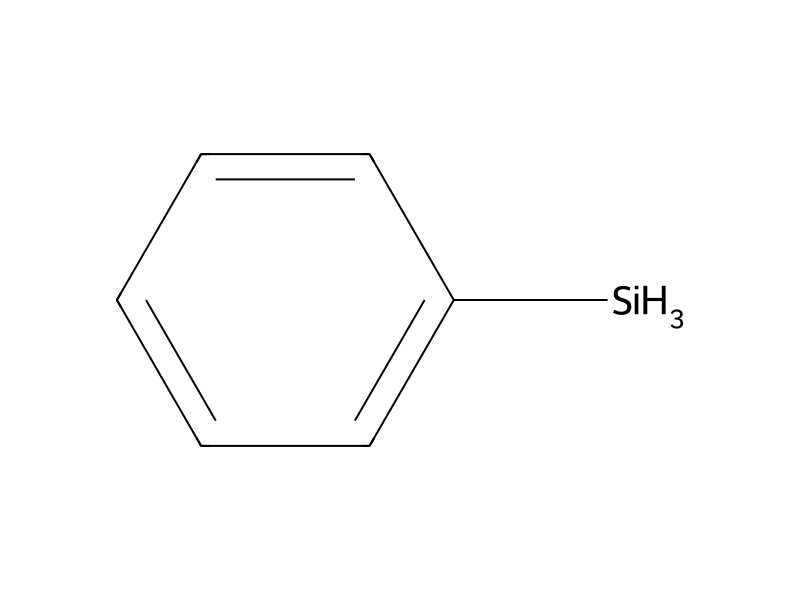
[CH3:1][O:2][C:3]([C:5]1[S:6][C:7]([C:11]#[C:12][C:13]([CH3:16])([CH3:15])[CH3:14])=[CH:8][C:9]=1[NH2:10])=[O:4].[N:17]1([CH:22]2[CH2:27][CH2:26][C:25](=O)[CH2:24][CH2:23]2)[CH:21]=[CH:20][N:19]=[N:18]1.C([Sn](Cl)(Cl)CCCC)CCC.C1([SiH3])C=CC=CC=1>C1COCC1>[CH3:1][O:2][C:3]([C:5]1[S:6][C:7]([C:11]#[C:12][C:13]([CH3:16])([CH3:15])[CH3:14])=[CH:8][C:9]=1[NH:10][CH:25]1[CH2:24][CH2:23][CH:22]([N:17]2[CH:21]=[CH:20][N:19]=[N:18]2)[CH2:27][CH2:26]1)=[O:4]To a solution of 3-amino-5-(3,3-dimethyl-but-1-ynyl)-thiophene-2-carboxylic acid methyl ester (example 9) (0.387 g, 1.6 mmol) and 4-[1,2,3]triazol-1-yl-cyclohexanone (0.27 g, 1.6 mmol) in dry THF is added dibutyltin dichloride (0.024 g, 0.080 mmol) followed by phenylsilane (0.276 ml, 2.2 mmol). The mixture is stirred overnight at room temperature. Solvent is evaporated under reduced pressure, and the residue is diluted with ethyl acetate. The organic layer is washed with water and brine, dried with sodium sulfate, filtered and concentrated under reduced pressure. The residue is purified by column chromatography on silica gel using gradient 50-100% ethyl acetate in hexane to afford 5-(3,3-dimethyl-but-1-ynyl)-3-(4-[1,2,3]triazol-1-yl-cyclohexylamino)-thiophene-2-carboxylic acid methyl ester.