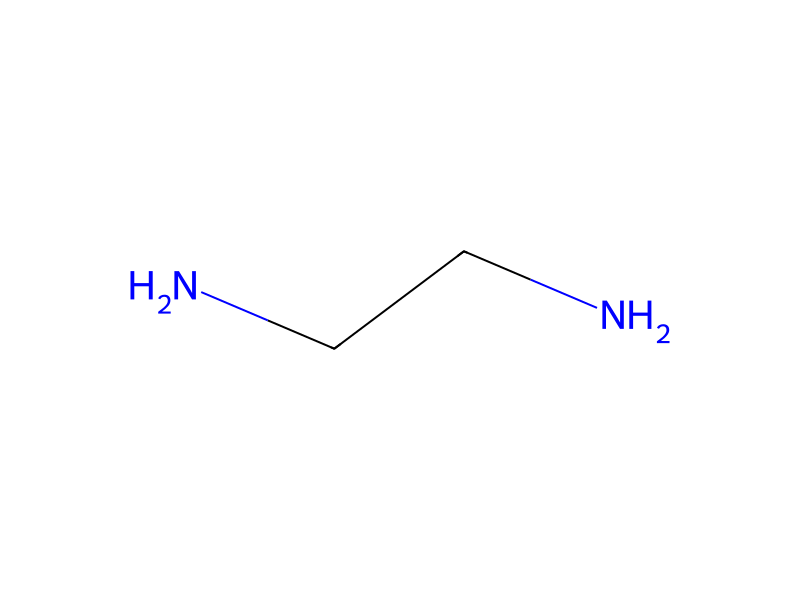
In a sealed 25 mL round-bottom flask, 2-(6-chloro-1-methyl-1H-indazol-3-yl)-5-(2-trimethylsilanyl-ethoxymethyl)-5H-pyrrolo[2,3-b]pyrazine-7-carboxylic acid ((R)-1-hydroxymethyl-propyl)-amide (34 mg, 0.064 mmol) and TFA (0.6 ml, 7.8 mmol) were combined with dichloromethane (2 ml) to give an orange solution. The reaction mixture was stirred at room temperature for 2.5 h. The reaction mixture was then concentrated under reduced pressure. The resultant crude solid was dissolved in dichloromethane (2 mL) and ethylenediamine (420 μl, 6.3 mmol) was added. The reaction mixture was stirred at room temperature for 18 h. The reaction mixture was concentrated and the residue was precipitated with water. The suspension was stirred for 1 h and the crude solid collected by filtration. The crude solid was purified by trituration (1:1 dichloromethane/heptane) to afford 8 mg (30%) of 2-(6-chloro-1-methyl-1H-indazol-3-yl)-5H-pyrrolo[2,3-b]pyrazine-7-carboxylic acid ((R)-1-hydroxymethyl-propyl)-amide as a yellow solid. MS: [M+H]+=399; 1H NMR (DMSO-d6) δ: 12.74 (br. s., 1H), 9.13 (s, 1H), 8.64 (d, J=8.7 Hz, 1H), 8.43 (s, 1H), 8.18 (d, J=9.1 Hz, 1H), 7.98 (d, J=1.1 Hz, 1H), 7.20-7.38 (m, 1H), 5.04 (t, J=5.1 Hz, 1H), 4.17 (s, 3H), 3.98-4.13 (m, 1H), 3.50-3.70 (m, 2H), 1.55-1.85 (m, 2H), 0.94 (t, J=7.4 Hz, 3H).