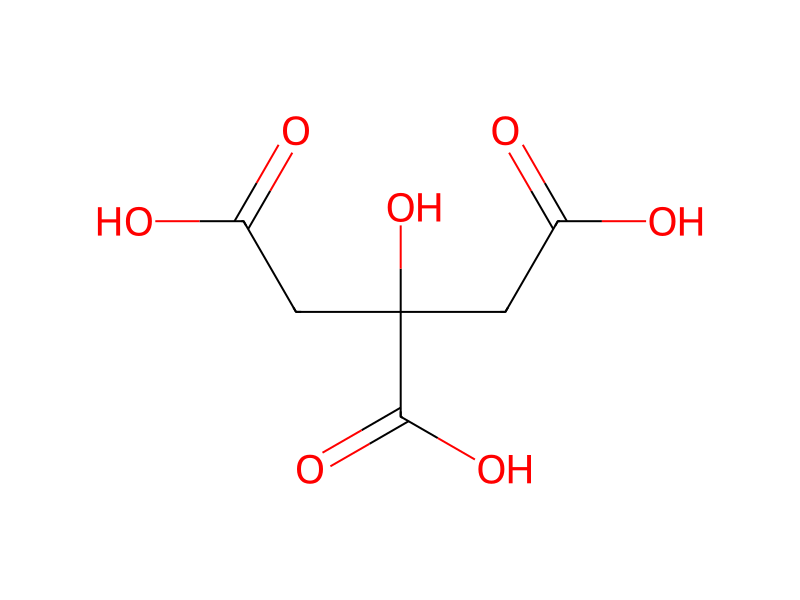
A sample of N-acetyl-3-acetoxyl-5p-chlorophenylpyrrole (16) (2.8 g; 0.01 mol) was deoxygenated for ten minutes with a stream of N2. The solids were then dissolved in deoxygenated methanol (30 mL) which was then chilled to -8° C. At once was added a cold deoxygenated solution of NaOH (1.6 g; 0.04 mol) in 20 mL H2O, which solution was then heated briefly to 15° C. and then immediately cooled to -5° C.; after 25 minutes the clear solution was treated with a cold deoxygenated solution of citric acid (4.2 g; 0.02 mol) in 15 mL H2O. The temperature rose briefly to 5° C. After 0.5 hr. stirring at -5° C., the solids were collected by filtration and washed with cold deoxygenated H2O. The pale green product was dried under vacuum at room temperature over P2O5 for several days (1.3 g; 68%); TLC Rf=0.19 (CHCl3 :EtOH, 9:1); IR (KCl) showed no evidence for C=O absorption.