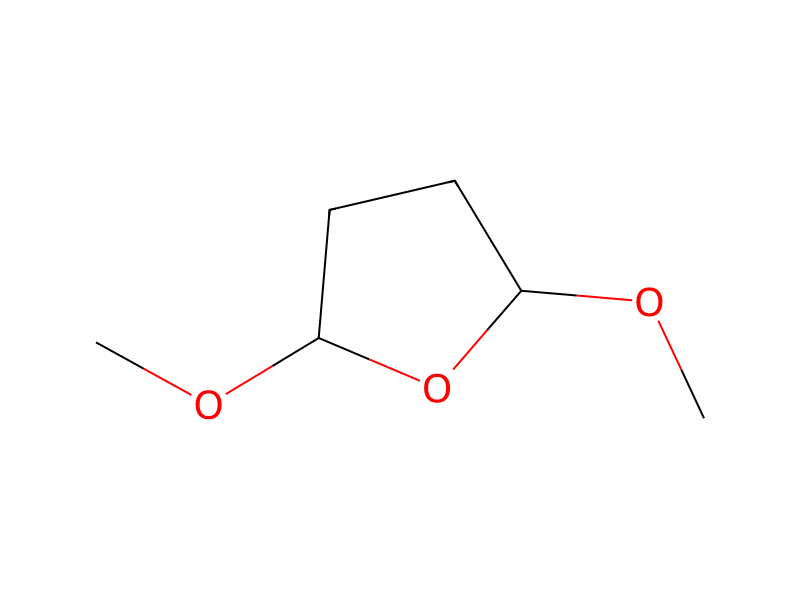
A solution of potassium acetate (5.0 g), acetic acid (22 mL) and 4-amino-2-butyl-5-cyanoimidazole (Example 7, 1.45 g) was heated to reflux and treated with 2,5-dimethoxy-tetrahydrofuran (1.25 mL). The reaction was held at reflux for 1 minute then cooled back to room temperature with an ice bath. The majority of the acetic acid was evaporated at reduced pressure then the residue was partitioned between ethyl acetate and 10% aqueous K2CO3 (120 mL) each. The organic layer was dried over MgSO4 and evaporated. The residue was purified by flash chromatography on silica gel, eluting with hexane-ethyl acetate (90:10 to 80:20). Evaporation of solvents gave a gum that was redissolved in dichloromethane and evaporated once again. The residual oil was held under a vacuum overnight to afford a waxy solid. 1H-NMR (CDCl3) δ 9.9 (br, 1H), 7.4 (s, 2H), 6.3 (s, 2H), 2.7 (t, 2H), 1.7 (m, 2H), 1.4 (m, 2H), 1.0 (t, 3H).