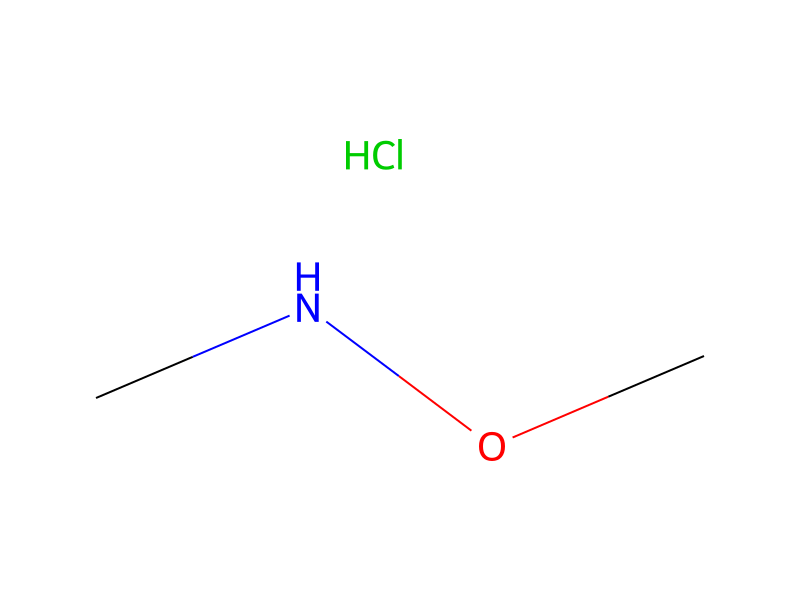
[F:1][C:2]1[CH:3]=[C:4]([CH:8]=[CH:9][C:10]=1[N+:11]([O-:13])=[O:12])[C:5](O)=[O:6].Cl.[CH3:15][NH:16][O:17][CH3:18].Cl.CN(C)CCCN=C=NCC.C(N(C1C=CC=CN=1)CC)C>ClCCl>[CH3:15][N:16]([O:17][CH3:18])[C:5](=[O:6])[C:4]1[CH:8]=[CH:9][C:10]([N+:11]([O-:13])=[O:12])=[C:2]([F:1])[CH:3]=1Dissolve 3-Fluoro-4-nitro-benzoic acid (10.7 g, 57.71 mmol) in 1000 mL anhydrous dichloromethane. Add N,O-Dimethylhydroxylamine hydrochloride (4.5 g, 46.17 mmol), followed by 1-(3 dimethylaminopropyl)-3-ethylcarbodiimide hydrochloride (16.60 g, 86.57 mmol) and 4 diethylaminopyridine (6.77 g, 55.4 mmol). Stir at room temperature under nitrogen atmosphere overnight. Concentrate under reduced pressure and partition the residue between ethyl acetate (300 mL) and water (100 mL). Wash the organic layer with saturated aqueous sodium chloride (4×30 mL) and dry over magnesium sulfate. Concentrate under reduced pressure to provide the desired compound (7.4 g, 56%).