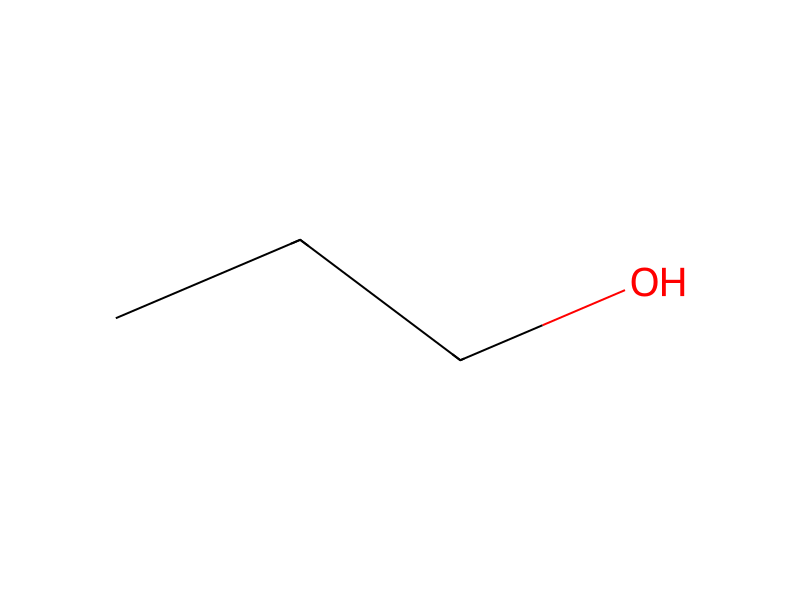
A 3 L round-bottom-flask equipped with a stirring bar, reflux condenser, and gas inlet was charged with 3-nitro-dibenzothiophene-5,5-dioxide (26 g, 0.1 mol), n-propanol (280 mL), water (840 mL), concentrated hydrochloric acid (325 mL), and tin powder, 20 mesh (65 g, 0.55 mol) then purged with nitrogen. The slurry was heated to a reflux overnight, which led to the consumption of the yellow crystals. The hot solution was filtered to remove the remaining tin powder then cooled to room temperature and chilled in an ice bath to crystallize the product. The yellow crystals were collected by vacuum filtration without washing with water then air dried. The crystals were added to a 10% solution of sodium hydroxide (200 mL) to liberate the free amine from the hydrochloride salt. The yellow powder was collected by vacuum filtration, washed well with water, then dried under vacuum to give 21.5 g of 3-amino-dibenzothiophene-5,5-dioxide (93% yield).